Foot massage is often seen as a simple way to relax after a long day, but its benefits go far beyond comfort. According to reflexology, the feet contain thousands of nerve endings connected to organs, glands, and systems throughout the body. By stimulating specific points on the feet, you can activate the body’s natural healing mechanisms, improve circulation, reduce pain, and restore balance.
Regular foot massage not only relieves physical tension but also calms the nervous system, improves sleep quality, and supports overall well-being. Below are eight essential foot massage points and how they can help relieve common health issues while promoting whole-body wellness.
1. Kidney Point (Center of the Arch)
Location
This point is located on the sole of the foot, right in the center of the arch.
Benefits
-
Supports kidney function and fluid balance
-
Helps reduce water retention and swelling
-
Promotes detoxification by assisting the body’s natural filtration processes
-
Encourages relaxation and stress relief
How to Massage
Use your thumb to apply gentle pressure to the center of the arch. Massage in slow, circular motions for 30 seconds to 1 minute on each foot. Gradually increase pressure if comfortable.
2. Headache Relief Point (Toe Tips)
Location
Found at the tips of the toes, especially the big toe and second toe.
Benefits
-
Helps relieve tension headaches and migraines
-
Reduces mental fatigue
-
Enhances focus and mental clarity
How to Massage
Gently press the tip of each toe using your thumb and forefinger. Massage the big toe in small circles for 15–30 seconds, especially during headaches.
3. Neck and Spine Point (Inner Arch)
Location
Along the inner edge of the foot’s arch, halfway between the heel and the ball of the foot.
Benefits
-
Relieves neck stiffness and spinal tension
-
Helps reduce back pain
-
Supports better posture by relaxing spinal muscles
How to Massage
Press firmly using your thumb, moving slowly along the inner arch in circular motions. Massage for 30–60 seconds, focusing on tight or sensitive areas.
4. Digestive System Point (Center of the Heel)
Location
Located at the center of the heel on the sole of the foot.
Benefits
-
Helps relieve bloating, constipation, and indigestion
-
Stimulates intestinal movement
-
Supports overall digestive health
How to Massage
Apply steady pressure with your thumb and massage in slow circles for 1–2 minutes on each foot. This point is especially helpful after meals.
5. Lungs and Chest Point (Ball of the Foot)
Location
Situated on the ball of the foot, just beneath the toes.
Benefits
-
Supports lung function and breathing
-
Helps relieve chest congestion
-
May benefit those with asthma or shallow breathing
How to Massage
Press your thumb into the ball of the foot and massage in circular motions for 30–60 seconds on each foot, breathing deeply while doing so.
6. Lower Back Point (Lower Arch)
Location
Found on the arch of the foot, directly beneath the ball of the foot.
Benefits
-
Relieves lower back pain and stiffness
-
Helps reduce sciatica discomfort
-
Improves flexibility and mobility
How to Massage
Apply firm pressure with your thumb and massage in small circles for 1–2 minutes. Adjust pressure based on comfort.
7. Hormone Balancing Point (Center of the Sole)
Location
Located in the middle of the sole, slightly below the arch.
Benefits
-
Supports the endocrine system
-
Helps regulate hormone balance
-
May ease PMS symptoms, menstrual cramps, and menopausal discomfort
How to Massage
Massage this point using moderate pressure and circular movements for about 1 minute on each foot.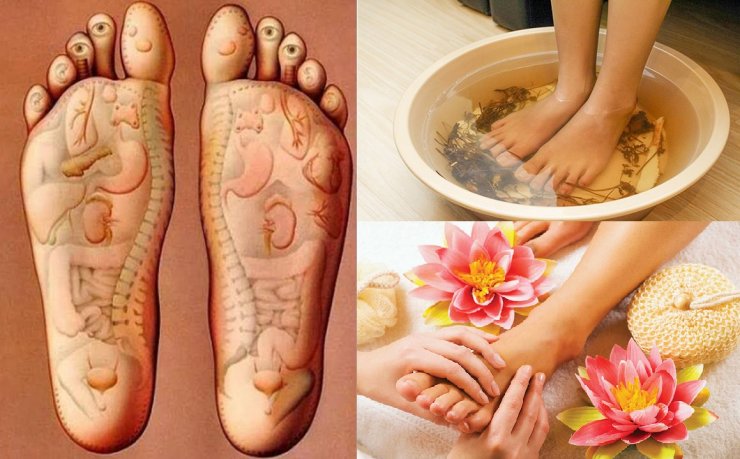
8. Stress Relief Point (Top of the Foot)
Location
On the top of the foot, near the area where the toes meet the foot.
Benefits
-
Calms the nervous system
-
Reduces anxiety and emotional tension
-
Promotes relaxation and mental clarity
How to Massage
Use your thumbs to gently massage the top of the foot in circular motions for 1–2 minutes. This technique is ideal before bedtime.
Conclusion
Foot massage is a powerful yet simple form of self-care that supports both physical and mental health. By stimulating key reflexology points, you can relieve pain, improve circulation, reduce stress, and encourage your body’s natural healing processes.
Incorporating foot massage into your daily or weekly routine can lead to noticeable improvements in comfort, energy levels, and emotional balance. Whether you are seeking relief from tension, digestive discomfort, or stress, these foot massage points offer a gentle, accessible way to care for your body.
Tip: Always apply pressure gradually and listen to your body. If you experience persistent pain or discomfort, consult a healthcare professional or trained reflexologist.
A few minutes of mindful foot massage can make a meaningful difference - one step at a time.