People with Colorectal Can.cer Often Share 4 Habits — Hopefully You Don’t Have Any of Them
Many people believe colorectal cancer strikes suddenly, but in reality, everyday lifestyle habits are often the silent drivers that gradually raise the risk.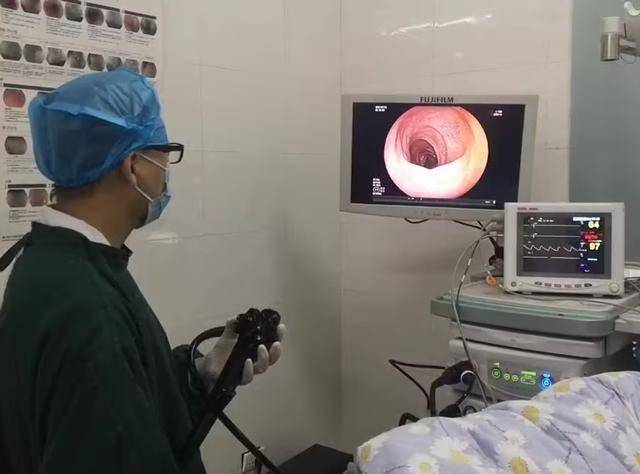
In their 60s and beyond, many people still maintain relatively stable health and regular routines. However, in daily life, more and more people begin hearing about cases of colorectal cancer being diagnosed in acquaintances, former colleagues, or neighbors, which gradually fuels anxiety. Notably, some of these cases had almost no obvious warning signs beforehand.
This raises an important question: Why is colorectal cancer becoming increasingly common, even among people once considered to have healthy lifestyles? Experts believe the cause is not a single factor, but the long-term accumulation of multiple unfavorable habits.
Colorectal Cancer Is No Longer a “Distant” Risk

According to Health, colorectal cancer is now among the most common cancers worldwide, with a rising and increasingly younger trend. Alarmingly, many people only seek medical care after symptoms appear, such as persistent digestive disturbances, alternating constipation and diarrhea, abdominal pain, or blood in the stool. At that stage, the disease has often progressed, reducing the chances of effective treatment.
International studies indicate that modern lifestyles—characterized by high-fat diets, physical inactivity, and prolonged stress—are becoming major risk factors for intestinal health.
Four Habits That Increase the Risk of Colorectal Cancer
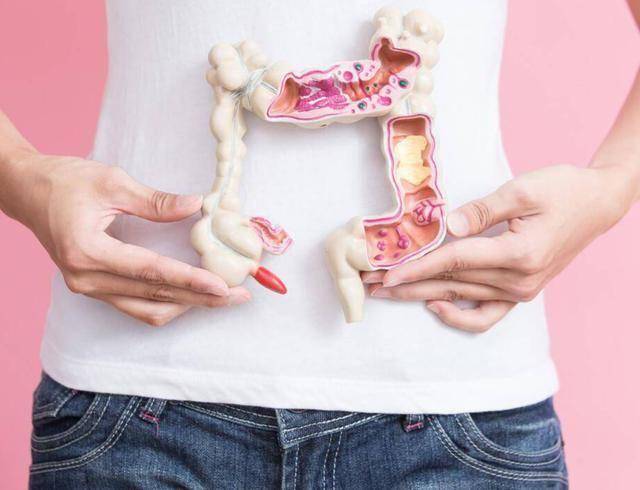
1. An Unbalanced Diet
According to Sohu, frequent consumption of high-fat foods, excessive protein from red meat and processed meats, combined with insufficient fiber intake, is one of the leading risk factors. Fiber from vegetables, fruits, and whole grains helps stimulate bowel movements and eliminate harmful substances. When these foods are lacking, toxins may remain in the intestines longer, increasing the risk of damage to the intestinal lining.
In addition, pickled, smoked, processed foods, or those rich in strong spices may contain compounds that are harmful to the gut if consumed regularly over long periods.
2. Physical Inactivity and Irregular Daily Routines
A sedentary lifestyle slows intestinal motility, prolonging the time waste stays in the colon. This allows potentially harmful substances to remain in contact with the intestinal wall for longer periods.
Frequent late nights, excessive overtime work, and disrupted circadian rhythms can also impair immune function and the digestive system’s protective mechanisms. Smoking and excessive alcohol consumption are likewise recognized as factors that damage the intestinal lining.
3. Chronic Psychological Stress
Work pressure, anxiety, and long-term stress not only affect mental health but also impact the immune and endocrine systems. Under prolonged stress, the body may develop digestive dysfunction, increased chronic inflammation, and reduced cellular repair capacity.
Many experts believe that chronic stress can indirectly contribute to the development and progression of chronic diseases, including colorectal cancer.
4. Chronic Constipation and Disrupted Bowel Habits
Long-term constipation causes stool to remain in the colon for extended periods, leading to continuous mechanical irritation of the intestinal lining. This not only causes inflammation but also increases the accumulation of harmful metabolic byproducts in the gut.
Symptoms such as persistent difficulty passing stools, a sensation of incomplete evacuation, changes in bowel habits, or the presence of blood in the stool should be monitored closely and evaluated medically as early as possible.
How to Protect Gut Health
Preventing colorectal cancer should begin with daily lifestyle adjustments:
-
Maintain a balanced diet, increase intake of vegetables, fruits, and whole grains, and limit red meat and processed foods.
-
Exercise regularly and ensure sufficient weekly physical activity to stimulate bowel movements.
-
Keep a stable daily routine, avoid staying up late, and limit alcohol and tobacco use.
-
Actively manage stress through relaxing activities such as walking, meditation, or social interaction.
In addition, seek medical attention promptly when digestive abnormalities occur. Middle-aged and older adults, or those with risk factors, should undergo regular screening based on medical advice.
Colorectal cancer does not develop overnight. Recognizing risky habits early and making timely changes is the most effective way to protect intestinal health and maintain long-term quality of life.