Vitamin B12 is an important nutrient that keeps your nervous system and blood cells healthy. Many people don’t realize they are low in B12 — experts estimate 2% to 20% of people may be deficient.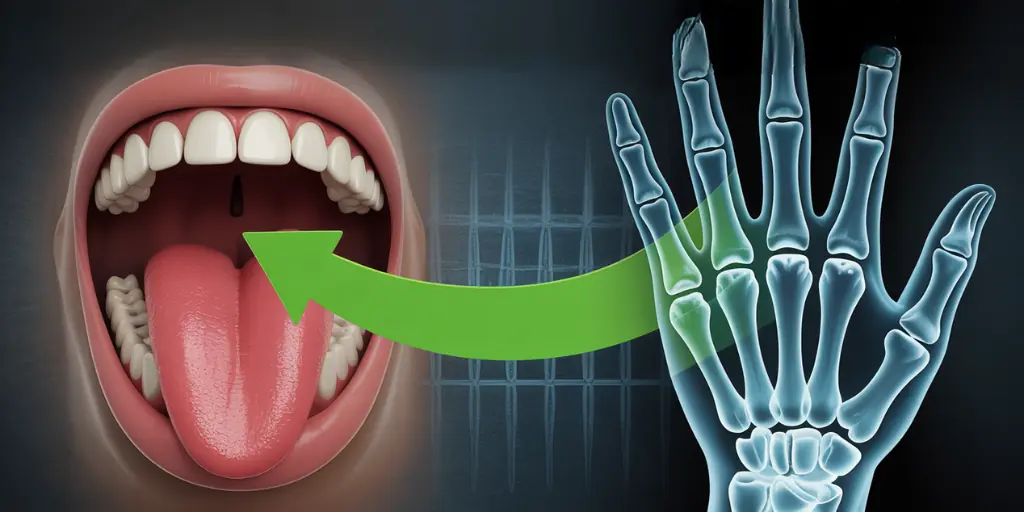
Let’s look at the symptoms, who is at risk, and how to protect your health.
Why Vitamin B12 Is Important
Vitamin B12 helps the body to:
✅ Protect nerves and brain function
✅ Produce healthy red blood cells
✅ Support DNA and cell growth
✅ Prevent anemia and fatigue
Without enough B12, the body and brain cannot work properly.
Common Symptoms of Vitamin B12 Deficiency
1. Nervous System Symptoms
-
Tingling or numbness in hands and feet
-
Weakness or poor balance
-
Memory problems or confusion
-
Feeling dizzy or depressed
2. Blood-Related Symptoms
-
Extreme tiredness
-
Pale skin
-
Shortness of breath
-
Yellowish skin or eyes (in severe cases)
3. Mouth & Digestion Problems
-
Red, swollen tongue
-
Loss of appetite
-
Weight loss
-
Diarrhea or constipation
4. Eye Symptoms
-
Blurry vision
-
Trouble seeing in low light
-
Vision loss (if untreated)
Who Is Most at Risk?
You may need to pay extra attention to your B12 levels if you are:
-
Vegetarian or vegan
-
Over the age of 50
-
Have digestive problems (Crohn’s, celiac)
-
Have had stomach surgery
-
Taking acid-reducing medication
How to Increase Vitamin B12

You can raise your levels by:
✅ Eating B12-rich foods
-
Meat
-
Fish
-
Eggs
-
Milk and cheese
✅ Eating fortified foods
-
Plant-based milk
-
Breakfast cereals
-
Nutritional yeast
✅ Taking supplements
Two common types:
-
Cyanocobalamin – standard and affordable
-
Methylcobalamin – easily absorbed by some people
In serious cases, doctors may recommend B12 injections.
Final Thoughts

Vitamin B12 deficiency is common but easy to fix once you know the signs. If you often feel tired, weak, or forgetful, it’s worth getting your levels checked.
👉 A simple blood test can protect your brain, nerves, and overall health.
Always talk to a doctor before starting supplements.