Why Do Women Cross Their Legs When Sitting?
Crossing one’s legs while sitting is a posture seen all over the world. It appears in offices, classrooms, cafés, and public transport, and it is especially common among women. While many people assume it is simply a habit or a matter of style, the truth is more nuanced. Women cross their legs for a combination of physical, psychological, cultural, and social reasons, not just one single cause.
Understanding these reasons helps break stereotypes and highlights how everyday body language is shaped by multiple influences.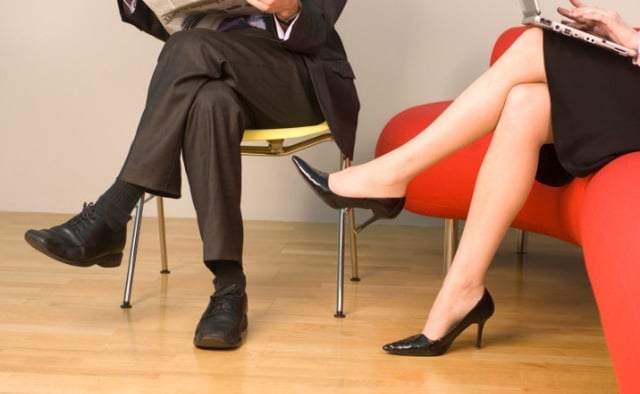
Comfort and Body Mechanics
One of the most basic reasons women cross their legs is physical comfort. Human bodies naturally seek positions that feel balanced and relaxed. For many women, crossing the legs:
-
Reduces pressure on the lower back
-
Creates a feeling of stability when sitting
-
Helps relax the hip and thigh muscles
Because women generally have a wider pelvis and different hip alignment compared to men, some seating positions feel more comfortable when the legs are crossed. This is especially true in chairs that are not ergonomically designed.
Habit Formed Over Time
For many women, leg-crossing is simply habitual behavior learned unconsciously over years. Once a posture feels natural, the body repeats it without conscious thought.
Habits often form early:
-
In school settings
-
At home
-
By observing others
Over time, the posture becomes automatic, much like folding arms or leaning to one side.
Cultural and Social Conditioning
In many cultures, women are taught — directly or indirectly — to sit in a way that appears “polite,” “neat,” or “ladylike.” Crossing the legs has historically been associated with:
-
Modesty
-
Proper posture
-
Social expectations of femininity
These messages may come from family, school rules, media, or social norms. Even when women no longer consciously believe in these expectations, the behavior often remains.
Personal Space and Body Language
Crossing the legs can also be a form of nonverbal communication. Body language experts note that this posture may signal:
-
A desire for personal space
-
Emotional comfort or self-protection
-
Relaxation in a familiar environment
In crowded or unfamiliar settings, crossing the legs can subconsciously help a person feel more contained and secure.
Clothing and Practical Reasons
Clothing plays a significant role. Skirts, dresses, and certain types of fitted clothing often make crossing the legs feel more practical or secure when sitting.
In these cases, leg-crossing is not about habit or psychology — it is simply a way to sit comfortably and confidently without constantly adjusting clothing.

Focus and Concentration
Some studies and behavioral observations suggest that certain seated postures, including leg-crossing, may help people feel more focused or mentally settled.
When the body feels stable, the mind often follows. This may explain why many people naturally cross their legs while:
-
Working
-
Reading
-
Listening
-
Thinking
It becomes a posture associated with attention and calm.