Warning Symptoms of Heart Blockage in the Legs and Feet That Often Appear at Night
Many people believe heart and blood vessel problems only affect the chest. In reality, blocked or narrowed arteries often show their earliest warning signs in the legs and feet, especially at night. These symptoms are frequently ignored or mistaken for fatigue, aging, or muscle pain — a mistake that can have serious consequences.
Doctors warn that nighttime symptoms in the lower limbs may indicate peripheral artery disease (PAD), a condition closely linked to heart attacks and strokes.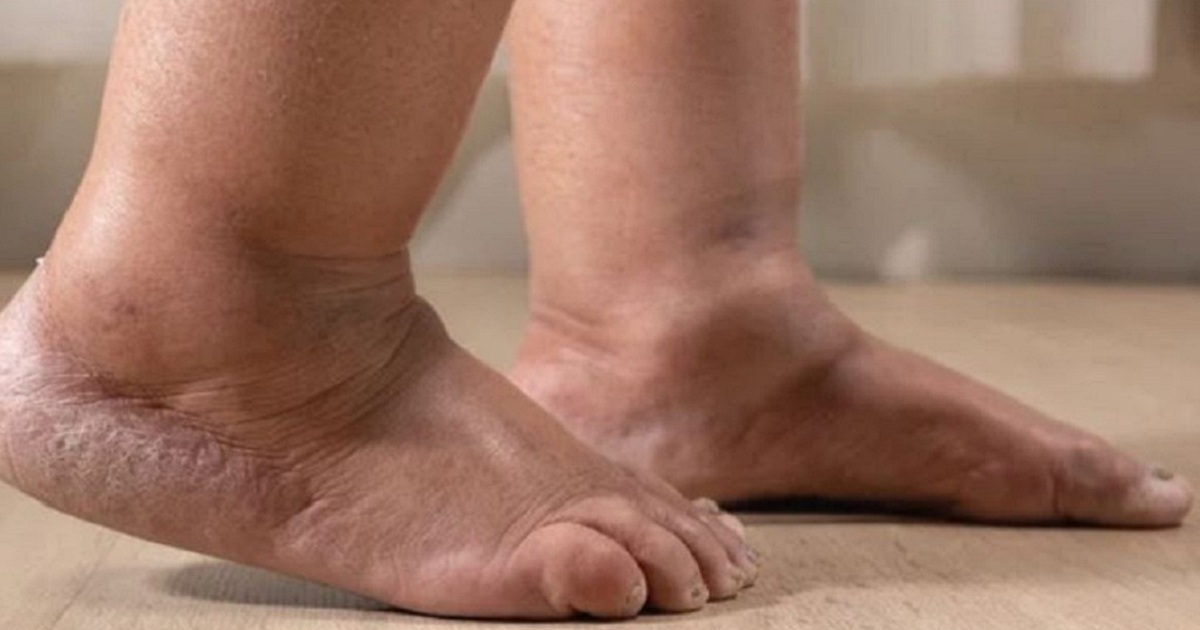
What Is “Heart Blockage” in the Legs?
When people talk about “heart blockage in the legs,” they are usually referring to poor blood flow caused by narrowed or blocked arteries. Fatty deposits (plaque) build up inside blood vessels, reducing oxygen delivery to muscles and tissues.
This condition does not happen suddenly. It develops slowly — and the body often sends signals at night when circulation is weakest.
Why Symptoms Get Worse at Night
At night:
-
Blood pressure naturally drops
-
The body is at rest
-
Gravity no longer helps blood flow to the legs
As a result, reduced circulation becomes more noticeable, causing pain, discomfort, and unusual sensations that may wake people from sleep.
Common Warning Symptoms to Watch For
1. Leg Pain or Cramping at Night
One of the most common signs is deep aching, cramping, or burning pain in the calves, thighs, or feet that appears during rest or sleep.
This pain may:
-
Wake you up at night
-
Improve when you sit up or hang your legs down
-
Return when you lie flat again
This pattern is a classic warning sign of poor circulation.
2. Cold Feet or Legs
If your feet feel unusually cold at night, even under blankets, it may indicate reduced blood flow. One leg or foot may feel colder than the other — an important red flag.
3. Numbness or Tingling Sensations
Many people report pins-and-needles, numbness, or a “dead” feeling in the feet or toes at night. These sensations occur when nerves do not receive enough oxygen-rich blood.
4. Changes in Skin Color
Blocked circulation can cause the skin to appear:
-
Pale or bluish
-
Shiny or thin
-
Darker in patches
These changes may be more visible when lying down or upon waking.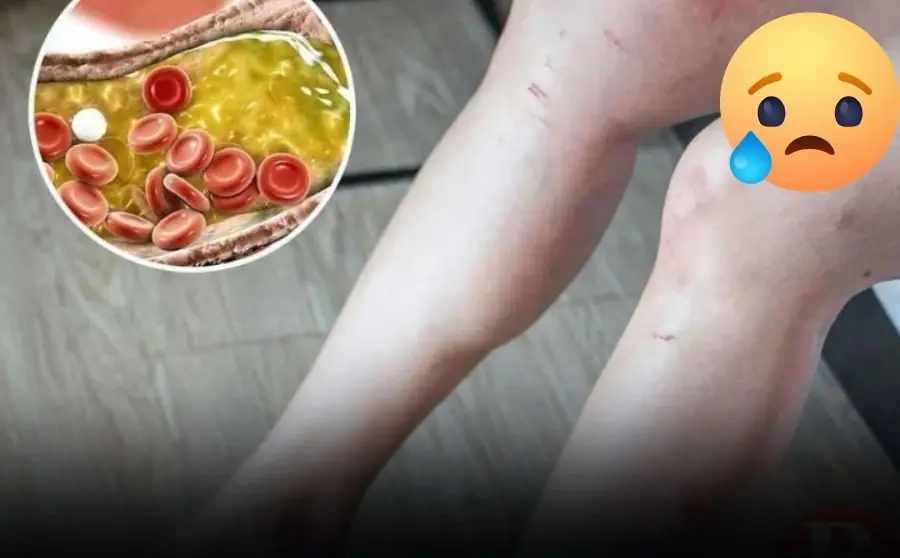
5. Slow-Healing Cuts or Sores
Poor blood flow means wounds heal slowly. Small cuts, cracks, or sores on the feet that take weeks to heal — or do not heal at all — are a serious warning sign.
6. Restless Legs With Pain, Not Just Discomfort
Unlike typical restless leg syndrome, circulation-related restlessness is often accompanied by pain, pressure, or burning, not just an urge to move.
Movement may temporarily relieve symptoms because it increases blood flow.
7. Weak or Absent Pulse in the Feet
Doctors often check pulses on the feet and ankles. A weak or difficult-to-find pulse may indicate significant arterial blockage.
Who Is at Higher Risk?
You may be at higher risk if you:
-
Smoke or used to smoke
-
Have diabetes
-
Have high blood pressure or high cholesterol
-
Are overweight
-
Live a sedentary lifestyle
-
Have a family history of heart disease
PAD is strongly linked to heart attack and stroke risk, making early detection critical.