A stroke rarely announces itself loudly at first.
For many people, it doesn’t begin with sudden collapse, slurred speech, or loss of movement. Instead, it starts quietly—through symptoms so subtle they are often dismissed as stress, fatigue, or “just getting older.”
A brain blood clot, also known as cerebral thrombosis or embolism, can develop slowly. Weeks before a stroke happens, the body may already be sending warning signals. The tragedy is that most people don’t recognize them in time.
Here are nine silent signs doctors say should never be ignored.
1. Unexplained, Persistent Headaches
Not all headaches are dangerous—but headaches that feel different should raise concern.
A brain blood clot can cause pressure to build inside the skull, leading to headaches that:
-
Appear suddenly without a clear trigger
-
Worsen over days or weeks
-
Don’t respond to normal painkillers
These headaches are often described as deep, heavy, or constant, rather than sharp or throbbing.
2. Sudden Vision Changes
Blurry vision. Double vision. Brief moments of vision loss.
These symptoms can come and go, which is why people often ignore them. But when blood flow to the brain is partially blocked, the visual centers are among the first areas affected.
If vision problems appear without eye pain, the issue may not be your eyes—it may be your brain.
3. Tingling or Numbness on One Side of the Body
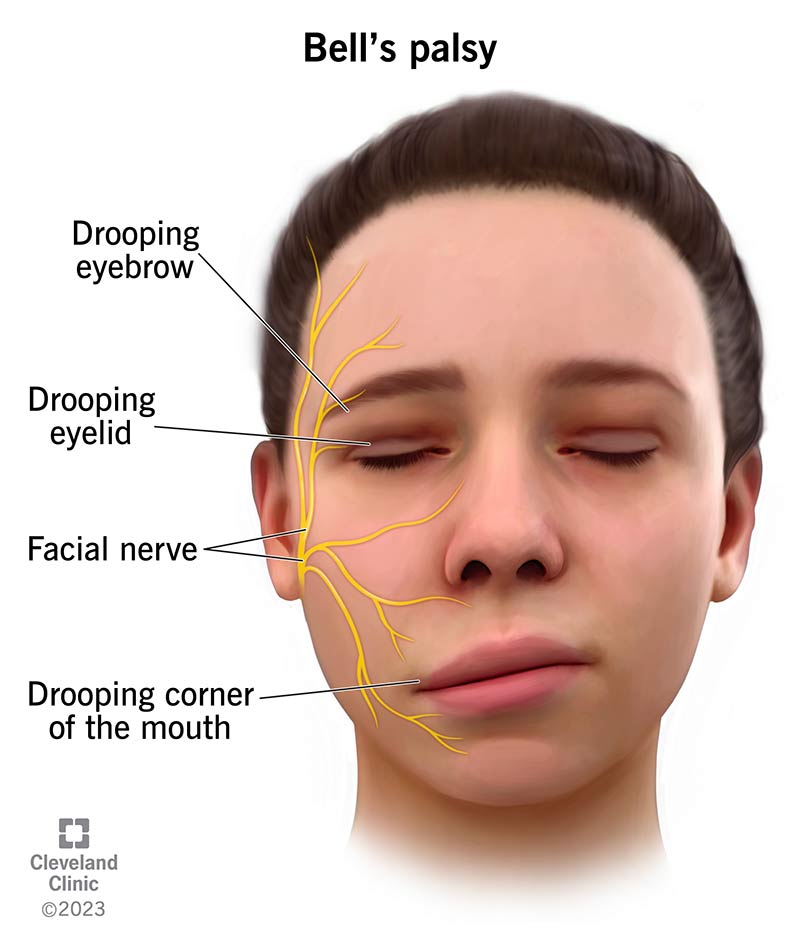
A common early warning sign is numbness or tingling affecting only one side—an arm, a leg, or part of the face.
At first, it may feel like:
-
A limb “falling asleep”
-
Mild pins and needles
-
Temporary weakness
But recurring one-sided sensations are a red flag for disrupted blood flow.


4. Sudden Difficulty Concentrating
People often describe this as brain fog—trouble focusing, forgetting simple things, or struggling to follow conversations.
When the brain doesn’t receive enough oxygen-rich blood, cognitive performance declines. This can happen long before a stroke becomes obvious.
If mental clarity suddenly worsens without explanation, it deserves medical attention.
5. Slurred or Slowed Speech
Speech changes don’t always sound dramatic.
Early signs include:
-
Words coming out slower than usual
-
Difficulty finding common words
-
Feeling like the tongue isn’t cooperating
These subtle speech changes can appear intermittently, which makes them easy to dismiss.
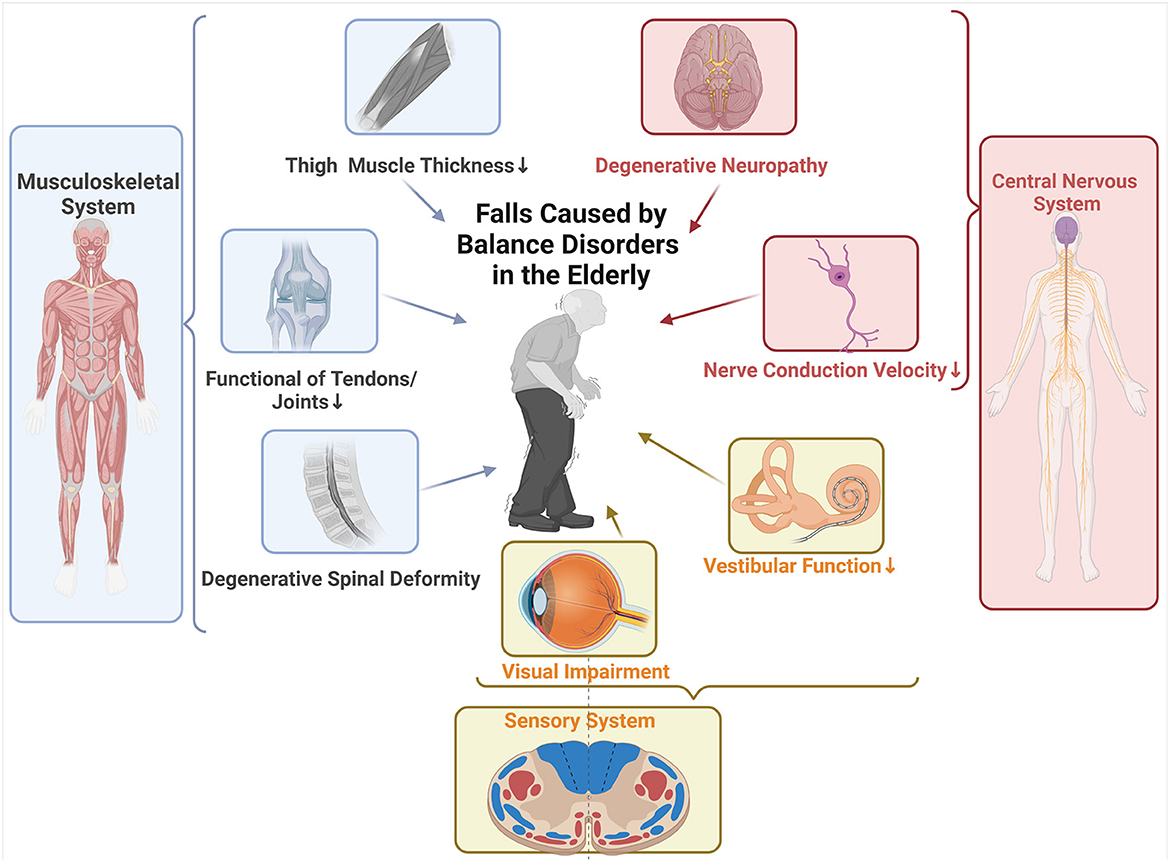
6. Dizziness or Balance Problems
A brain blood clot can affect the cerebellum and inner balance systems.
Symptoms may include:
-
Feeling unsteady while walking
-
Sudden dizziness when standing
-
Loss of coordination
These episodes may be brief—but repetition matters.


7. Unusual Fatigue That Doesn’t Improve With Rest
This isn’t ordinary tiredness.
People with early brain circulation problems often report deep exhaustion, even after sleeping. The brain is working harder to function under reduced blood flow, draining energy faster than normal.
Fatigue paired with other neurological symptoms is especially concerning.
8. Nausea or Vomiting Without a Clear Cause
While nausea is commonly linked to stomach issues, neurological nausea feels different.
It may:
-
Appear suddenly
-
Occur alongside headaches or dizziness
-
Have no relation to food
This can signal rising pressure inside the brain.
9. Personality or Mood Changes
This is one of the most overlooked signs.
A brain blood clot can affect emotional regulation, leading to:
-
Sudden irritability
-
Anxiety without cause
-
Depression-like symptoms
Family members often notice these changes before the person experiencing them does.
Why These Signs Are Often Missed
The danger of a brain blood clot lies in its subtlety.
Symptoms often:
-
Appear gradually
-
Come and go
-
Mimic stress, aging, or minor illness
By the time a full stroke occurs, the warning phase has already passed.
When to Seek Medical Help
Doctors emphasize this rule:
If neurological symptoms are new, unexplained, or worsening—don’t wait.