Breakfast is often called the most important meal of the day. For many people, it represents comfort, routine, and energy to start the morning. But what most don’t realize is that some popular breakfast choices quietly overload the kidneys, especially when eaten regularly over months or years.
Kidney damage doesn’t usually announce itself with pain. It develops slowly, silently, and by the time symptoms appear, the damage is often permanent.
Doctors warn that certain breakfast foods—especially when combined with dehydration and excess salt or sugar—can accelerate kidney decline, even in people who believe they are otherwise healthy.
Below are four common breakfast dishes people love, but nephrologists say they can be dangerous when eaten frequently.
1. Processed Breakfast Meats (Bacon, Sausage, Ham)
Few smells are more tempting in the morning than sizzling bacon or fried sausage. Unfortunately, these foods are among the worst offenders for kidney health.
Processed meats are extremely high in:
-
Sodium
-
Preservatives
-
Phosphates
Excess sodium forces the kidneys to work overtime to maintain fluid balance. Over time, this constant strain can lead to high blood pressure, one of the leading causes of chronic kidney disease.
Phosphates, commonly added to processed meats, are particularly dangerous. Studies show they accelerate kidney damage and increase cardiovascular risk, even in people with no diagnosed kidney condition.
What makes this worse is how normal these foods feel. Many people eat them several times a week without realizing the long-term cost.
2. Instant Noodles and Breakfast Ramen

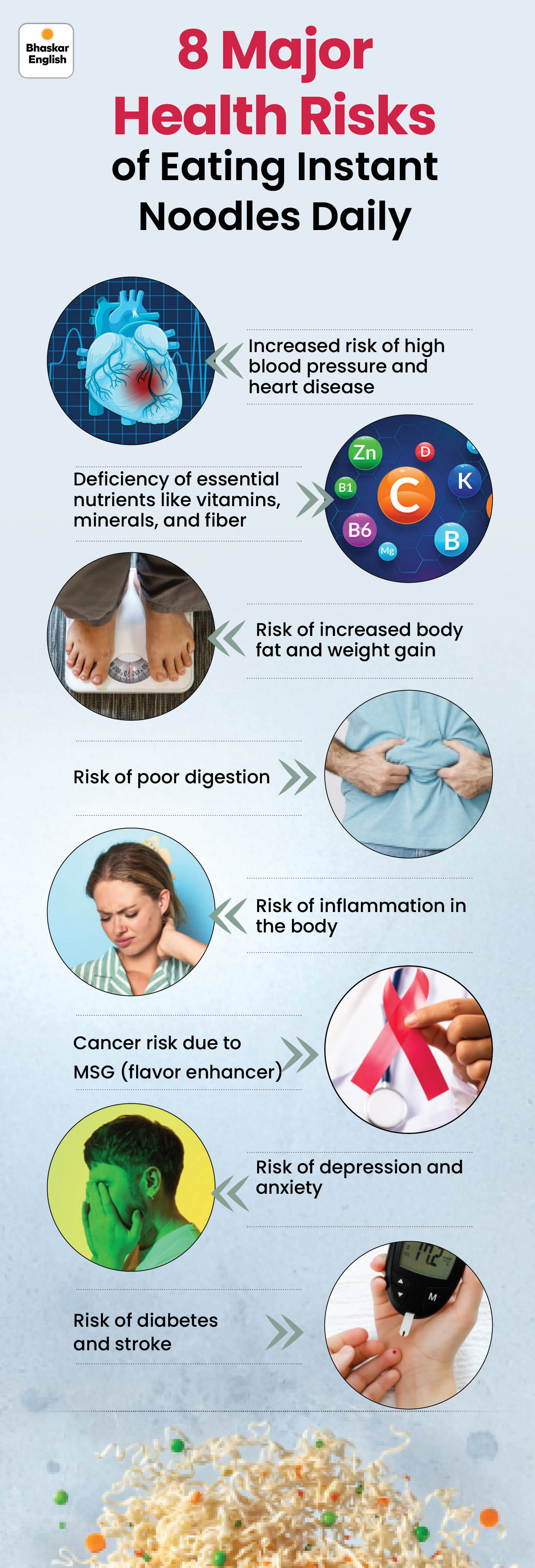
Instant noodles are cheap, fast, and comforting—making them a popular breakfast for students, busy workers, and anyone short on time.
But one packet can contain more sodium than the kidneys should process in an entire day.
The seasoning powder is packed with:
-
Salt
-
Artificial flavor enhancers
-
Preservatives
This combination causes the body to retain water, increases blood pressure, and reduces kidney filtration efficiency. Over time, frequent consumption can contribute to kidney stones, protein leakage in urine, and long-term kidney damage.
Doctors often note that people with early kidney issues are shocked when told that instant noodles played a role—because they never felt “unhealthy” while eating them.
3. Sugary Breakfast Cereals and Sweetened Pastries
At first glance, cereal and pastries seem harmless—sometimes even marketed as “healthy” or “energy-boosting.”
The problem lies in hidden sugar.
Sugary breakfasts cause rapid spikes in blood glucose, which over time damage the tiny blood vessels inside the kidneys. This process is especially dangerous for people with:
-
Prediabetes
-
Insulin resistance
-
Family history of kidney disease
Repeated sugar overload leads to inflammation and scarring of kidney tissues. Even without diabetes, excessive sugar increases the risk of obesity and hypertension—both major kidney risk factors.
Sweet breakfasts may give quick energy, but they quietly drain kidney health day by day.
4. High-Protein Breakfasts Without Enough Water

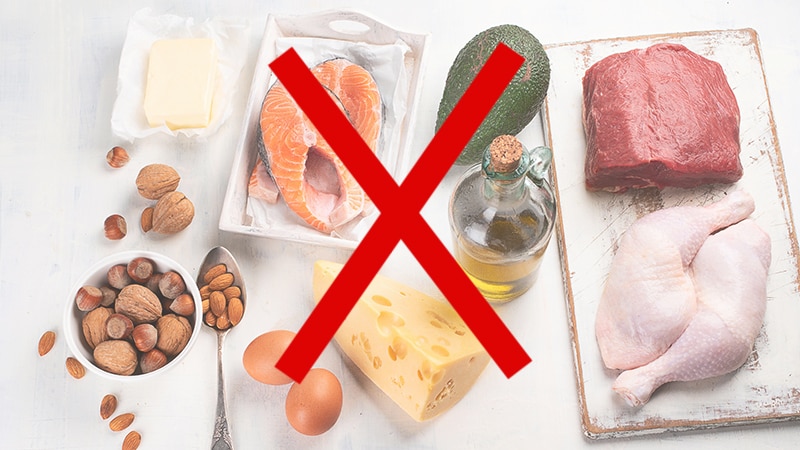

High-protein breakfasts—such as large portions of eggs, meat, protein shakes, or protein bars—have become trendy, especially among people trying to lose weight or build muscle.
Protein itself is not the enemy.
The problem arises when high protein intake is paired with dehydration.
The kidneys must filter protein waste products from the blood. Without enough water, these waste products concentrate, increasing the risk of:
-
Kidney stones
-
Increased creatinine levels
-
Accelerated kidney wear
Many people drink coffee in the morning but forget water entirely—placing additional stress on already overworked kidneys.
Why Kidney Damage Happens So Quietly
The kidneys are resilient organs. They compensate until they can’t.
Early kidney damage often causes:
-
No pain
-
No obvious symptoms
-
Normal daily functioning
By the time fatigue, swelling, or changes in urination appear, significant damage may already be present.
This is why diet-related kidney harm is so dangerous—it builds silently over years.
How to Protect Your Kidneys at Breakfast
Doctors don’t recommend skipping breakfast—but they urge smarter choices.
Kidney-friendly breakfast habits include:
-
Drinking water first thing in the morning
-
Limiting processed and packaged foods
-
Reducing added salt and sugar
-
Balancing protein with hydration
Small changes made consistently can dramatically reduce kidney stress over time.
The Bottom Line
The foods we love most are not always the ones that love us back.
Kidney damage doesn’t happen overnight—but breakfast is one of the daily habits that quietly shapes long-term health. Awareness, not fear, is the goal.
Because protecting your kidneys today means avoiding irreversible consequences tomorrow.