Most people think cancer announces itself loudly — through severe pain, dramatic weight loss, or sudden collapse.
In reality, many cancers whisper long before they scream.
The body often sends its earliest warning signs through places we rarely associate with cancer: the hands and the feet. These areas are rich in nerves, blood vessels, and connective tissue, making them highly sensitive to changes happening deep inside the body.
Doctors warn that certain unexplained changes in the hands and feet may appear months — sometimes even years — before a cancer diagnosis. They are subtle, easy to ignore, and often mistaken for aging, stress, or minor injury.
Here are four signs that deserve attention.
1. Persistent Pain, Stiffness, or Swelling Without Injury
Occasional joint pain is common. But persistent pain or stiffness in the hands or feet with no clear cause is different.
Some cancers trigger inflammation throughout the body. This inflammation can settle in small joints, causing:
-
Morning stiffness that lasts longer than 30 minutes
-
Swelling that comes and goes
-
A deep, aching pain not relieved by rest
People often assume it’s arthritis or overuse. But when these symptoms appear suddenly and progressively worsen, doctors recommend further investigation.
In some cases, these symptoms are linked to cancers that affect the immune system or release inflammatory substances into the bloodstream.
2. Numbness, Tingling, or Loss of Sensation

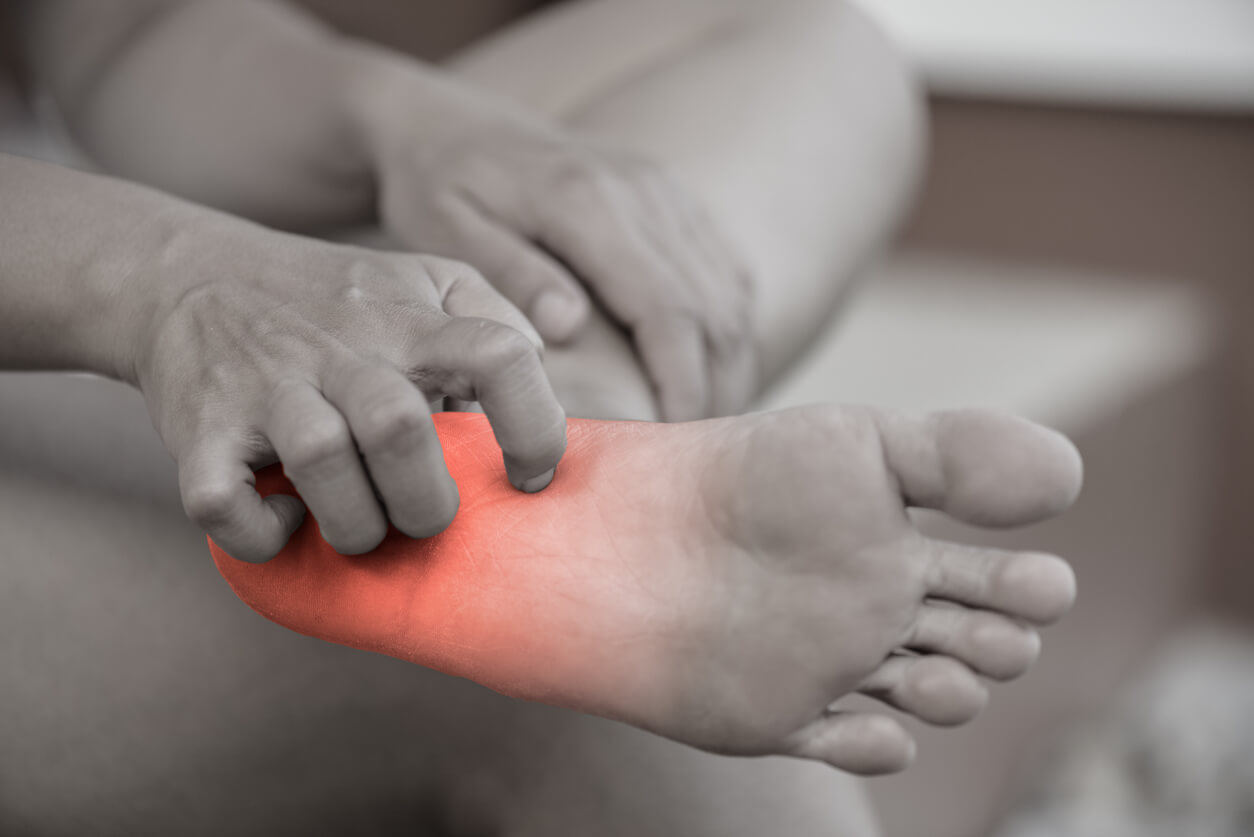
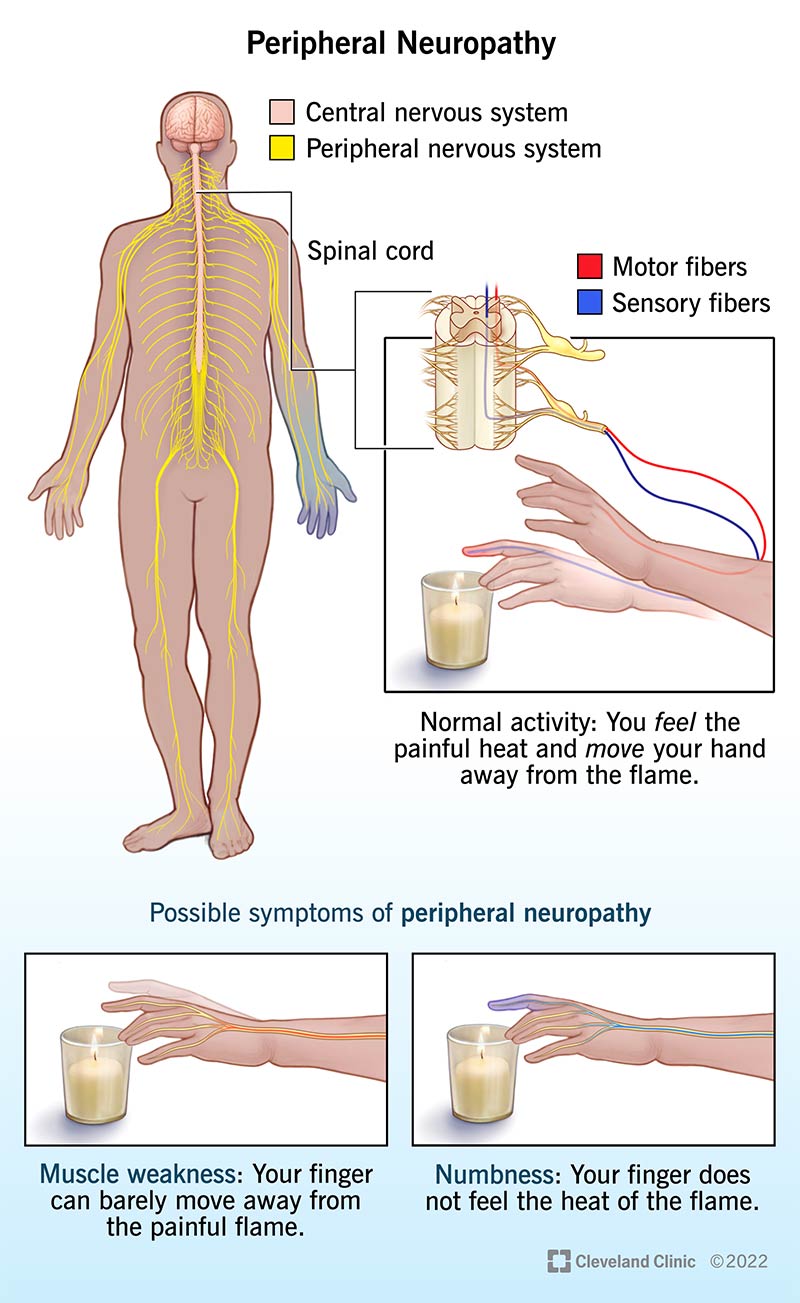
Numbness or tingling in the hands and feet is frequently blamed on poor circulation or posture. However, unexplained or worsening numbness can be a neurological red flag.
Certain cancers interfere with nerve function, either directly or indirectly. This can result in:
-
Pins-and-needles sensations
-
Burning or electric-like pain
-
Reduced sensitivity to temperature
These symptoms may start mildly and spread gradually, often affecting both sides of the body.
Doctors refer to this as paraneoplastic neuropathy — nerve damage caused not by the tumor itself, but by the body’s immune response to cancer.
3. Changes in Skin Color or Temperature
Healthy hands and feet are warm and evenly colored. Sudden or persistent changes should not be ignored.
Warning signs include:
-
Unusual paleness or bluish discoloration
-
Redness without infection
-
Cold hands or feet even in warm environments
These changes may indicate problems with blood flow or oxygen delivery. Some cancers affect the blood’s ability to circulate properly, leading to reduced oxygen reaching the extremities.
Over time, this can cause tissue damage, discomfort, and visible changes in appearance.
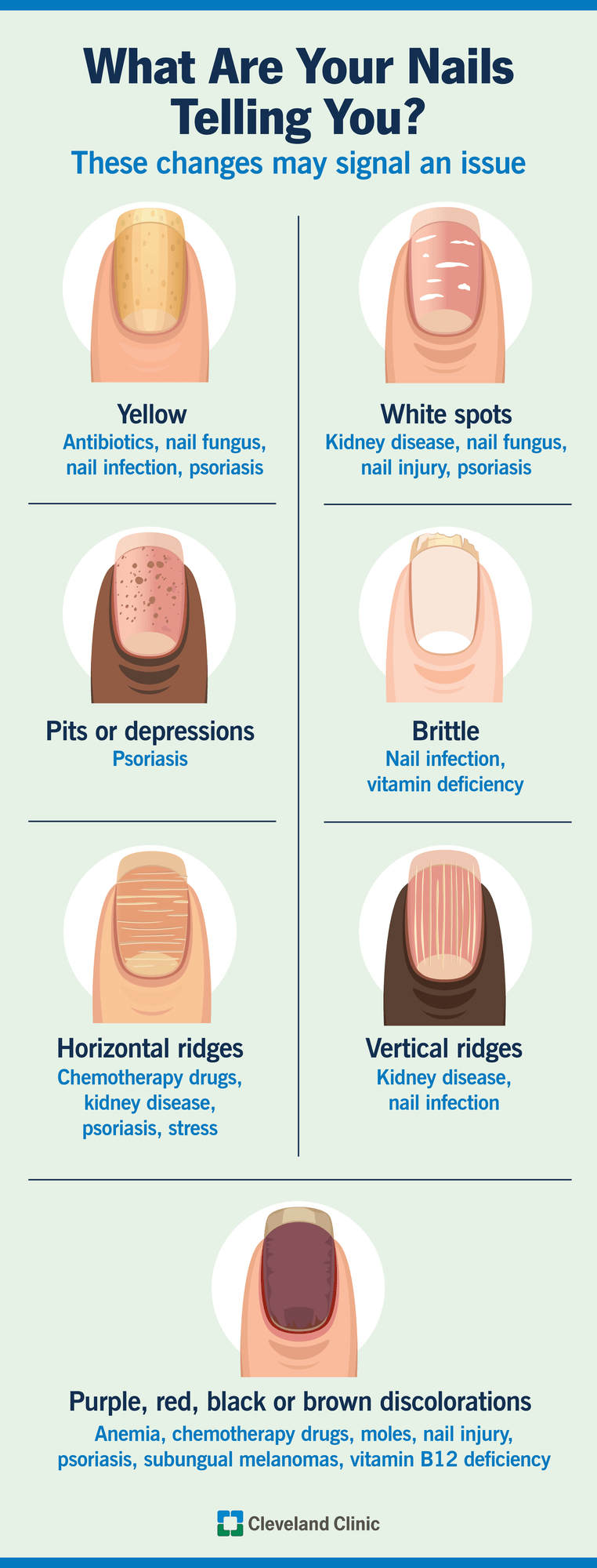
4. Clubbing or Changes in Finger and Toenails
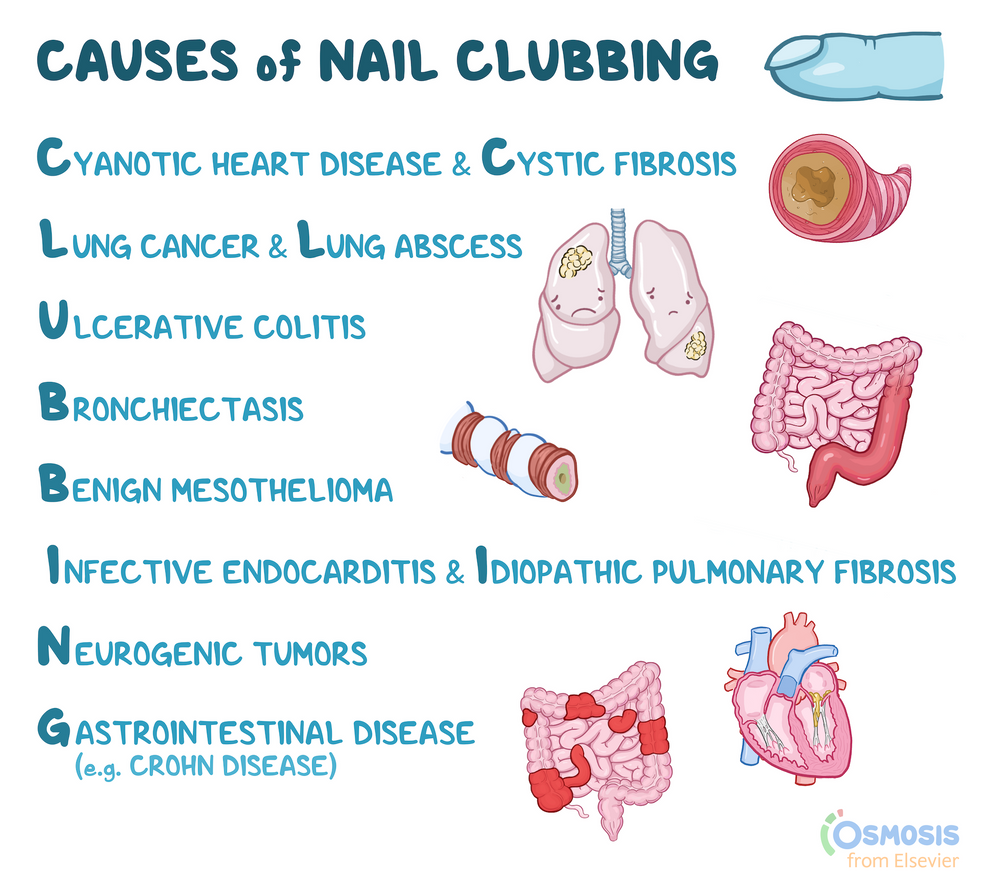

One of the most overlooked signs is clubbing — a change in the shape of the fingers or toes.
This occurs when:
-
Fingertips become rounded or bulbous
-
Nails curve downward more than normal
-
The angle between the nail and cuticle increases
Clubbing is strongly associated with cancers that affect oxygen levels in the body, particularly lung cancer, but also heart and gastrointestinal cancers.
The changes happen slowly, which is why many people don’t notice them until they’re pointed out by a medical professional.
Why These Signs Are Often Missed
Hands and feet are easy to dismiss.
We blame pain on work, numbness on posture, swelling on age, and nail changes on genetics. But the body rarely changes without a reason.
Cancer-related symptoms are especially dangerous because they:
-
Appear gradually
-
Don’t cause immediate pain
-
Mimic common, harmless conditions
By the time more obvious symptoms appear, the disease may already be advanced.
When to Seek Medical Attention
Doctors emphasize one rule:
If a symptom is new, unexplained, and persistent — don’t ignore it.
You should seek medical advice if:
-
Symptoms last more than a few weeks
-
They worsen over time
-
They affect daily function
Early evaluation doesn’t mean panic. It means protection.
The Bottom Line
Cancer doesn’t always start with dramatic warning signs.
Sometimes, it begins quietly — in the hands that feel stiff for no reason, in the feet that tingle at night, in nails that slowly change shape.
Listening to these subtle signals doesn’t create fear.
It creates opportunity — for early detection, early treatment, and better outcomes.
Your hands and feet may be trying to tell you something.
The question is: are you listening?