The 5 Best Nutrients to Reduce Swelling in the Feet and Legs
Health 22/12/2025 01:03
Colon cancer is one of the most preventable forms of cancer — yet it remains one of the leading causes of cancer-related deaths worldwide. The reason is not lack of treatment, but late detection. In most cases, colon cancer does not appear suddenly. It develops slowly, often beginning as small growths called colon polyps.
Understanding what colon polyps are and why early detection matters can save lives.
Colon polyps are abnormal tissue growths that form on the inner lining of the colon or rectum. Most polyps are benign at first, meaning they are not cancerous. However, some types — especially adenomatous polyps — can gradually turn into cancer over time.
This transformation usually takes years, which creates a critical window for prevention.
The biggest risk of colon polyps is that they often cause no symptoms in their early stages. Many people feel completely healthy while polyps quietly grow inside the colon.
Because of this, colon cancer is frequently diagnosed only after it has progressed to an advanced stage — when treatment becomes more difficult and outcomes are less favorable.
Early detection allows doctors to remove polyps before cancer ever develops.
Early detection is the single most effective tool in preventing colon cancer. When polyps are found early:
They can be removed during routine screening
Cancer development can be completely stopped
Survival rates increase dramatically
According to medical studies, removing precancerous polyps can reduce colon cancer risk by more than 90%.
This is prevention, not just treatment.
Anyone can develop colon polyps, but the risk increases with:
Age over 45
Family history of colon polyps or colon cancer
Diet high in red or processed meat
Low fiber intake
Smoking and alcohol use
Obesity and physical inactivity
Chronic inflammatory bowel disease
People with these risk factors should be especially proactive about screening.
Most polyps cause no symptoms, but some warning signs may include:
Blood in stool
Changes in bowel habits
Unexplained anemia
Abdominal discomfort
These symptoms often appear only when polyps are large or cancer has already developed, which is why waiting for symptoms is risky.
The most effective screening tools include:
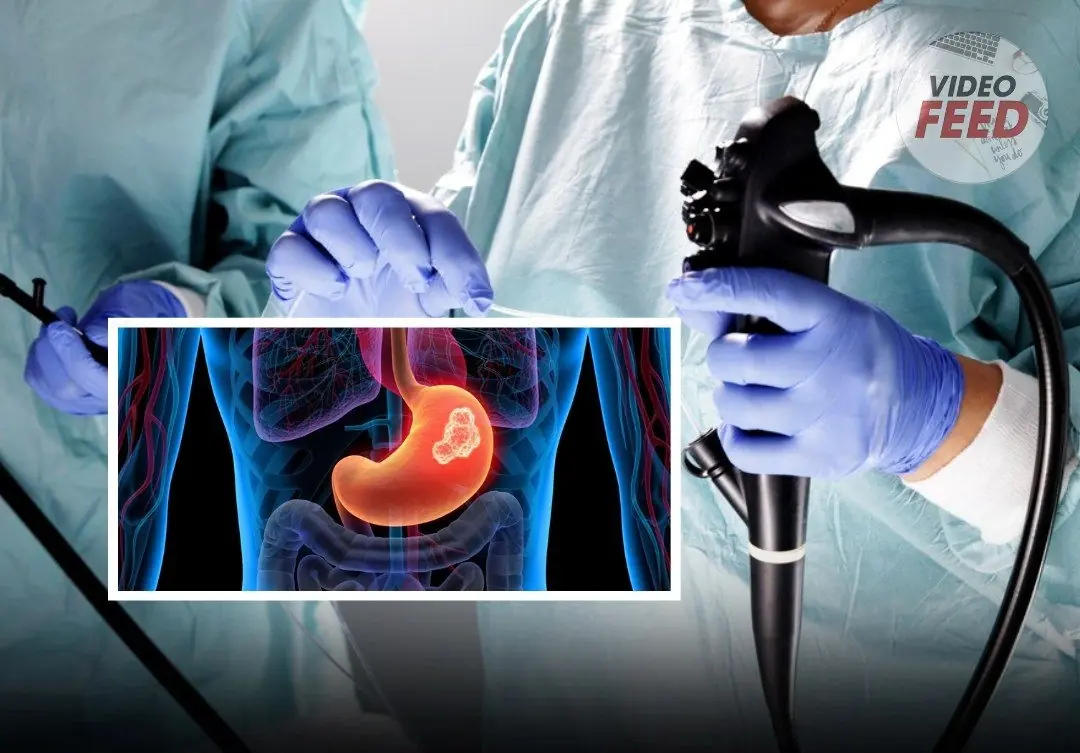
This is the gold standard for detection. A colonoscopy allows doctors to:
Examine the entire colon
Detect even small polyps
Remove polyps immediately
These tests check for hidden blood or abnormal DNA in stool. While less invasive, they must be done more frequently and cannot remove polyps.
Doctors often recommend a combination of methods based on age, risk level, and medical history.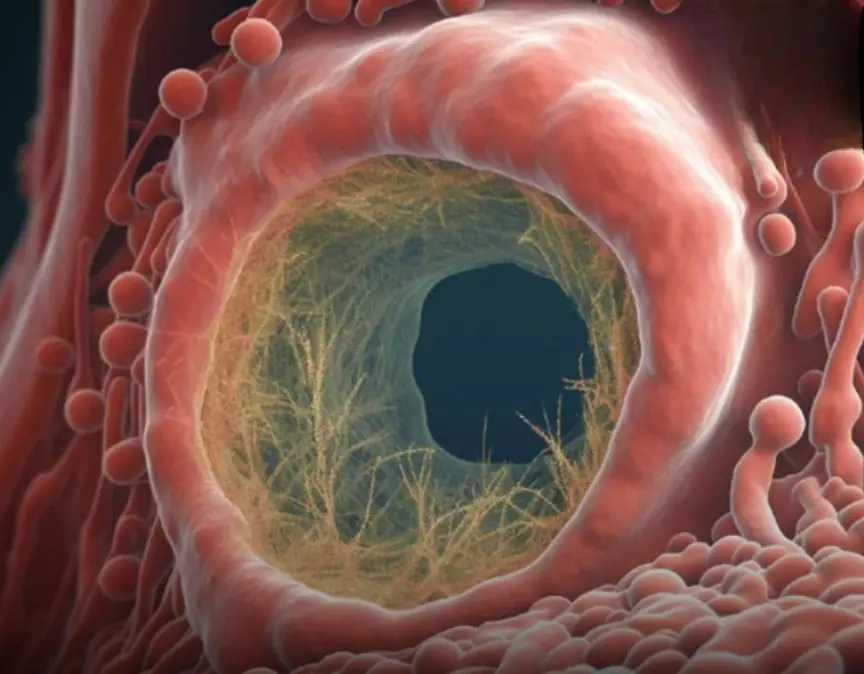
Medical guidelines now recommend that average-risk adults begin colon cancer screening at age 45. Those with higher risk factors may need to start earlier.
Regular screening schedules vary, but consistency is crucial. Skipping screenings allows polyps time to grow unnoticed.
While screening is essential, lifestyle changes can further reduce the risk of developing polyps:
Eat a fiber-rich diet with fruits, vegetables, and whole grains
Limit red and processed meats
Exercise regularly
Maintain a healthy weight
Quit smoking
Limit alcohol consumption
These habits support colon health and overall well-being.
Many people delay or avoid screening due to fear, embarrassment, or inconvenience. However, modern screening procedures are:
Safe
Painless or minimally uncomfortable
Highly effective
Avoiding screening does not avoid disease — it only delays detection.