From Ditch-Side Weed to ‘Edible Gold’: How Purslane Became a High-Value Delicacy
For generations, purslane (Portulaca oleracea) grew wild along irrigation ditches, canal banks, and muddy fields. Hardy, fast-growing, and overlooked, it was once considered a “poor man’s vegetable,” eaten mainly by families with limited food choices. Today, this humble plant has made a dramatic comeback, transforming into a high-priced specialty crop with a value comparable to gold.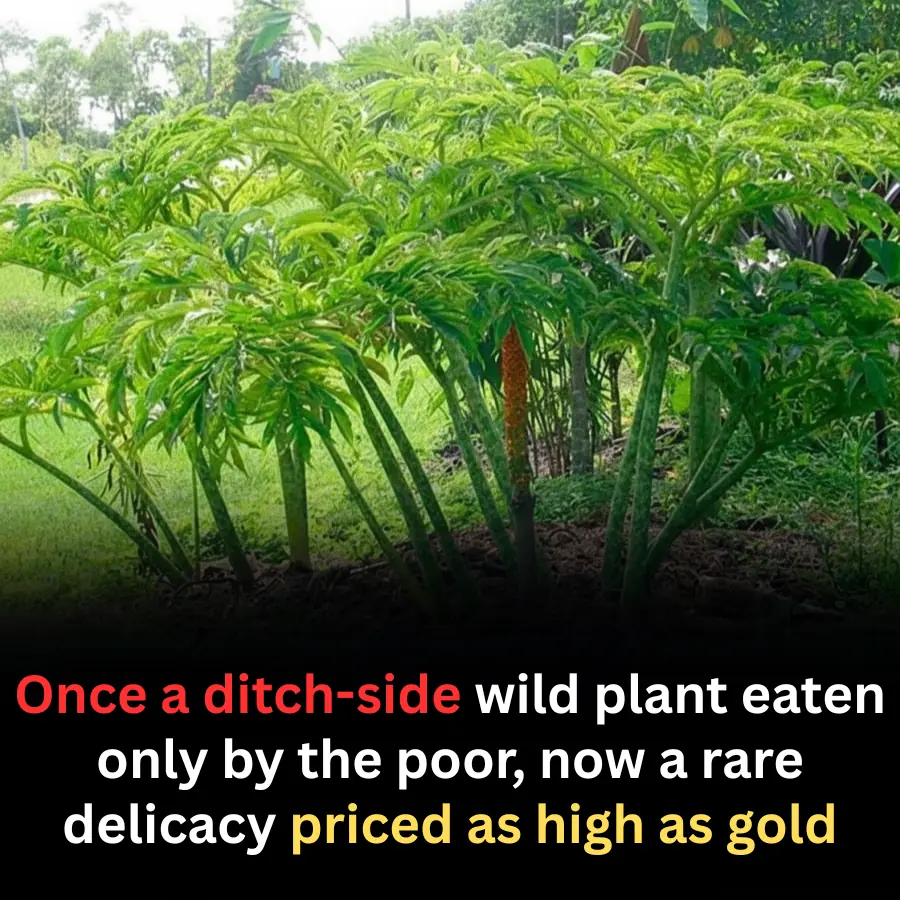
Why purslane is no longer “just a weed”
Modern nutrition science has redefined purslane’s reputation. Researchers have found that purslane is one of the richest plant-based sources of omega-3 fatty acids, even surpassing many leafy vegetables. It is also packed with antioxidants, vitamin C, vitamin A, magnesium, potassium, and anti-inflammatory compounds.
Because of these properties, purslane is now promoted as a functional food that supports heart health, reduces inflammation, improves digestion, and helps regulate blood sugar levels.
Soaring demand and shrinking supply
The price of purslane has surged due to a combination of factors:
-
Rising health awareness: Consumers increasingly seek natural, wild, and nutrient-dense foods.
-
Limited availability: Urbanization and modern farming methods have reduced natural growth areas.
-
Export demand: In recent years, Chinese buyers have begun sourcing purslane in bulk for food processing, herbal medicine, and premium culinary markets.
In some regions, dried or processed purslane now sells at exceptionally high prices, earning it the nickname “edible gold.”
From survival food to premium ingredient
What was once a symbol of hardship is now a symbol of sustainability and forgotten wisdom. Farmers who once removed purslane from their fields now cultivate it deliberately, while chefs feature it in salads, soups, and gourmet dishes.
Agricultural experts note that purslane’s rise reflects a global trend: traditional wild plants are being rediscovered through modern science and market demand.
A lesson from nature
The story of purslane is a reminder that value is often hidden in plain sight. Foods once ignored or despised may, with time and understanding, become some of the most treasured resources of all.