
Why Are Women's Shirt Buttons on the Left and Men's on the Right?
One Small Shirt Detail Reveals a Fascinating Piece of History
Tips 29/07/2026 23:42
Toenail fungus is one of the most common nail conditions worldwide, affecting millions of people each year. While it is rarely a serious medical emergency, it can cause nail discoloration, thickening, brittleness, and discomfort that may interfere with daily activities and self-confidence.
Because treatment can sometimes take several months, many people search for natural remedies online. You may have heard claims that ingredients like tea tree oil, vinegar, garlic, or baking soda can completely cure toenail fungus. While some natural products have shown limited antifungal activity in laboratory studies, the scientific evidence in humans remains mixed.
Natural care strategies may help improve nail hygiene and support overall nail health, especially when used alongside appropriate medical treatment. However, they should not replace proven therapies for moderate or severe fungal infections.
Here's what current research says about toenail fungus, natural care strategies, and when it's important to seek medical attention.

Toenail fungus, also known as onychomycosis, is a fungal infection that affects one or more toenails.
The infection is most commonly caused by fungi called dermatophytes, although yeasts and molds can also be responsible.
Fungi thrive in warm, moist environments, making feet—especially those frequently enclosed in shoes—a common site for infection.
Toenail fungus usually develops gradually.
Common signs include:
Yellow, white, or brown discoloration
Thickened nails
Brittle or crumbly nails
Nails that split easily
Distorted nail shape
Debris collecting under the nail
Separation of the nail from the nail bed
Mild discomfort when wearing shoes
Some people experience no pain, while others develop significant discomfort if the infection becomes severe.
Several factors increase the risk.
These include:
Older age
Diabetes
Poor circulation
Athlete's foot
Frequent use of public swimming pools or locker rooms
Wearing tight, non-breathable shoes
Excessive sweating
Nail injuries
A weakened immune system
Understanding these risk factors can help you reduce the chance of future infections.
This is one of the most common questions.
The answer is:
Natural remedies may help support nail care or provide mild antifungal effects in some cases, but there is limited high-quality evidence that they can reliably cure established toenail fungus on their own.
Because fungi often live beneath the nail plate, treatments have difficulty reaching the infection.
For this reason, prescription antifungal medications generally have higher success rates than home remedies.
Tea tree oil is one of the most widely studied natural products for fungal skin conditions.
Laboratory studies suggest it has antifungal properties.
Some small clinical studies have reported modest improvement in mild cases of toenail fungus.
Tea tree oil may:
Reduce fungal growth in laboratory settings
Improve nail appearance in some individuals
Support overall foot hygiene
Tea tree oil should:
Be used only on the skin or nails.
Never be swallowed.
Be diluted if recommended by the product instructions.
Discontinued if it causes redness or irritation.
This may sound simple, but it is one of the most effective supportive measures.
Fungi prefer moist environments.
Helpful habits include:
Washing feet daily.
Drying carefully between the toes.
Changing socks every day.
Wearing breathable footwear.
Rotating shoes to allow them to dry completely.
Using moisture-wicking socks if your feet sweat heavily.
These practices help reduce the environment that fungi need to thrive.
Regular nail care can make treatment more effective.
Trim nails:
Straight across.
Keep them short.
File thickened areas gently if recommended by your healthcare provider.
Clean nail clippers after each use.
Avoid sharing nail tools with others.
Vinegar is often promoted online as a natural antifungal treatment.
While vinegar creates an acidic environment that may inhibit some microorganisms in laboratory settings, evidence supporting its effectiveness against toenail fungus in humans is limited.
If you choose to try vinegar soaks:
Use them only on intact skin.
Stop if irritation develops.
Do not expect them to replace medical treatment.
Healthy habits can reduce the spread of fungi.
These include:
Wearing flip-flops in public showers.
Avoiding walking barefoot in locker rooms.
Washing socks after every use.
Disinfecting shoes periodically.
Replacing worn shoes if they remain damp or heavily contaminated.

Athlete's foot and toenail fungus often occur together.
If athlete's foot is left untreated, fungi may repeatedly spread to the toenails.
Treating both conditions simultaneously can improve overall outcomes.
Healthy nails require adequate nutrition.
Although no food cures fungal infections, nutrients that support normal nail growth include:
Protein
Iron
Zinc
Biotin
Vitamin C
Vitamin D
A varied diet rich in fruits, vegetables, whole grains, lean proteins, legumes, nuts, and seeds supports overall health and healthy nail growth.
Repeated nail injuries may increase susceptibility to fungal infections.
To protect your nails:
Wear properly fitting shoes.
Trim nails regularly.
Wear protective footwear during sports or heavy work.
Avoid picking at damaged nails.
Natural care may not be enough if the infection is extensive or persistent.
Consult a healthcare provider if:
More than half of the nail is affected.
Multiple nails are involved.
You have diabetes.
You have poor circulation.
You have a weakened immune system.
The nail becomes painful.
There is redness, swelling, or drainage.
The infection continues to spread.
Prompt evaluation helps ensure the correct diagnosis, as not all nail abnormalities are caused by fungus.
Depending on the severity of the infection, treatment may include:
These are applied directly to the nail over several months.
Oral medications often provide higher cure rates than topical treatments because they reach the nail through the bloodstream.
However, they require medical supervision because they may not be appropriate for everyone.
A healthcare professional may trim or thin thickened nails to improve comfort and help medications penetrate more effectively.
Laser treatment has been studied as a possible option for toenail fungus.
While some people experience improvement, evidence regarding its long-term effectiveness remains limited, and it is not considered a first-line treatment in many clinical guidelines.
One reason toenail fungus can be frustrating is that nails grow slowly.
Even after the fungus is successfully treated, it may take:
6 to 12 months for a healthy toenail to grow out completely.
Patience and consistent treatment are essential.
Many infections can be prevented by following healthy foot-care habits.
These include:
Keep feet clean and dry.
Wear breathable shoes.
Change socks daily.
Avoid sharing nail clippers or shoes.
Wear sandals in public showers and pool areas.
Treat athlete's foot promptly.
Trim nails regularly.
Choose properly fitting footwear.
Reality: While vinegar has shown antimicrobial activity in laboratory studies, there is limited evidence that it can reliably cure toenail fungus in people.
Reality: Improvements in appearance do not always mean the infection has been eliminated. Continue treatment as recommended by your healthcare provider.
Reality: Although often mild, untreated infections can worsen over time, spread to other nails or skin, and cause discomfort—especially in people with diabetes or poor circulation.
Reality: Applying bleach directly to the skin or nails can cause chemical burns and is not recommended as a treatment for toenail fungus.
Reality: There is no strong evidence that natural remedies cure toenail fungus more quickly or more effectively than medically recommended antifungal treatments.
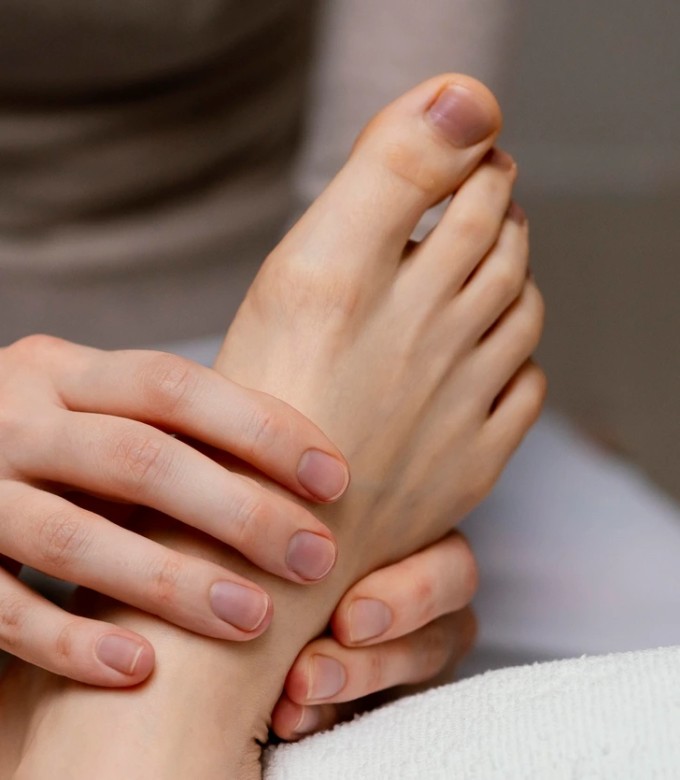
Toenail fungus is a common condition that often requires patience and consistent care. While natural strategies such as keeping your feet clean and dry, practicing good nail hygiene, using breathable footwear, and addressing athlete's foot promptly may help support healthy nails and reduce the risk of recurrence, they are not guaranteed cures.
Some natural products, including tea tree oil, have shown promising antifungal activity in laboratory studies and limited human research, but the evidence remains insufficient to recommend them as standalone treatments for established infections. For persistent, painful, or extensive toenail fungus—particularly if you have diabetes, poor circulation, or a weakened immune system—professional medical evaluation is the safest approach.
With early treatment, good foot hygiene, and realistic expectations, most people can improve the appearance and health of their nails over time.
One Small Shirt Detail Reveals a Fascinating Piece of History
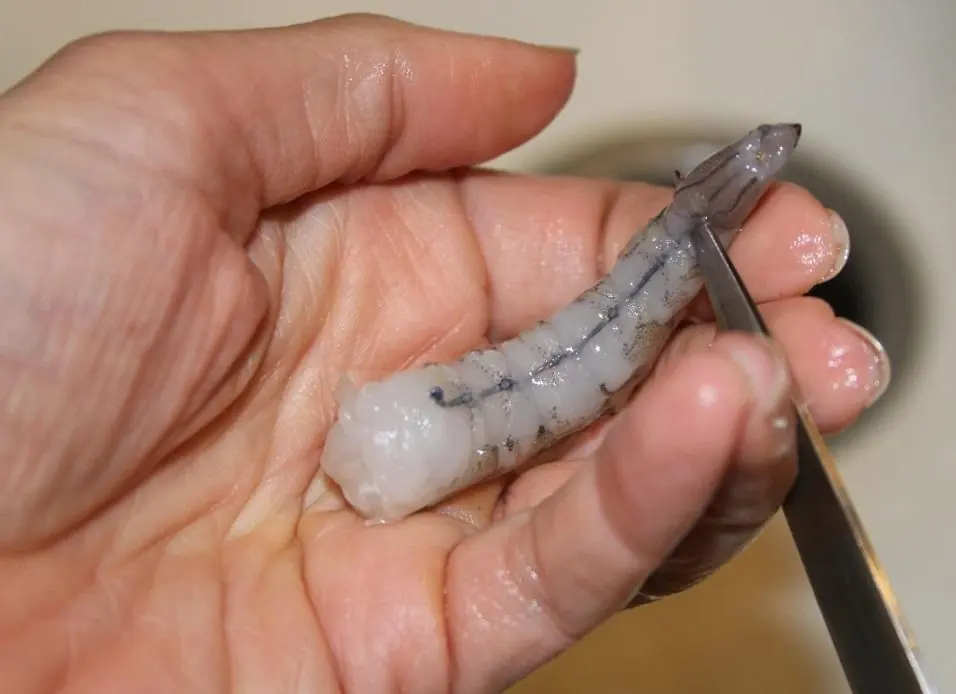
What Happens If You Eat the Dark Vein in Shrimp?

Want Tomatoes to Last Longer? Stop Doing This One Thing
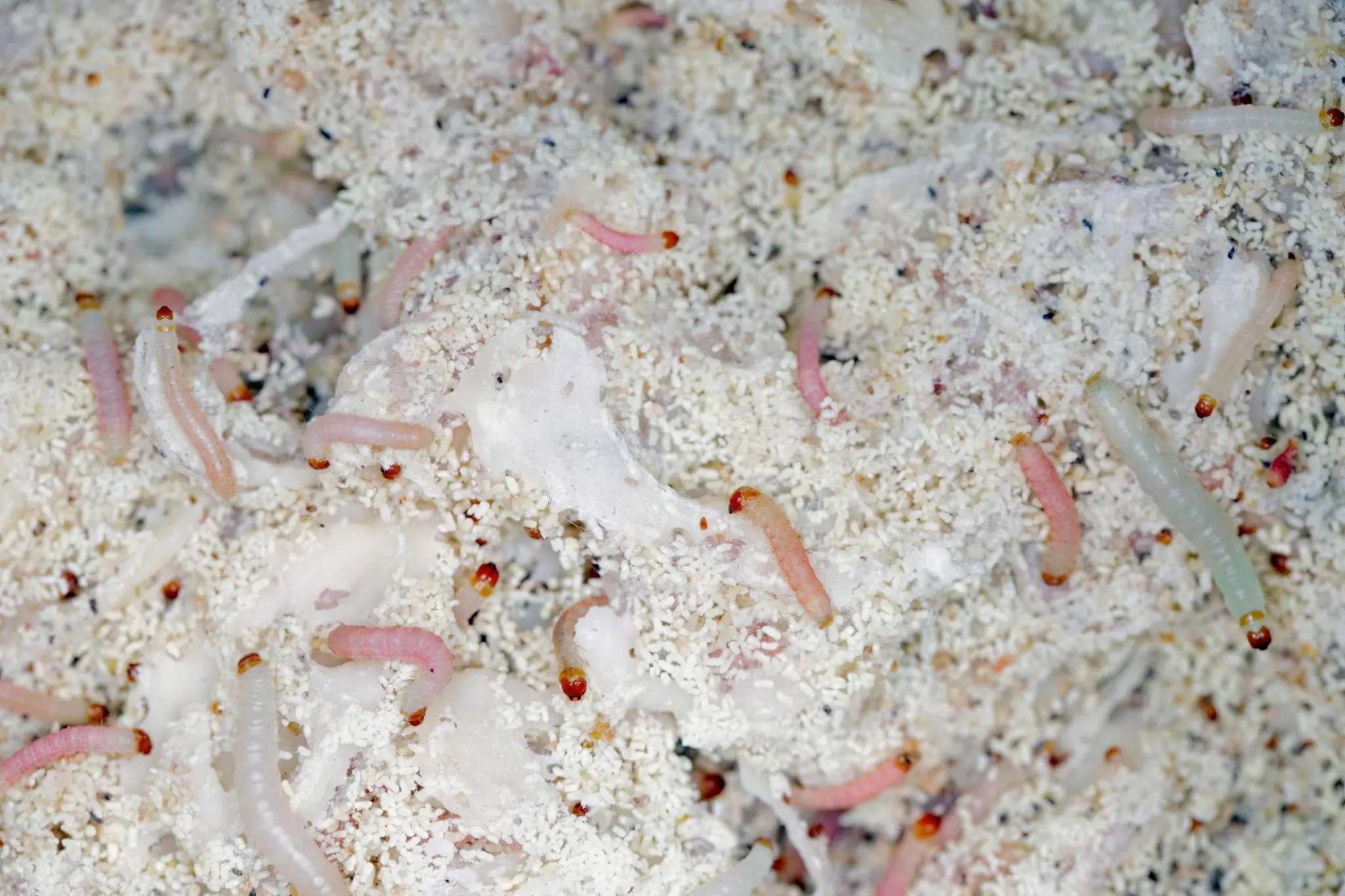
Found This Tiny Insect in Your Kitchen? Check Your Pantry Now
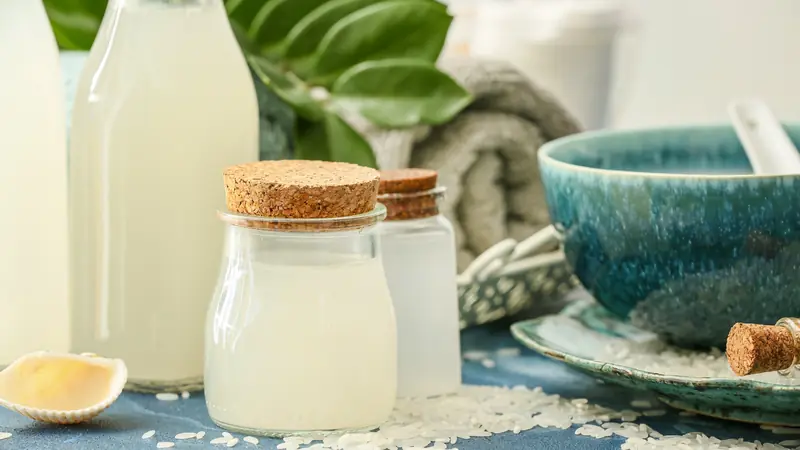
Rice Water for Your Skin: 5 Uses You Should Know About

Rinsing ground beef may seem helpful, but experts say it can do more harm.

The Salt Water Test Everyone Is Talking About—What It Really Shows
This simple bottle cap trick is surprising people everywhere.

The Hidden Reason Experts Recommend Unplugging These 5 Appliances 👇

The Watermelon Secret Most Shoppers Never Notice
The Meaning Goes Beyond Simple Pest Control
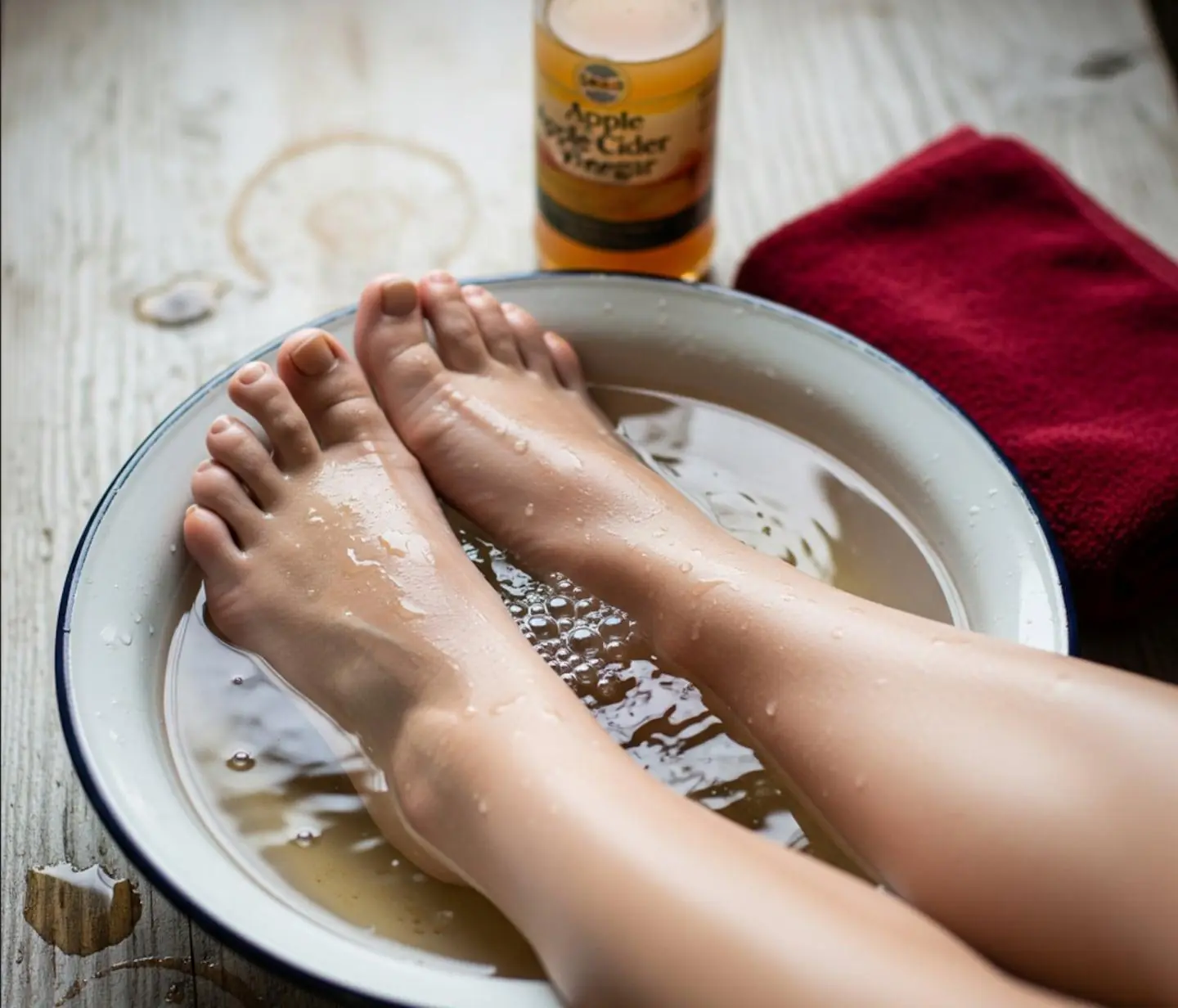
Soak your feet once a week—your feet may thank you for it.
10 Surprising Ways Lemon and Charcoal Can Be Used Around the House

The School Uniform Rule Many Students Don't Know

A Small Kitchen Habit Today Could Turn Into a Big Plumbing Problem Tomorrow

Wondering If Your Honey Is Authentic? Here's How to Check
The Real Reason Cockroaches Won't Leave Your House Alone.

Your Dog Keeps Sleeping in Your Bed? Here's the Real Reason

One Image, Two Interpretations—Which One Did You See?


These Early Symptoms of Pancreatic Can.cer Are Easy to Miss
🌱 The Remarkable Potential of Oregano Leaves That Deserves More Attention
👋 Your Hands Might Be Warning You About More Than Just Aging—Here's Why
🧐 Your Tongue Could Reveal More About Your Health Than You Think—Especially If It's White
One Small Shirt Detail Reveals a Fascinating Piece of History
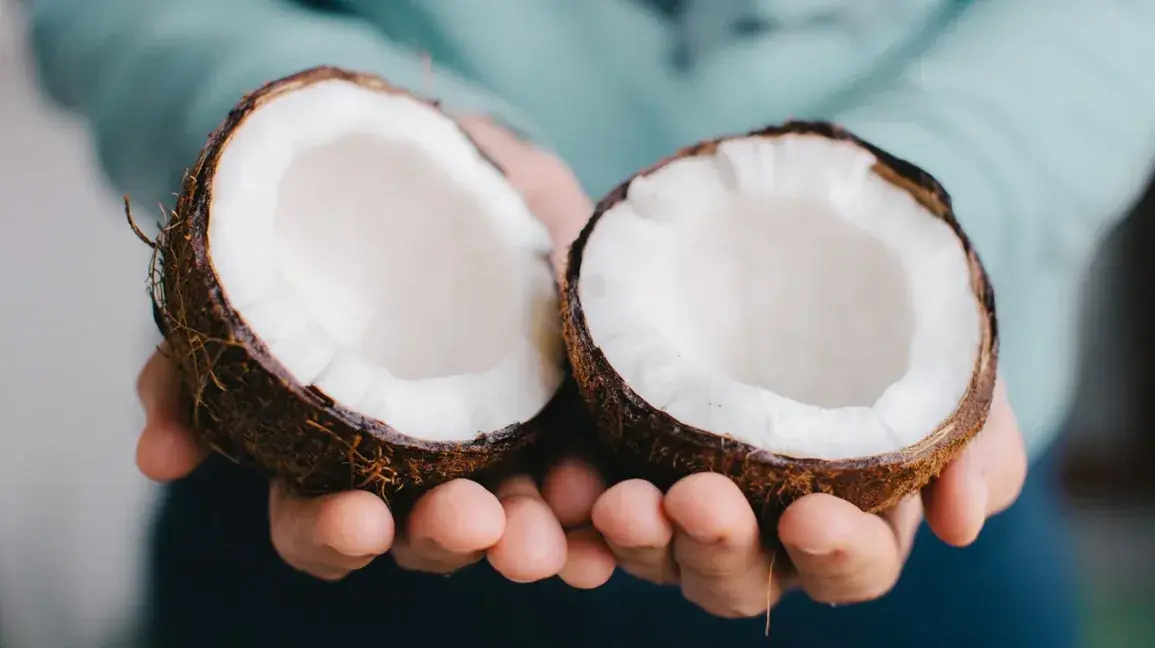
⚠️ Coconut Water Can Be Refreshing, But These 6 Groups Should Drink It With Caution
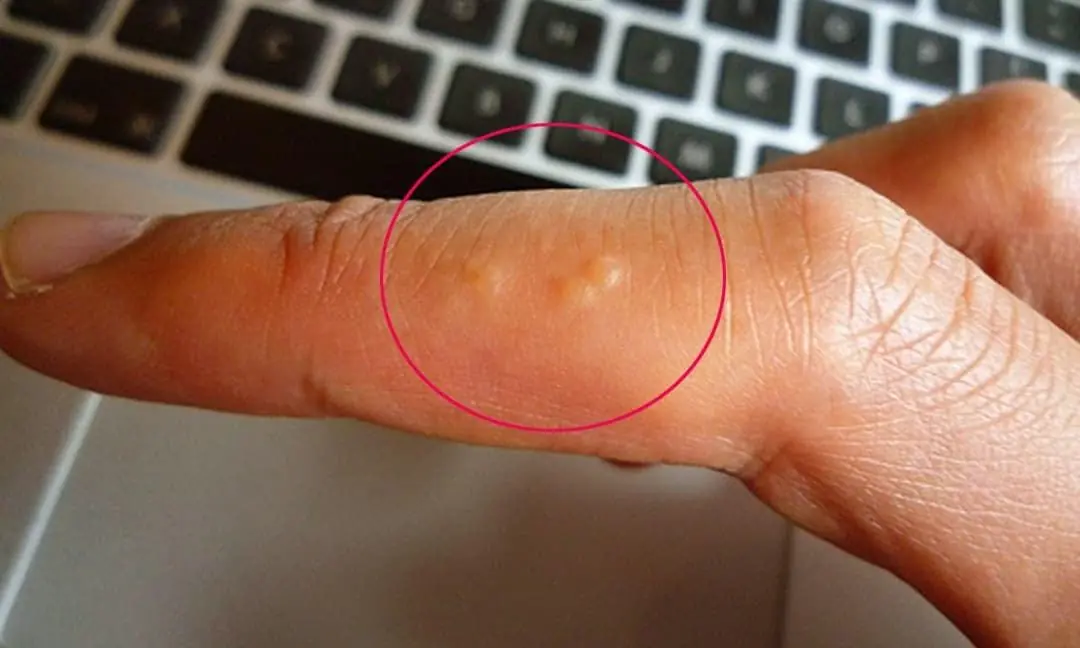
If Your Fingers Look Like This, It May Be Time to See a Doctor
What Happens If You Eat the Dark Vein in Shrimp?
Want Tomatoes to Last Longer? Stop Doing This One Thing
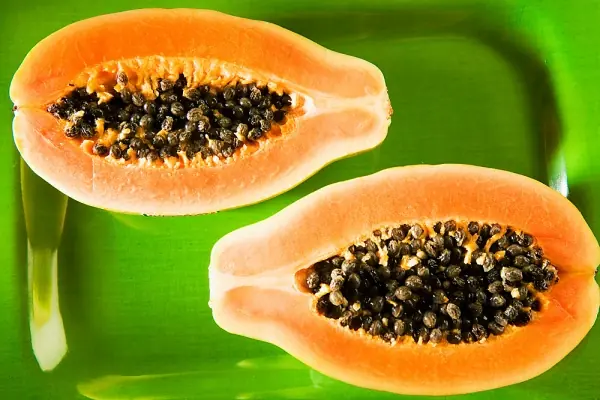
Are Papaya Seeds Good for You? Benefits, Uses, and Precautions

Breast size has been shrouded in cultural myths for centuries—from fertility symbols to markers of “femininity.”

Amazing Health Benefits of Chicken Feet You Should Know
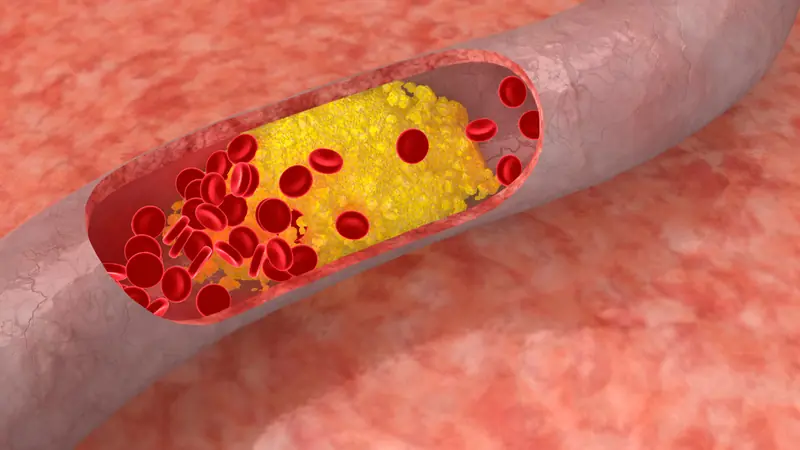
What Are the Signs of High Cholesterol? Here's What Medical Experts Say

I was in my late twenties, and I was cleaning my living room. I found some small, dark bugs in the cracks of my sofa. I was horrified. I thought they were bed bugs.
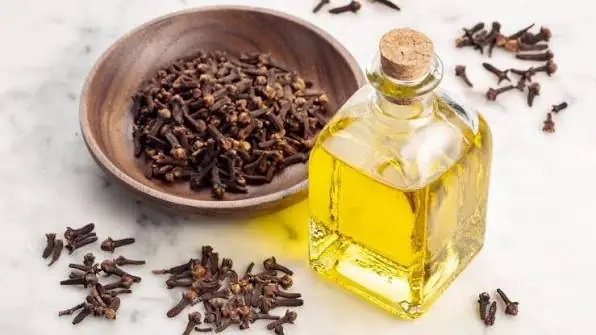
Cloves and Your Health: What Happens If You Eat One Daily?

Why Your Legs Cramp at Night (And How to Fix It)

Lemon Peel Tea: A Flavorful Beverage That May Benefit Your Health