10 Warning Signs of Pancreatic Can.cer You Should Never Ignore
These Early Symptoms of Pancreatic Can.cer Are Easy to Miss
Health 30/07/2026 00:03
When most people enjoy a ripe papaya, they scoop out the seeds and throw them away without a second thought. However, these small black seeds have gained attention in recent years as a potential "superfood," with social media claiming they can detox the body, eliminate parasites, promote weight loss, and even cure serious diseases.
While papaya seeds do contain nutrients and plant compounds that may offer certain health benefits, many of the claims circulating online are exaggerated or based primarily on laboratory or animal studies. Like many natural foods, papaya seeds can be part of a healthy diet when consumed in moderation—but they are not a miracle cure.
Here's what current research says about papaya seeds, their potential benefits, possible risks, and the safest ways to include them in your diet.

Papaya (Carica papaya) is a tropical fruit enjoyed around the world for its sweet flavor and rich nutritional profile.
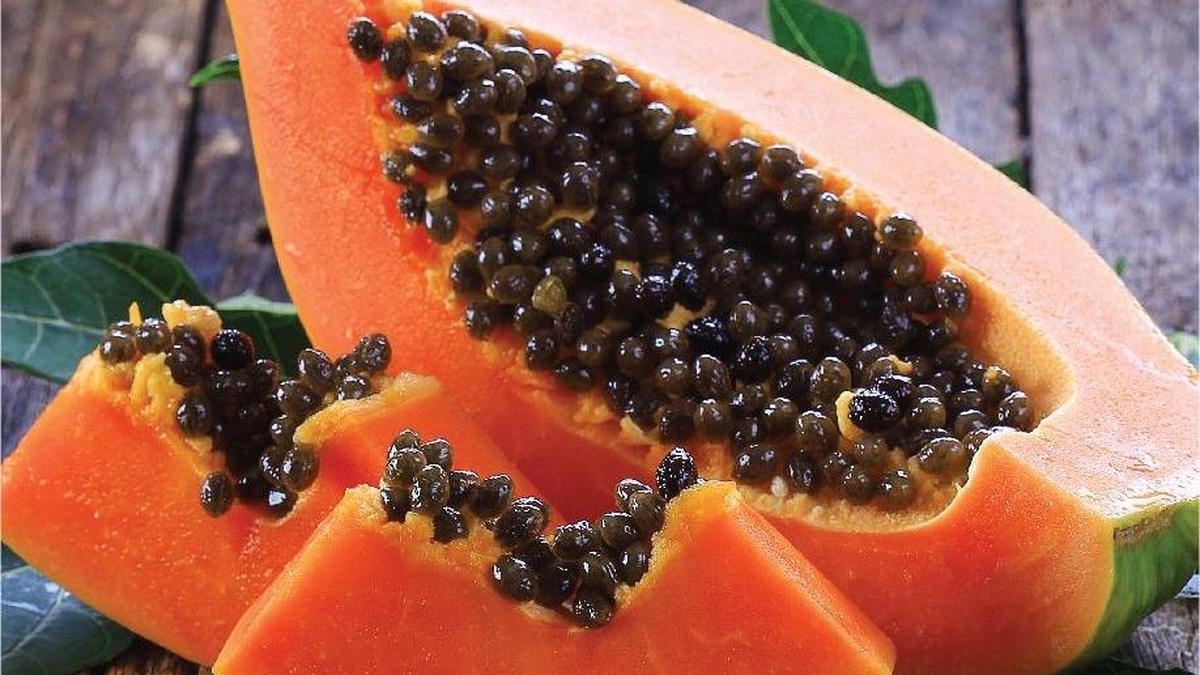
Inside every papaya are dozens or even hundreds of small, round black seeds.
These seeds have:
A slightly crunchy texture
A peppery, mildly bitter taste
A flavor that some people compare to black pepper or mustard
Although they are edible, their strong taste means they are usually eaten in small amounts.
Papaya seeds contain a variety of nutrients and naturally occurring plant compounds, including:
Dietary fiber
Healthy fats
Small amounts of protein
Polyphenols
Flavonoids
Antioxidants
They also contain bioactive compounds such as:
Benzyl isothiocyanate
Carpaine
Glucosinolates
Scientists continue to study these compounds for their possible effects on human health.
One of the best-supported benefits of papaya seeds is their antioxidant content.
Antioxidants help protect cells from oxidative stress caused by unstable molecules known as free radicals.
Oxidative stress has been linked to aging and many chronic diseases.
A diet rich in antioxidant-containing foods may help support:
Healthy aging
Cardiovascular health
Normal immune function
Overall cellular health
Papaya seeds are one of many plant foods that contribute antioxidant compounds to the diet.
Papaya seeds contain dietary fiber.
Fiber helps:
Support regular bowel movements
Promote healthy digestion
Feed beneficial gut bacteria
Increase feelings of fullness
Although papaya fruit provides considerably more fiber than the seeds alone, both can contribute to overall fiber intake.
Remember to increase fiber gradually and drink enough water to reduce the likelihood of digestive discomfort.
Laboratory studies have found that compounds in papaya seeds may inhibit the growth of certain bacteria and fungi under controlled conditions.
These findings are promising, but laboratory results do not necessarily translate into the same effects in the human body.
Eating papaya seeds should not be considered a substitute for prescribed antibiotics or antifungal medications when treating infections.
Some research suggests that the antioxidants and healthy fats found in papaya seeds may contribute to cardiovascular health as part of an overall balanced diet.
Healthy dietary patterns that include a variety of fruits, vegetables, nuts, seeds, and whole grains have consistently been associated with better heart health.
However, there is currently insufficient evidence to conclude that papaya seeds alone significantly lower cholesterol or prevent heart disease.
Papaya seeds contain several plant compounds that researchers believe may have anti-inflammatory properties.
Most of this research has been conducted in laboratory or animal studies.
Human studies remain limited, so more research is needed before firm conclusions can be drawn.
Certain compounds found in papaya seeds, particularly benzyl isothiocyanate, have attracted scientific interest because they have demonstrated activity against some cancer cells in laboratory experiments.
However, it is important to understand the difference between laboratory research and clinical medicine.
There is no reliable evidence that eating papaya seeds can prevent or treat cancer in humans.
Cancer prevention depends on many factors, including:
Not smoking
Maintaining a healthy weight
Regular physical activity
Limiting alcohol
Eating a balanced diet
Participating in recommended cancer screenings
In some cultures, papaya seeds have traditionally been used as a natural remedy for intestinal parasites.
A few small studies have explored this possibility, but the evidence is still limited and inconsistent.
If a parasitic infection is suspected, proper medical diagnosis and treatment remain essential.
Self-treating with papaya seeds instead of seeking medical care could delay effective treatment.
For most healthy adults, eating small amounts of papaya seeds occasionally is generally considered safe.
However, moderation is important.
Large quantities may increase the risk of digestive discomfort and other unwanted effects.
Because long-term safety has not been thoroughly studied, consuming excessive amounts regularly is not recommended.
Certain individuals should exercise extra caution.
Some compounds found in papaya seeds have raised concerns in animal studies regarding reproductive effects.
Although evidence in humans is limited, pregnant women are generally advised to avoid consuming large amounts of papaya seeds.
Some animal research suggests that high doses of papaya seed extracts may affect fertility.
Whether these findings apply to humans remains unclear, but people attempting to conceive may wish to avoid frequent or excessive consumption until more research is available.
Large amounts of papaya seeds may cause:
Stomach discomfort
Nausea
Diarrhea
Abdominal cramping
Starting with a small amount allows you to assess your tolerance.
If you would like to try papaya seeds, moderation is key.
Many people begin with about ½ to 1 teaspoon occasionally rather than consuming large quantities every day.
Possible ways to use them include:
Rinse the seeds thoroughly and chew them directly.
Be prepared for their peppery, slightly bitter flavor.
After washing and drying the seeds, grind them into a powder.
Use them as a seasoning similar to black pepper on:
Salads
Soups
Roasted vegetables
Grilled chicken
Fish
A small amount can be blended into fruit smoothies to soften their strong taste.
Ground papaya seeds can add a peppery flavor to vinaigrettes and marinades.
Papaya seed supplements are available in some markets.
However:
Their ingredients and concentrations vary widely.
They are not regulated to the same standards as prescription medications in many countries.
Scientific evidence supporting their routine use is limited.
If you are considering a supplement, discuss it with a healthcare provider—especially if you are pregnant, breastfeeding, have a chronic medical condition, or take prescription medications.
Reality: Your liver naturally detoxifies your body. There is no strong scientific evidence that papaya seeds enhance this process.
Reality: While traditional medicine and some preliminary studies suggest possible antiparasitic effects, papaya seeds should not replace medically recommended treatment for confirmed parasitic infections.
Reality: No high-quality human studies have shown that papaya seeds alone lead to significant weight loss. Sustainable weight management depends on overall diet, physical activity, sleep, and lifestyle habits.
Reality: Some compounds in papaya seeds have shown activity against cancer cells in laboratory studies, but this does not mean eating the seeds can prevent or treat cancer in people.
Reality: More is not always better. Large amounts may cause digestive upset, and the long-term effects of excessive consumption are not well understood.
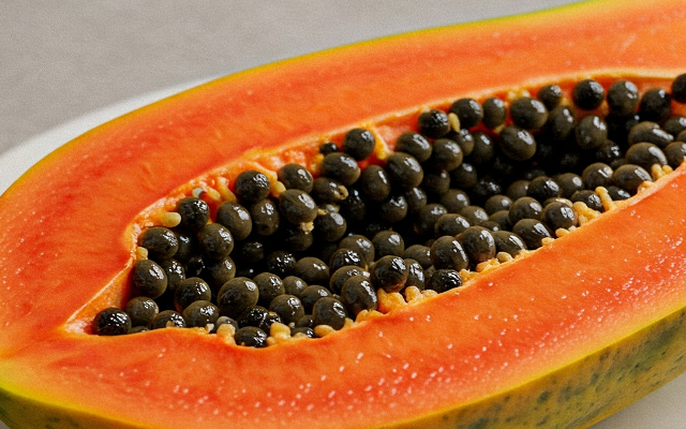
Papaya seeds are an edible part of the fruit that contain fiber, healthy fats, antioxidants, and a variety of naturally occurring plant compounds. Emerging research suggests they may support digestive health, contribute antioxidant benefits, and contain compounds with antimicrobial and anti-inflammatory potential.
However, many popular claims about papaya seeds—such as curing diseases, detoxifying the body, or replacing medical treatments—are not supported by strong human evidence. Most of the exciting findings come from laboratory or animal studies, and more clinical research is needed to understand how these compounds affect people.
If you enjoy the flavor, papaya seeds can be incorporated into your diet in small amounts as a seasoning or occasional ingredient. Combined with a balanced diet rich in fruits, vegetables, whole grains, lean proteins, and healthy fats, they may contribute to overall wellness—but they should not be viewed as a miracle food.
These Early Symptoms of Pancreatic Can.cer Are Easy to Miss
🌱 The Remarkable Potential of Oregano Leaves That Deserves More Attention
👋 Your Hands Might Be Warning You About More Than Just Aging—Here's Why

🧐 Your Tongue Could Reveal More About Your Health Than You Think—Especially If It's White
⚠️ Coconut Water Can Be Refreshing, But These 6 Groups Should Drink It With Caution
If Your Fingers Look Like This, It May Be Time to See a Doctor

Amazing Health Benefits of Chicken Feet You Should Know
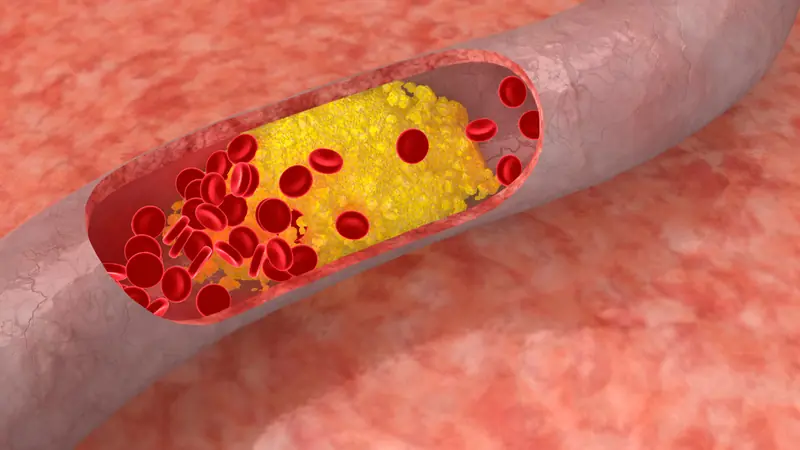
What Are the Signs of High Cholesterol? Here's What Medical Experts Say
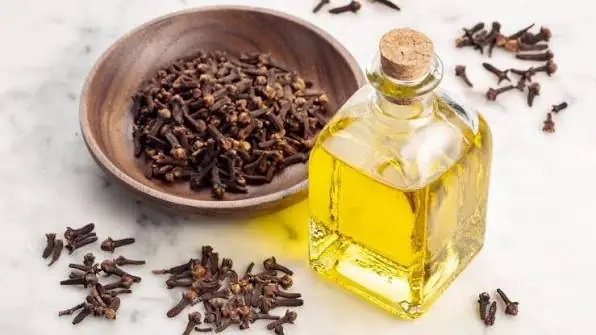
Cloves and Your Health: What Happens If You Eat One Daily?

Why Your Legs Cramp at Night (And How to Fix It)
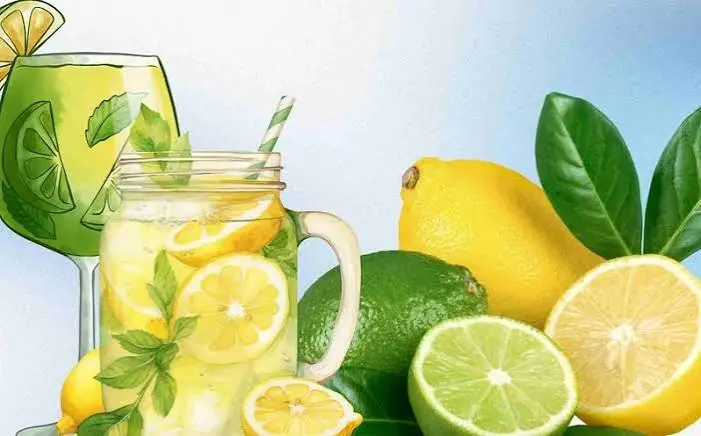
Lemon Peel Tea: A Flavorful Beverage That May Benefit Your Health

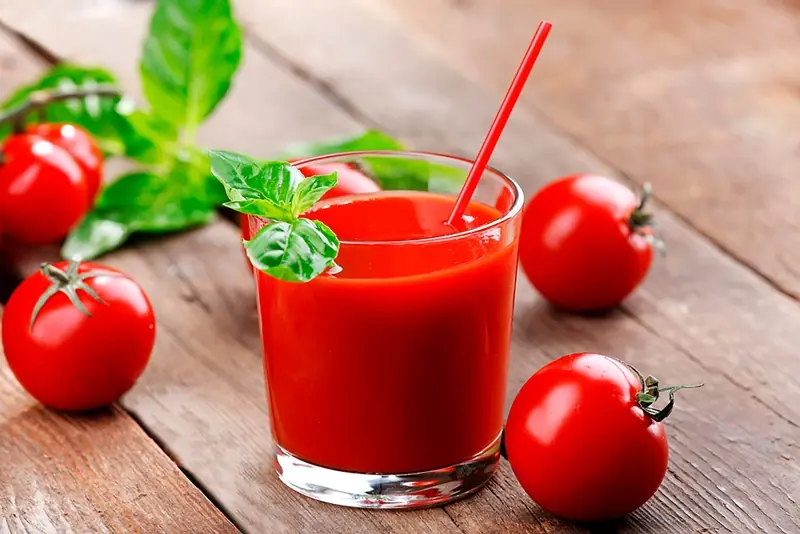
Why Some People Start Their Day With Tomato and Lemon Juice?


Don't Ignore These 5 Head and Face Symptoms That May Signal Liver Fibrosis
Cooking With Heart-Healthy Spices: What the Evidence Suggests

Want Healthier Nerves? These 9 Nutrients May Help

A persistent cough led doctors to discover a rare and life-threatening lung disorder.

A painful, red skin patch may require prompt medical attention.
👋 Your Hands Might Be Warning You About More Than Just Aging—Here's Why
🧐 Your Tongue Could Reveal More About Your Health Than You Think—Especially If It's White

One Small Shirt Detail Reveals a Fascinating Piece of History
⚠️ Coconut Water Can Be Refreshing, But These 6 Groups Should Drink It With Caution

How to Manage Toenail Fungus Naturally: Tips, Safety, and Medical Treatments
If Your Fingers Look Like This, It May Be Time to See a Doctor

What Happens If You Eat the Dark Vein in Shrimp?
Want Tomatoes to Last Longer? Stop Doing This One Thing

Breast size has been shrouded in cultural myths for centuries—from fertility symbols to markers of “femininity.”
Amazing Health Benefits of Chicken Feet You Should Know
What Are the Signs of High Cholesterol? Here's What Medical Experts Say

I was in my late twenties, and I was cleaning my living room. I found some small, dark bugs in the cracks of my sofa. I was horrified. I thought they were bed bugs.
Cloves and Your Health: What Happens If You Eat One Daily?
Why Your Legs Cramp at Night (And How to Fix It)
Lemon Peel Tea: A Flavorful Beverage That May Benefit Your Health
Why Some People Start Their Day With Tomato and Lemon Juice?