Not Many People Know the Warning Signs of a Heart Blockage That Appear in Your Feet and Legs at Night
When people think about heart disease, they usually imagine chest pain or shortness of breath. Very few realize that early warning signs of blocked blood vessels can appear first in the feet and legs, especially at night. These symptoms are often ignored because they seem minor, temporary, or unrelated to the heart.
Doctors warn that nighttime leg and foot symptoms may signal poor circulation caused by arterial blockages, a condition closely linked to heart attack and stroke.
What Does “Heart Blockage” in the Legs Really Mean?
So-called “heart blockage in the legs” usually refers to peripheral artery disease (PAD). This happens when fatty plaques build up inside arteries, narrowing them and reducing blood flow to the lower limbs.
PAD is not just a leg problem. It is a systemic vascular disease, meaning people with blocked leg arteries often also have blockages in the heart or brain.
Why Symptoms Appear at Night
Many people notice leg discomfort mainly at night because:
-
Blood pressure naturally drops during sleep
-
Circulation slows when the body is lying flat
-
Gravity no longer helps blood flow to the legs
As a result, reduced blood supply becomes more noticeable, causing pain or discomfort that may wake people from sleep.
Key Warning Signs in Feet and Legs at Night
1. Leg Pain or Cramping While Resting
One of the most common signs is deep aching, cramping, or burning pain in the calves, thighs, or feet that appears when lying down.
This pain may:
-
Wake you from sleep
-
Improve when you sit up or dangle your legs
-
Return once you lie flat again
This pattern is a classic sign of circulation problems.
2. Cold Feet That Don’t Warm Up
If your feet feel unusually cold at night, even under blankets, it may indicate insufficient blood flow. One foot feeling colder than the other is especially concerning.
Poor circulation prevents warm blood from reaching the extremities.
3. Numbness or Tingling Sensations
Pins-and-needles, numbness, or a “dead” feeling in the feet or toes at night can occur when nerves are deprived of oxygen-rich blood.
These sensations should not be dismissed as simple fatigue, especially when they happen repeatedly.
4. Changes in Skin Color or Texture
Blocked arteries can cause visible skin changes, including:
-
Pale or bluish coloration
-
Shiny or thin skin
-
Darkened patches
These changes may become more noticeable at night or upon waking.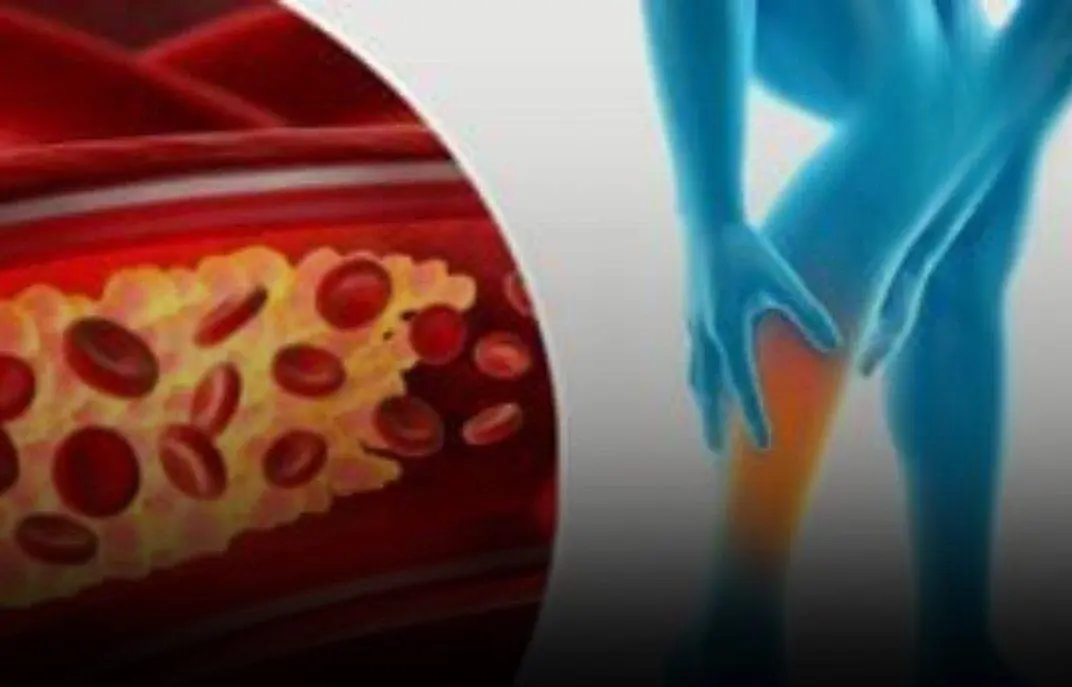
5. Slow-Healing Cuts or Sores
Poor blood flow means less oxygen and nutrients reach the skin. As a result, small wounds or cracks on the feet heal very slowly, or not at all.
Non-healing sores are a serious sign of advanced circulation problems.