Meaning of wearing a ring on the left and right thumb
Facts 22/12/2025 09:44
Many people assume that refrigeration is the safest and most effective way to keep food fresh for as long as possible. While the refrigerator is essential for preserving many perishable items, it is not a one-size-fits-all solution. In fact, storing certain foods in the fridge can actually shorten their shelf life, damage their texture and flavor, and in some cases even reduce their nutritional value.
Understanding which foods should stay out of the refrigerator can help you waste less food, protect your health, and enjoy better taste and quality. Below are five common foods that are often stored incorrectly - and why they are better kept outside the fridge.
Chocolate is one of the most commonly refrigerated foods, yet it is one of the least suited for cold storage. When chocolate is exposed to low temperatures and high humidity, the sugar and fat within it begin to separate. As moisture forms on the surface, the sugar dissolves and then recrystallizes as it dries, creating a chalky white coating known as “sugar bloom.”
While this white layer does not necessarily make chocolate unsafe to eat, it significantly affects its appearance, texture, and flavor. Refrigeration can also cause condensation when the chocolate is brought back to room temperature, which may lead to mold growth and a dull, stale taste.
Proper storage:
Chocolate should be stored in a cool, dry place away from sunlight, ideally at a temperature between 5–18°C (41–64°F). Keep it tightly wrapped to prevent it from absorbing odors.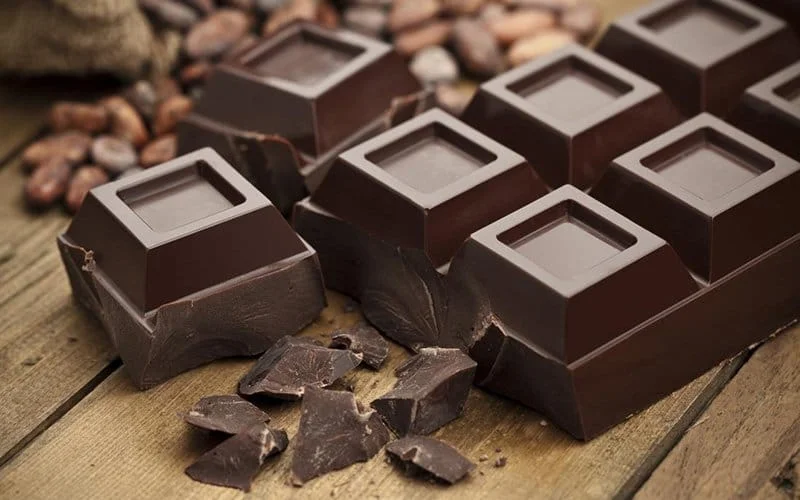
Many people refrigerate potatoes in an attempt to prevent sprouting, but this practice can do more harm than good. Cold temperatures trigger a chemical reaction that converts the starch in potatoes into sugar. While this may not be noticeable at first, it becomes a problem when potatoes are cooked.
When potatoes with higher sugar content are fried or baked at high temperatures, they can produce acrylamide, a substance that research suggests may be harmful when consumed in large amounts over time. Refrigeration also alters the texture of potatoes, making them gritty or unpleasant.
Proper storage:
Store potatoes in a cool, dark, and dry place with good ventilation, such as a pantry or cupboard. Keep them away from onions, which release gases that can cause potatoes to spoil faster.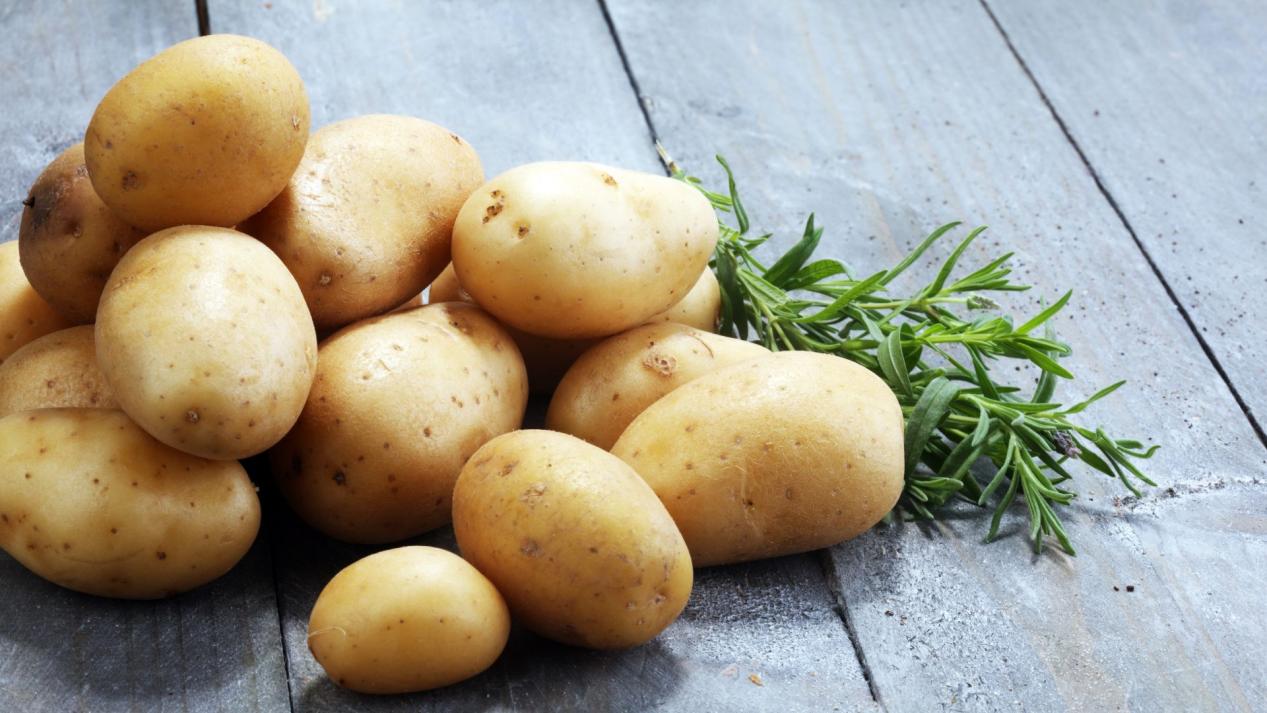
It may seem logical to refrigerate nuts to extend their shelf life, but refrigeration can expose them to excess moisture. Nuts are rich in natural oils, which are sensitive to humidity. When stored in a cold, damp environment, nuts are more likely to develop mold. Some molds produce aflatoxins, which are highly toxic and harmful to human health.
Additionally, improper storage can cause the oils in nuts to oxidize, leading to a rancid smell and bitter taste, reducing both quality and nutritional benefits.
Proper storage:
Keep dried nuts in airtight containers in a cool, dry place away from light and humidity. For long-term storage, vacuum-sealed bags or tightly sealed jars work best.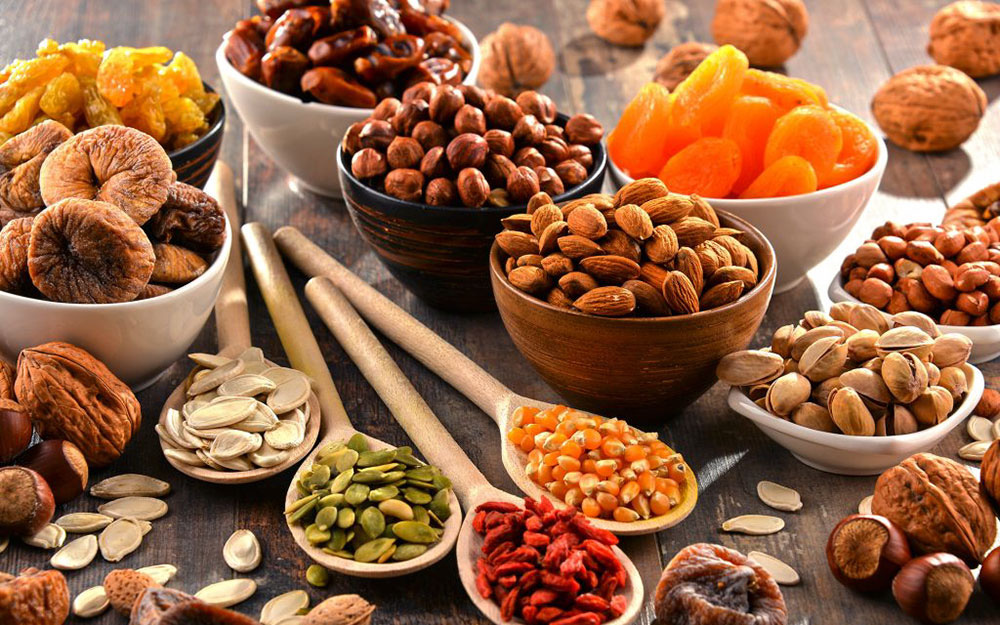
Tropical fruits are naturally adapted to warm environments and do not tolerate cold temperatures well. Refrigeration damages their cell structure, leading to rapid browning, mushy texture, and flavor loss. This is why bananas turn black so quickly when placed in the fridge—the cold interrupts their natural ripening process.
While refrigeration may slow visible ripening, it accelerates internal spoilage, leaving the fruit unpleasant to eat.
Proper storage:
Store tropical fruits at room temperature in a well-ventilated area. Consume them when ripe to enjoy their full flavor and nutritional value. If the fruit is already cut, refrigeration is acceptable - but only in airtight containers and for short periods.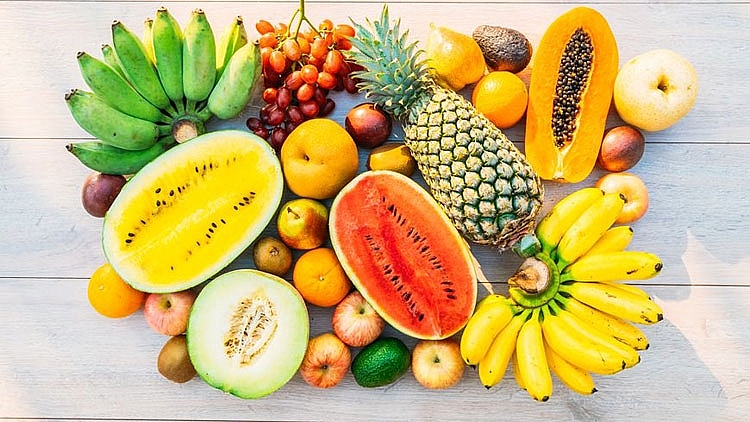
Although strawberries are often placed in the refrigerator, they are extremely sensitive to moisture. Cold air causes condensation to form on their surface, which softens the fruit and encourages mold growth. Even when refrigerated, strawberries can spoil within one to two days if exposed to moisture.
Refrigeration is only helpful if strawberries are completely dry and eaten soon. Otherwise, the fridge may actually speed up spoilage.
Proper storage:
Keep strawberries dry and store them in a cool, well-ventilated place. Do not wash them until just before eating. If refrigeration is necessary, line the container with paper towels to absorb excess moisture.
Refrigeration is a powerful tool for food preservation - but only when used correctly. Storing the wrong foods in the fridge can lead to faster spoilage, unpleasant taste changes, and even potential health risks. By understanding how different foods respond to temperature and humidity, you can make smarter storage choices.
Proper food storage not only helps you save money and reduce waste, but also ensures that the food you serve your family remains safe, nutritious, and enjoyable. Sometimes, keeping food fresh means keeping it out of the fridge.