Waking up occasionally during the night is normal. However, frequently waking up between 3 and 4 a.m. may be more than just poor sleep. According to health experts, this pattern can be an early warning sign of underlying health issues that often go unnoticed.
If the problem persists for weeks or months, it should not be ignored.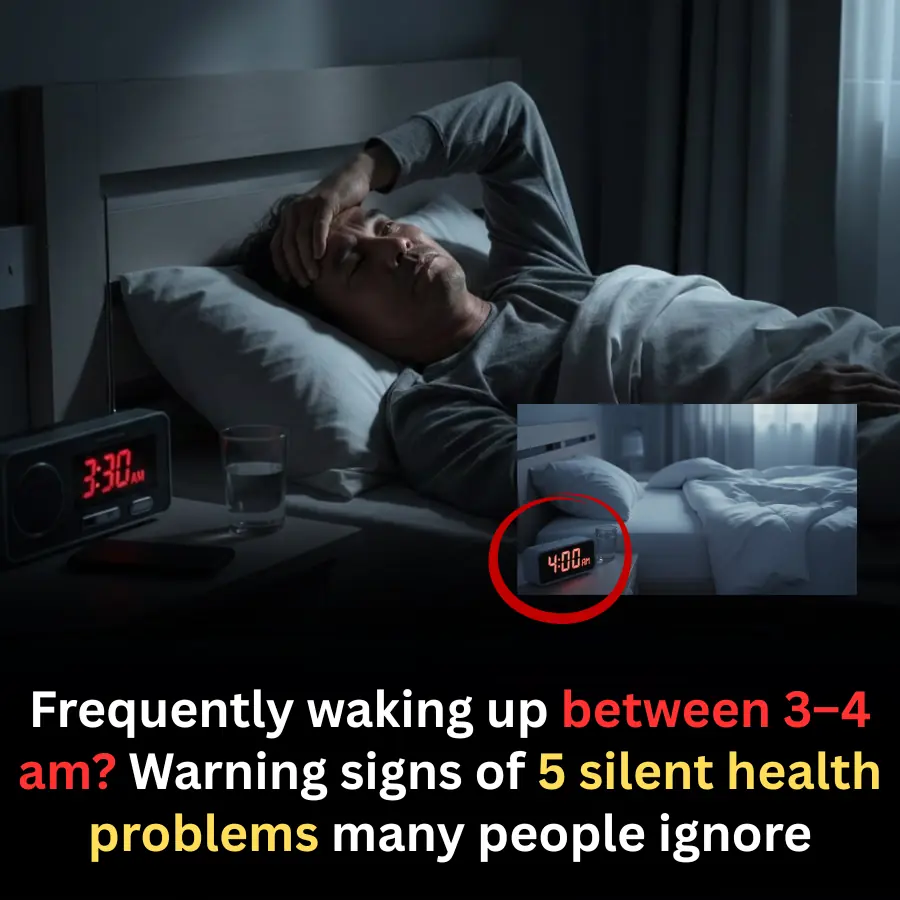
1. Liver stress or impaired detoxification
Traditional medicine and modern research both suggest that the liver is most active in detoxification during the early morning hours. Regularly waking at this time may indicate liver overload caused by alcohol, fatty foods, late-night eating, or chronic medication use.
2. Hormonal imbalance
The sleep-wake cycle is tightly regulated by hormones such as cortisol and melatonin. Disruptions in these hormones—often linked to stress, irregular sleep schedules, or adrenal fatigue—can cause early-morning awakenings.
3. Chronic stress and anxiety
Mental stress is one of the most common reasons for waking between 3–4 a.m. Elevated cortisol levels during the night keep the brain alert, making it difficult to stay asleep. Many people dismiss this as “overthinking,” but long-term stress can seriously affect cardiovascular and immune health.
4. Blood sugar instability
Low blood sugar during the night can trigger the release of stress hormones, causing sudden awakenings. This is more common in people with diabetes, insulin resistance, or those who skip meals or eat too little in the evening.
5. Early signs of sleep disorders
Frequent early awakenings may also signal insomnia, sleep apnea, or circadian rhythm disorders. Left untreated, these conditions increase the risk of hypertension, stroke, depression, and cognitive decline.
When should you see a doctor?
If waking up at the same time every night is accompanied by fatigue, irritability, headaches, digestive problems, or mood changes, medical evaluation is recommended. Early detection helps prevent long-term complications.
Improving sleep hygiene, managing stress, maintaining balanced meals, and limiting alcohol and late-night screen use can significantly improve sleep quality. Persistent sleep disruption should never be considered “normal.”