If These 4 Foods at Home Start Sprouting, Don’t Throw Them Away: They’re Not To.xic—They’re Even More Nutritious!
Some foods produce toxins when they sprout, but surprisingly, many others actually double or even multiply their nutritional value. So how do you know which ones are safe and beneficial?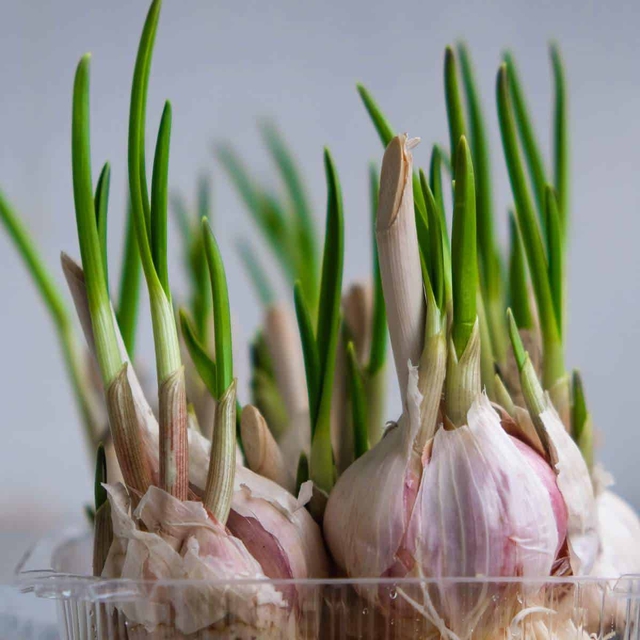
When foods start sprouting, most people immediately worry that they’ve gone bad, lost flavor, or become toxic. However, this isn’t always true. In fact, the following familiar foods are not only safe after sprouting, but also significantly more nutritious.
1. Garlic
Many people mistakenly believe that sprouted garlic is toxic and should be discarded, but the reality is quite the opposite. Sprouted garlic is completely safe to eat and even more nutritious than regular garlic.
Research shows that the antioxidant content in sprouted garlic can be twice as high as that of unsprouted garlic, peaking around the fifth day after sprouting. These antioxidants help enhance cancer-fighting potential and slow down the aging process.
Additionally, garlic sprouts and garlic scapes are rich in dietary fiber, vitamins A and C, and carotene. They also retain strong anti-inflammatory and antibacterial properties comparable to regular garlic cloves. As long as the garlic is not moldy or discolored, it can be safely cooked and consumed—especially when heated, which further enhances safety and health benefits.
2. Soybeans and Mung Beans
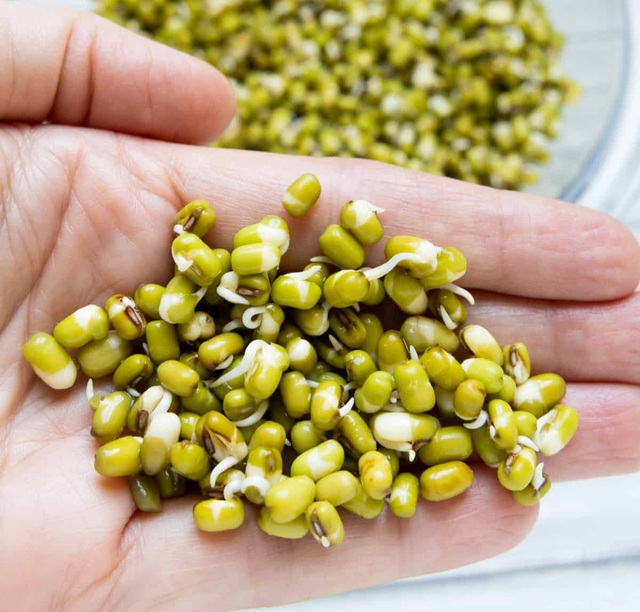
When soybeans and mung beans sprout, they become soybean sprouts and mung bean sprouts, which are easy to prepare and highly nutritious.
During the sprouting process, the content of free amino acids increases rapidly—from 0.35 g/100 g initially to 0.5 g after one day, reaching 1.5 g by the fifth day. Plant-based protein levels also rise significantly, while hard-to-digest substances decrease, making these sprouts much easier for the body to digest.
Sprouting also boosts vitamins C and E, and especially isoflavones, which help support female hormonal balance in soybean sprouts. In addition, bean sprouts contain riboflavin, which helps slow cellular aging, reduce inflammation, and prevent oral health issues. However, it’s best to avoid rootless bean sprouts, as they may contain chemical residues from cultivation.
3. Brown Rice
When brown rice sprouts, it activates a series of enzymes such as amylase, protease, and oxidoreductase, which convert nutrients into forms that are easier to digest and absorb.
This process significantly enhances nutritional value and increases levels of vitamins A, B, E, niacin, and pantothenic acid. More importantly, minerals like calcium and magnesium—normally difficult to absorb—are released when the enzyme phytase breaks down phytic acid.
As a result, sprouted brown rice allows the body to absorb valuable nutrients far more efficiently than regular brown rice, making it an excellent choice for a healthy diet.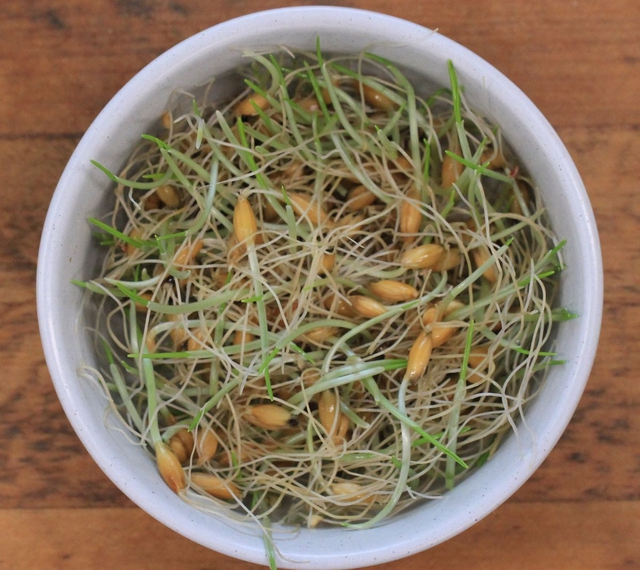
4. Oats
Sprouted oats not only retain their original nutrients but also activate digestive enzymes such as amylase and protease, helping the body absorb carbohydrates and protein more easily.
Sprouting breaks down phytic acid, which normally interferes with mineral absorption, thereby improving the body’s ability to absorb zinc, magnesium, and iron from oats.
Even more impressively, sprouted oats significantly increase avenanthramides, powerful antioxidants known for reducing inflammation, supporting heart health, and slowing aging. Levels of B vitamins—especially B1 and B6—as well as vitamin E also rise noticeably after sprouting.
Because of these benefits, sprouted oats are an excellent choice for vegetarians, people recovering from illness, or anyone following a clean and healthy eating plan.
Bottom line: Not all sprouted foods are dangerous. When chosen correctly, sprouted garlic, beans, brown rice, and oats can offer far greater nutritional benefits than their unsprouted counterparts—so don’t rush to throw them away!