Two Fruits That Can.cer Cells “Love”: Read This to Know What to Avoid
Health 19/12/2025 01:17
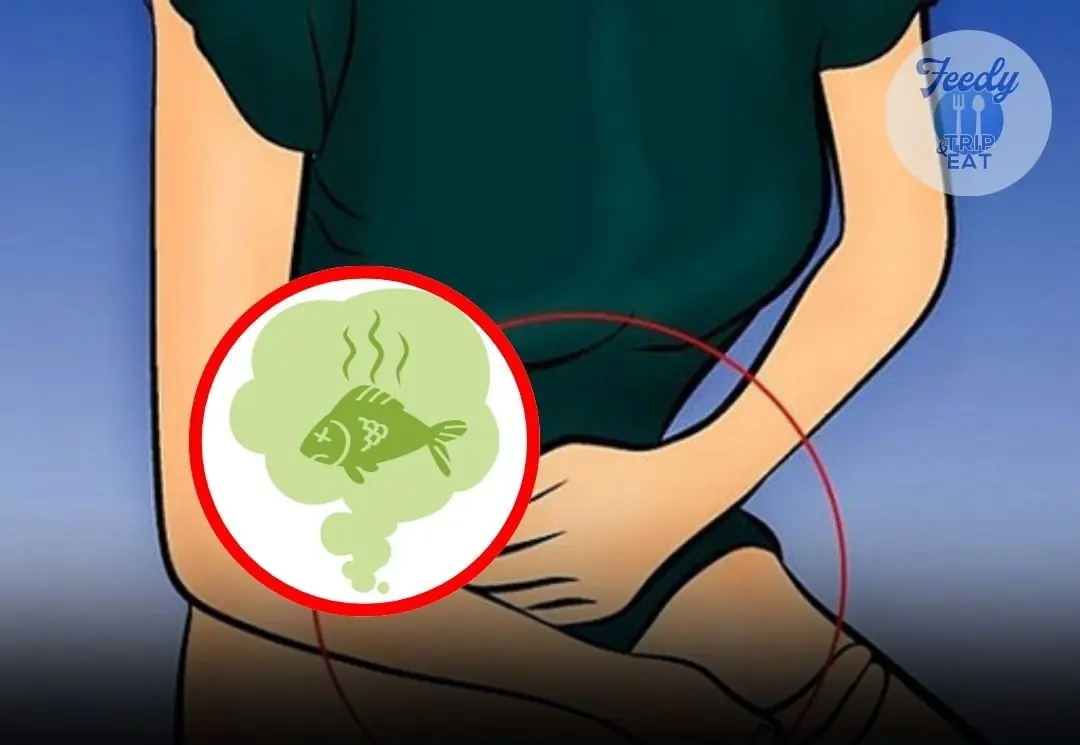
A “Scandalous” Discovery: Why Intimate Areas Can Smell Like Fish — and What Your Body Is Trying to Tell You
A fishy smell coming from intimate areas is often treated as embarrassing or taboo, but doctors say it is actually a common medical signal, not a personal hygiene failure. While social media often exaggerates the issue, science provides clear explanations for why this odor happens and, more importantly, when it should not be ignored.
Understanding the cause can help prevent unnecessary shame and guide people toward the right solution.
One of the biggest misconceptions is that a fishy odor means poor hygiene. In reality, over-washing or using harsh soaps can make the problem worse.
The intimate area, especially in women, is designed to maintain a delicate natural balance of bacteria and pH. When this balance is disrupted, odor can appear—even in people who are very clean.
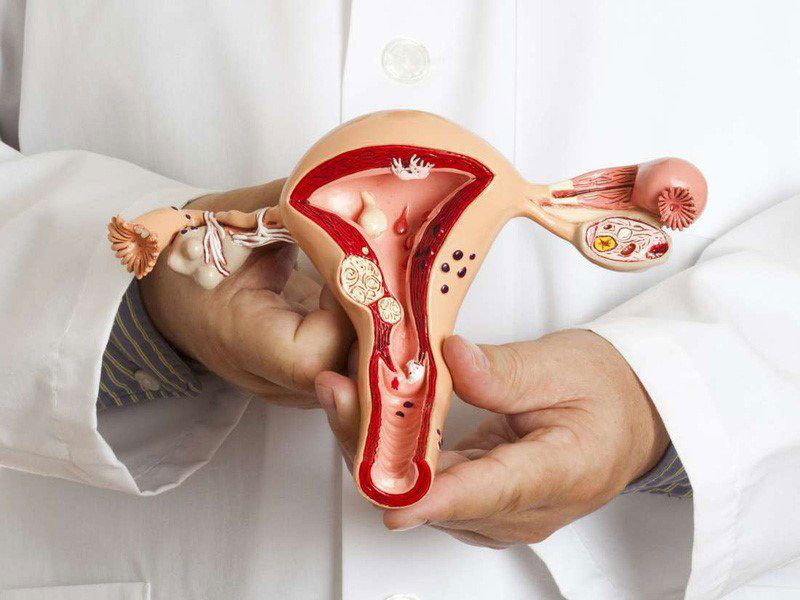
The number one medical reason for a fishy smell is bacterial vaginosis (BV).
BV happens when:
“Good” bacteria decrease
“Bad” bacteria multiply
Vaginal pH becomes less acidic
This imbalance allows bacteria to release amines, chemicals that produce a strong fish-like odor, especially noticeable after sweating or intimacy.
Important facts doctors emphasize:
BV is not a sexually transmitted infection, though sexual activity can trigger it
It can happen to people of any age
Many people with BV feel no pain at all
The odor often becomes more noticeable:
After intimacy
During menstruation
After heavy sweating
When wearing tight, non-breathable clothing
These situations change moisture levels and pH, allowing odor-causing compounds to become more intense.
While BV is the most common explanation, doctors also consider other conditions.
1. Yeast Infections (Less Common for Fishy Smell)
Yeast infections usually cause a bread-like odor, but mixed infections can produce unusual smells.
2. Sexually Transmitted Infections
Certain infections, such as trichomoniasis, can cause a strong odor along with discharge and irritation.
3. Retained Foreign Objects
Tampons or menstrual products accidentally left inside can cause a very strong, unpleasant odor and require immediate medical removal.
4. Hormonal Changes
Pregnancy, menopause, or stress can alter bacterial balance and odor.
Doctors increasingly acknowledge that diet affects body odor, including intimate areas.
Foods linked to stronger odors include:
Fish and seafood
Garlic and onions
Highly processed foods
Excess sugar
At the same time, dehydration concentrates bodily secretions, making smells stronger.
Many people turn to douching or scented products, believing they will solve the problem. Medical professionals strongly warn against this.
Douching:
Washes away protective bacteria
Raises infection risk
Prolongs odor problems
Increases recurrence of BV
The intimate area is self-cleaning. External washing with mild, unscented soap is enough.
Doctors advise seeking medical care if:
The smell persists more than a few days
There is unusual discharge
Itching, burning, or pain appears
The odor returns repeatedly
Diagnosis is usually simple and treatment often involves short-term antibiotics or targeted medication, with high success rates.
Untreated bacterial imbalance can increase the risk of:
Pelvic infections
Pregnancy complications
Increased susceptibility to other infections
Early treatment is not only effective—it is protective.