 \
\A Simple “Finger Test” at Home: Can It Really Detect Early Signs of Lung Cancer?
Lung cancer is one of the most dangerous cancers precisely because it often develops silently. In its early stages, many people experience few or no obvious symptoms, and by the time coughing, chest pain, or shortness of breath appear, the disease may already be advanced. This is why there has been growing interest in a so-called “finger test” that people can perform at home to spot a possible early warning sign.
While this test is not a diagnostic tool, understanding what it looks for can help raise awareness and encourage timely medical check-ups.
What Is the “Finger Test”?
The finger test commonly refers to checking for a physical sign known as finger clubbing. This condition causes changes in the shape of the fingers and fingernails and has long been associated with lung diseases, including lung cancer.
A simple version of the test involves placing the nails of your two index fingers together, nail to nail. In healthy fingers, a small diamond-shaped gap (called the Schamroth window) is visible between the nails. When finger clubbing is present, this gap disappears.
This observation has led to widespread claims that a quick finger test can reveal early lung cancer risk.
What Is Finger Clubbing?
Finger clubbing occurs when the tissue under the fingernails thickens, causing the nails to curve downward and the fingertips to appear swollen or bulbous. Over time, the nails may become shiny and spongy to the touch.
Doctors believe this happens due to chronic low oxygen levels or abnormal blood flow, which stimulate tissue growth in the fingertips. Lung cancer, particularly advanced or aggressive types, can disrupt oxygen exchange and trigger this response.
However, it is important to understand that clubbing does not happen overnight. It develops gradually and usually reflects a long-standing underlying condition.
How Lung Cancer Is Linked to Finger Clubbing
Research shows that finger clubbing occurs in a minority of lung cancer patients, most commonly those with non-small cell lung cancer. The exact mechanism is not fully understood, but it is thought that tumors release substances into the bloodstream that affect blood vessels and connective tissue in the fingers.
That said, most people with early lung cancer do not have finger clubbing. This means the absence of clubbing does not rule out cancer, and its presence does not confirm it.
Other Conditions That Can Cause Clubbing
One of the biggest dangers of relying on the finger test alone is that finger clubbing is not specific to lung cancer. It can also be caused by:
-
Chronic lung diseases such as bronchiectasis or pulmonary fibrosis
-
Congenital heart disease
-
Inflammatory bowel diseases
-
Liver disease
-
Certain infections
This is why medical professionals caution against treating the finger test as a standalone screening method.
Why the Finger Test Still Matters
Despite its limitations, the finger test has value as a warning signal. It encourages people to pay closer attention to their bodies and to changes that may otherwise go unnoticed.
If finger clubbing appears alongside symptoms such as:
-
Persistent cough
-
Unexplained weight loss
-
Chest pain
-
Shortness of breath
-
Fatigue
then the need for medical evaluation becomes more urgent.
What the Finger Test Cannot Do
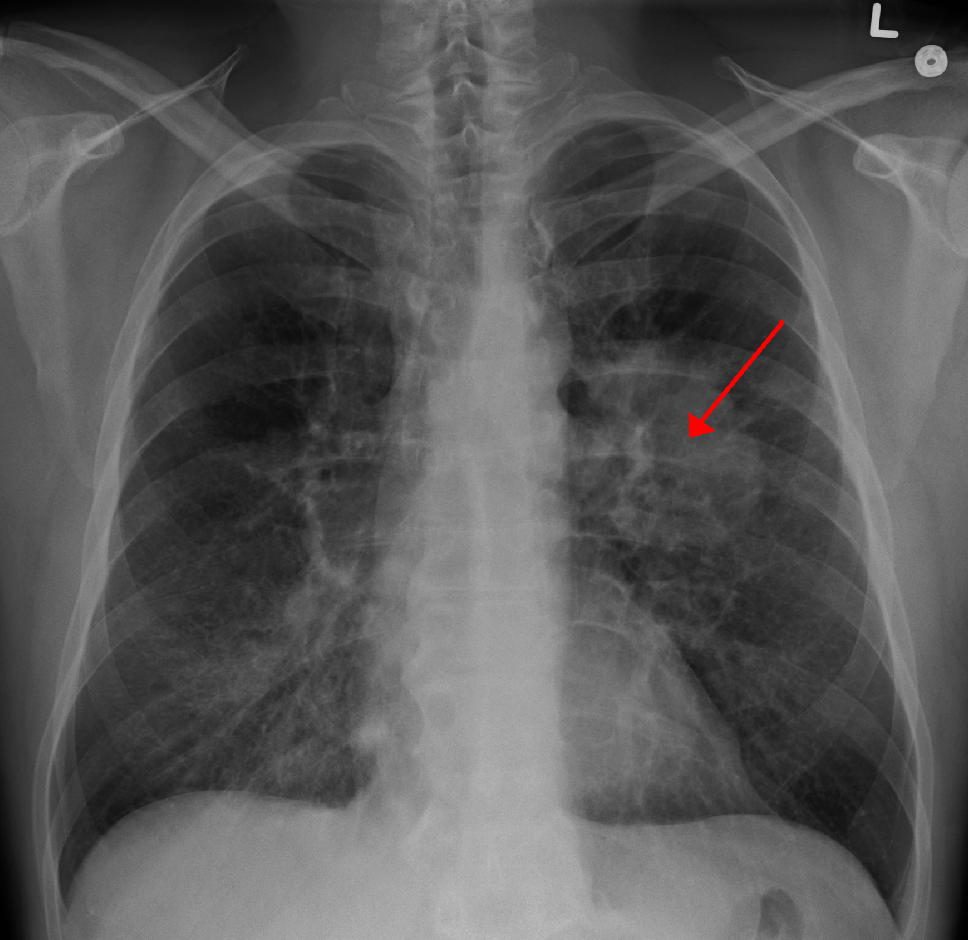
It is critical to be clear: the finger test cannot diagnose lung cancer, nor can it reliably detect early-stage disease on its own. Lung cancer diagnosis requires imaging tests such as chest X-rays, CT scans, and sometimes biopsies.
Relying solely on home tests can delay proper diagnosis and treatment, which is dangerous given how quickly lung cancer can progress.
Who Should Be Especially Vigilant
Certain groups should pay extra attention to lung health, regardless of finger test results:
-
Smokers and former smokers
-
People exposed to secondhand smoke
-
Individuals exposed to air pollution or occupational chemicals
-
Those with a family history of lung cancer
For these individuals, regular medical screening is far more reliable than any visual test.
When to See a Doctor
You should seek medical advice if:
-
You notice changes in finger or nail shape
-
The “diamond gap” disappears and stays absent
-
Clubbing develops gradually over weeks or months
-
You have respiratory symptoms or unexplained fatigue
Doctors can determine whether the changes are harmless or require further investigation.

Final Thoughts
The idea of a simple finger test detecting lung cancer is appealing, but it must be viewed realistically. Finger clubbing is a possible clue, not a conclusion. It can act as an early warning sign that something in the body is not right, but it cannot replace professional screening or diagnosis.
The true value of the finger test lies in awareness. If it prompts someone to seek medical advice earlier than they otherwise would, it may indirectly help save lives. When it comes to lung cancer, early attention—not self-diagnosis—is what truly makes the difference.