
Doctors Warn: If You Notice These Tiny Red Dots on Your Arm or Hand, Do Not Ignore the Warning Signs
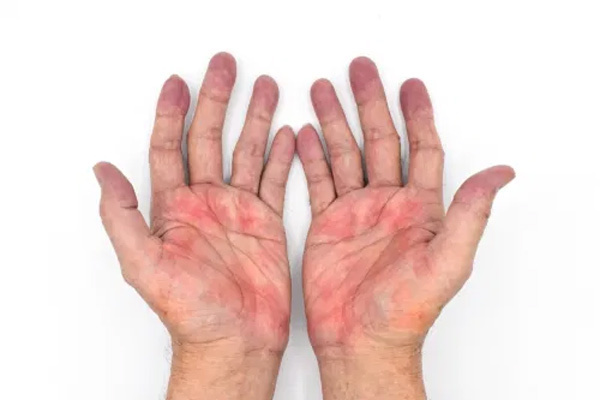
Tiny red dots appearing on the arms or hands are easy to overlook. Many people assume they are harmless rashes, insect bites, or minor skin irritation. However, doctors warn that certain types of small red spots can be early signals of underlying health issues, some of which require timely medical attention. While not every red dot is dangerous, understanding what your skin may be trying to tell you is essential.
What Are These Tiny Red Dots?
Small red dots on the skin are commonly referred to as petechiae, purpura, or angiomas, depending on their size and cause. They often appear flat, do not itch, and do not fade when pressed. Unlike typical rashes, these dots are usually caused by bleeding under the skin or changes in blood vessels, not surface irritation.
Doctors emphasize that the key concern is persistence, spread, and accompanying symptoms, rather than appearance alone.
Petechiae: A Possible Blood-Related Signal
Petechiae are tiny, pinpoint-sized red or purple dots caused by broken capillaries. They may appear suddenly and often cluster together.
Possible underlying causes include:
-
Low platelet count
-
Blood clotting disorders
-
Certain viral or bacterial infections
-
Reactions to medications
-
Autoimmune conditions
Petechiae that appear without injury and do not fade within a few days should be evaluated promptly, especially if they spread or are accompanied by fatigue or fever.
Purpura: Larger Spots That Deserve Attention
Purpura are larger than petechiae and may look like bruises. They often indicate blood vessel fragility or clotting abnormalities.
Doctors often see purpura in people with:
-
Vitamin C deficiency
-
Long-term steroid use
-
Liver disease
-
Certain inflammatory or autoimmune disorders
While purpura can occur with aging skin, sudden or widespread purpura should not be dismissed.
Cherry Angiomas: Usually Harmless, But Watch for Changes
Cherry angiomas are small, bright red, raised dots caused by clusters of blood vessels. They are common with aging and are usually benign.
However, medical advice is needed if:
-
They appear suddenly in large numbers
-
They bleed easily
-
Their size or color changes rapidly
A sudden eruption of angiomas may sometimes be linked to hormonal changes or internal stressors.
When Red Dots May Signal Infection
In some cases, tiny red dots can be a sign of systemic infection, especially if accompanied by:
-
Fever
-
Chills
-
Muscle aches
-
Rapid spreading of spots
Doctors warn that certain serious infections can cause petechiae due to toxins or immune responses. This scenario requires urgent medical care, particularly if symptoms worsen quickly.
Autoimmune and Inflammatory Conditions
Skin changes are often the first visible sign of autoimmune disorders. Conditions such as vasculitis or lupus can cause red dots due to inflammation of blood vessels.
Warning signs include:
-
Joint pain
-
Unexplained fatigue
-
Skin sensitivity
-
Recurrent rashes or spots
In these cases, early diagnosis can significantly reduce long-term complications.
Medication and Lifestyle Triggers
Certain medications can affect blood clotting or vessel integrity, leading to red dots. These include:
-
Blood thinners
-
Aspirin
-
Chemotherapy drugs
-
Long-term steroid use
Lifestyle factors such as excessive alcohol use, severe stress, or nutritional deficiencies may also contribute. Doctors often recommend blood tests to rule out systemic causes.
What Doctors Recommend You Do
Doctors advise not to panic, but also not to ignore persistent skin changes. You should seek medical advice if:
-
The red dots appear suddenly without injury
-
They spread or increase in number
-
They do not fade within one to two weeks
-
You experience fatigue, fever, bruising, or bleeding
-
The dots are painful or associated with swelling
Simple blood tests and physical examinations can often identify the cause quickly.