Two Fruits That Can.cer Cells “Love”: Read This to Know What to Avoid — One of Them Is Betel Nut
When we talk about cancer prevention, most people immediately think about cutting back on red meat, fried foods, or sugar. Fruits, on the other hand, are often placed on a “safe” list — natural, healthy, and always beneficial. But nutrition science tells a more complicated story. Not all plant-based foods are harmless in every form, and some can even be linked to a higher cancer risk when consumed regularly or prepared improperly.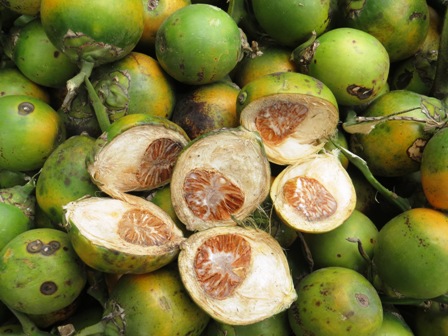
Health experts warn that there are two types of “fruits” commonly consumed in daily life that have been strongly associated with cancer development. While it would be inaccurate to say cancer cells literally “love” them, research shows these foods can create an environment that supports tumor formation and growth over time.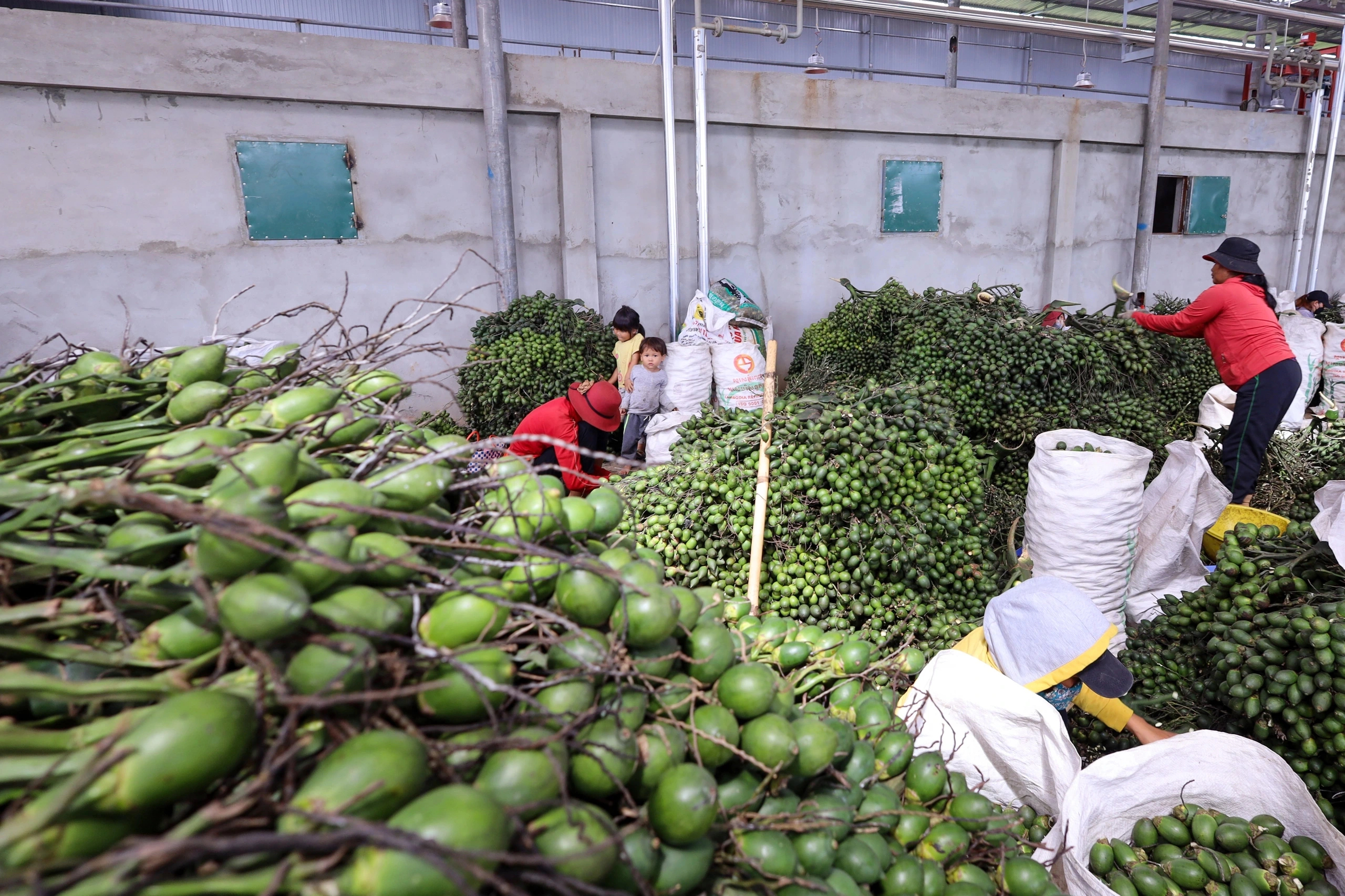
1. Betel Nut (Areca Nut): A Proven Carcinogen
Betel nut, also known as areca nut, is one of the most well-documented cancer-linked substances in the world. It is the seed of the areca palm fruit and is widely chewed in parts of South and Southeast Asia, often wrapped in betel leaves and mixed with lime or tobacco.
According to the World Health Organization (WHO), areca nut is classified as a Group 1 carcinogen, meaning there is clear evidence that it causes cancer in humans.
Long-term betel nut chewing has been strongly linked to:
-
Oral cancer
-
Throat and esophageal cancer
-
Oral submucous fibrosis (a precancerous condition that stiffens mouth tissues)
The danger lies in the chemical compounds inside betel nut, especially arecoline, which can damage DNA, trigger chronic inflammation, and promote abnormal cell growth. Over time, repeated exposure increases the likelihood of malignant transformation.
What makes betel nut particularly dangerous is how normalized it is in some cultures. Many users start chewing at a young age, believing it helps digestion, freshens breath, or boosts alertness. Unfortunately, decades of medical evidence show the long-term cost can be devastating.
Simply put: betel nut is not a harmless traditional habit — it is a major cancer risk.
2. Heavily Sweetened or Preserved Fruits: Hidden Sugar and Carcinogens
The second group may come as a surprise: heavily processed fruits, such as candied fruits, preserved fruits, and certain pickled fruits sold as snacks.
Fresh fruit contains fiber, antioxidants, and natural sugars that are generally safe when eaten in moderation. However, once fruit is soaked in sugar syrup, dried with added sugars, or preserved with salt and chemical additives, its health profile changes dramatically.
These products often contain:
-
Extremely high sugar concentrations
-
Artificial coloring or preservatives
-
Nitrites or nitrosamines (especially in pickled products)
Excess sugar does not directly cause cancer, but it can fuel chronic inflammation, insulin resistance, and obesity, all of which are known risk factors for multiple types of cancer. Moreover, nitrosamines — compounds that can form during preservation — are recognized carcinogens linked to stomach and gastrointestinal cancers.
In many Asian diets, preserved fruits are consumed daily as snacks, especially by children and older adults, under the assumption that “fruit is always healthy.” In reality, these products behave more like candy than real fruit.
Why Moderation and Preparation Matter
It’s important to be clear: cancer is complex, and no single food causes it overnight. But repeated exposure to harmful substances, combined with poor lifestyle habits, can significantly raise risk over time.
Health experts recommend:
-
Avoiding betel nut entirely
-
Choosing fresh, whole fruits over preserved or candied versions
-
Reading labels carefully for added sugars and preservatives
-
Limiting processed snacks, even if they are fruit-based
Cancer prevention is not about fear — it’s about awareness. Knowing which foods may quietly increase risk allows you to make smarter, safer choices for the long term.
Final Takeaway
Fruits are not automatically healthy just because they come from plants. Betel nut is a confirmed carcinogen, and heavily processed fruit products can undermine your health when consumed regularly. Paying attention to what you eat — and how it’s prepared — is one of the simplest ways to protect your body.
Sometimes, what we think is harmless deserves a second look.