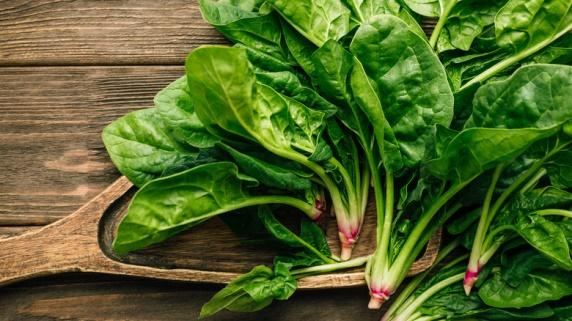
“King of Herbs”: Why Basil Is Good for the Heart and May Help Break Down Kidney Stones
Often called the “King of Herbs,” basil has been valued for centuries in traditional medicine and modern nutrition alike. Beyond its familiar role in cooking, basil is increasingly recognized for its potential benefits to heart health and kidney function. While it is not a miracle cure, scientific and traditional evidence suggest that this humble herb may play a supportive role in protecting the body when used correctly.
What Is the “King of Herbs”?
The title “King of Herbs” commonly refers to basil, especially varieties like holy basil (Tulsi) and sweet basil. These plants are rich in bioactive compounds, antioxidants, and essential oils that influence multiple body systems.
Key compounds found in basil include:
-
Eugenol
-
Flavonoids
-
Polyphenols
-
Essential oils
These substances are responsible for basil’s medicinal reputation.
How Basil Supports Heart Health
Heart disease remains one of the leading causes of death worldwide. Basil contains several properties that may help protect the cardiovascular system.
1. Reduces Inflammation
Chronic inflammation damages blood vessels and accelerates heart disease. Basil’s eugenol has anti-inflammatory effects, which may help relax blood vessels and reduce stress on the heart.
Lower inflammation supports:
-
Healthier arteries
-
Improved blood circulation
-
Reduced risk of plaque buildup
2. Supports Healthy Blood Pressure
Some studies suggest that basil may help regulate blood pressure by promoting relaxation of blood vessel walls. This effect can reduce resistance in the circulatory system, allowing blood to flow more efficiently.
While basil is not a replacement for medication, it may complement a heart-friendly lifestyle when combined with proper diet and exercise.
3. Rich in Antioxidants
Oxidative stress damages heart cells over time. Basil is rich in antioxidants that help neutralize free radicals, protecting the heart and slowing cellular aging.
Antioxidant protection is especially important for people with:
-
High cholesterol
-
Diabetes
-
Family history of heart disease
Basil and Kidney Stones: What’s the Connection?
Kidney stones form when minerals crystallize and accumulate in the kidneys. Traditional medicine has long used basil to support kidney health, and modern research is beginning to explore why.
1. Supports Kidney Detoxification
Basil has mild diuretic properties, meaning it may help increase urine flow. This can support the kidneys in flushing out excess minerals before they form stones.
Increased urine output helps:
-
Reduce mineral concentration
-
Prevent crystal buildup
-
Support overall kidney function
2. May Help Balance Uric Acid Levels
Some kidney stones are linked to elevated uric acid. Basil is believed to help stabilize uric acid levels, reducing the likelihood of stone formation.
Traditional practices often recommend basil juice or tea as a supportive remedy, not a standalone treatment.
3. Anti-Inflammatory Kidney Protection
Kidney stones often cause inflammation and irritation. Basil’s anti-inflammatory compounds may help soothe kidney tissue, potentially reducing discomfort and supporting recovery after stone passage.

How to Use Basil for Health Benefits
Basil can be consumed in several safe and simple ways:
-
Fresh leaves added to meals
-
Basil tea, made by steeping leaves in hot water
-
Blended basil juice, often combined with honey or lemon
-
Dried basil as a seasoning
For kidney support, hydration is essential. Basil works best alongside adequate water intake, not as a substitute.