Should You Wash Meat and Fish Bought from the Supermarket?
Experts Reveal a “Clean” Habit That Actually Increases the Risk of Bacterial Contamination
Many people are unsure whether they should wash meat and fish after buying them from the supermarket. Today, an expert offers a clear answer.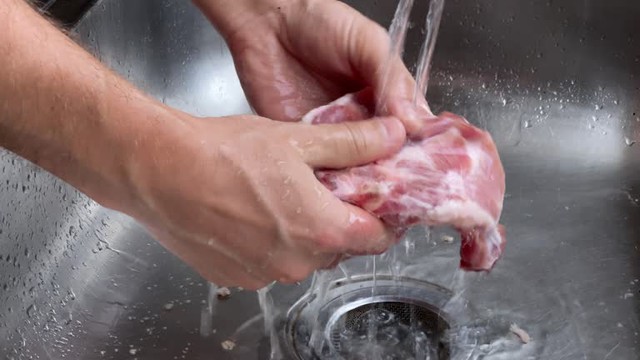
Zhang Chengzhong (Taiwan, China) is a nutritionist and a fresh food industry expert with more than 20 years of experience. He says he receives many questions about whether packaged or frozen meat and fish purchased from supermarkets should be washed at home before cooking.
“Many food manufacturers state that the meat and fish sold in supermarkets are safe and can be cooked immediately without washing. At the same time, many people tell me that although these products look neat and clean, they may still be dirty due to processing, packaging, and transportation, so they feel the need to wash them thoroughly. The truth is, whether you should wash them or not depends on the type of meat or fish you buy. If you do it incorrectly, you may not make it cleaner—instead, you could increase the risk of bacterial contamination,” Zhang Chengzhong explained.
Meat and Fish You Should NOT Wash After Buying from the Supermarket
According to Zhang Chengzhong, frozen or pre-packaged meat and fish that are completely sealed in plastic wrap or vacuum packaging generally should not be washed again.
This is because the packaging process is designed to ensure hygiene. The meat and fish have already been pre-processed, including cleaning, before being sold. Bacteria usually exist only on the surface of food, and unnecessary washing can actually cause bacteria to spread or even be transferred deeper into the food, increasing the risk of contamination. This risk is even higher if you wash the meat or fish and then do not cook it immediately, but instead store it in the refrigerator or leave it exposed to the environment.
Zhang Chengzhong added: “Recent studies in the United States and Canada have shown that after being removed from their packaging and washed, meat that is then stored in the refrigerator has a higher chance of coming into contact with bacterial colonies present in contaminated water. In some cases, bacteria on the surface of the meat can also contaminate surrounding areas due to water splashing during washing.”
In addition, washing meat and fish that are produced and stored under strictly regulated supermarket conditions may lead to a loss of nutrients. More importantly, consumers should choose reputable supermarkets and stores, and carefully read the information provided by manufacturers.
Meat and Fish That SHOULD Be Washed After Purchase
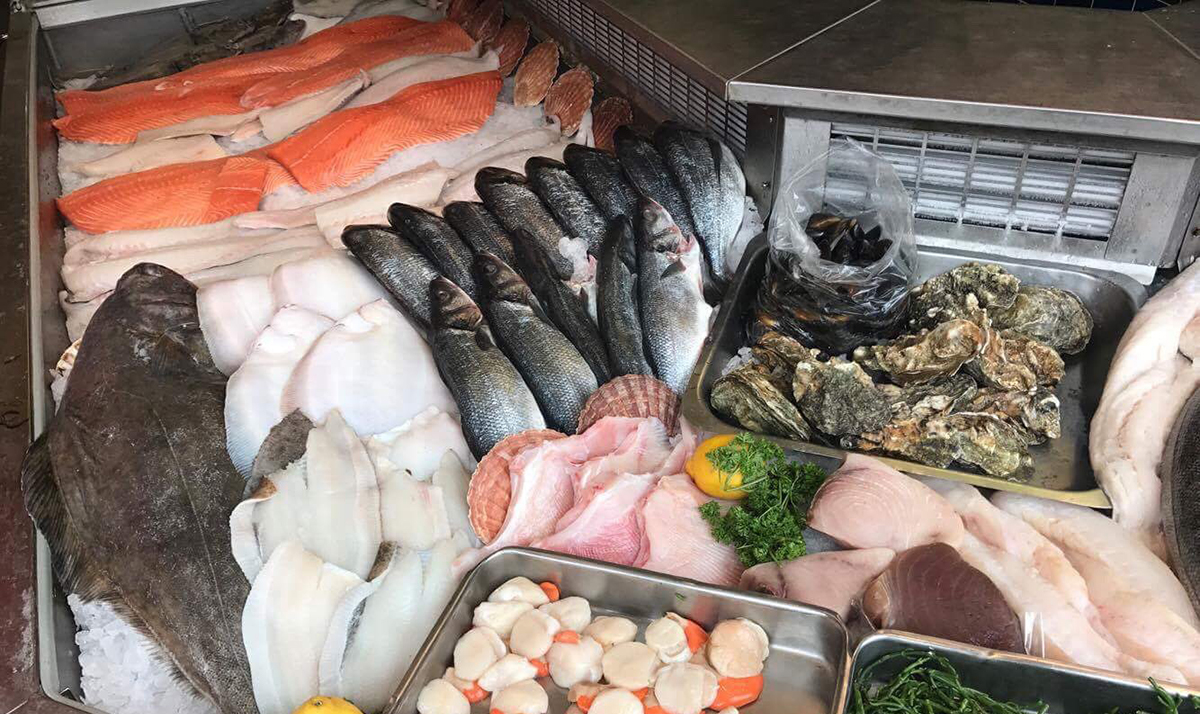
According to Zhang Chengzhong, meat and fish sold loose, without sealed packaging, or products that are cleaned or packaged on-site should be washed again after being brought home. Naturally, if the packaging of meat or fish shows signs of damage or leakage, washing it is also necessary.
“Meat and fish sold at traditional markets are often not packaged and may be contaminated by unclean cutting boards, knives, and containers. They can also be exposed to smoke, dust from passing vehicles, or water splashes from people nearby. This can also happen to unpackaged meat and fish displayed in supermarket counters. Therefore, after bringing them home, you should wash them thoroughly before storing them in the refrigerator or cooking,” he said.
He also recommends washing foods that are packaged on-site, even if they are wrapped immediately. This is because the processing and packaging carried out directly at stores or supermarkets—no matter how reputable—can still carry a risk of bacterial contamination due to crowded conditions and various environmental factors.
In short, washing meat and fish is not always the safer option. Understanding the type of product you buy and handling it correctly is key to protecting your health and reducing the risk of foodborne illness.