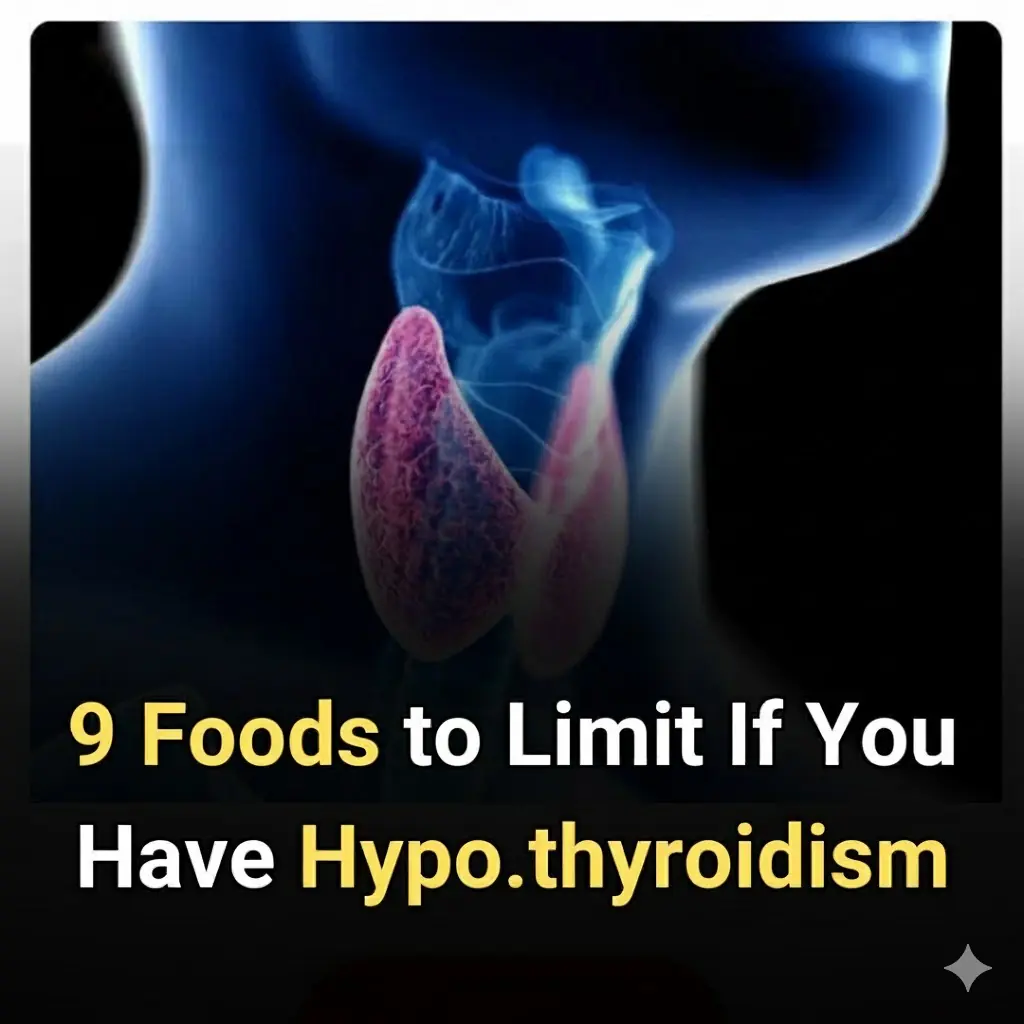
Hypo.thyroidism is a condition in which the thyroid gland does not produce enough thyroid hormones to support normal metabolism, energy levels, and overall body function. While medication is often the cornerstone of treatment, diet also plays an important supporting role in managing symptoms and preventing further complications.
Certain foods can interfere with thyroid hormone production, iodine absorption, or medication effectiveness. This does not mean they must be eliminated entirely for everyone, but limiting them and consuming them appropriately can help support better thyroid function.
Below are nine foods that people with hypothyroidism should be cautious about.
1. Soy and Soy-Based Products
Soy contains compounds called isoflavones, which can interfere with thyroid hormone production and reduce the absorption of thyroid medication.
Foods to limit include:
-
Soybeans
-
Tofu
-
Soy milk
-
Soy protein isolates
Soy does not necessarily cause hypothyroidism, but consuming it in large amounts—especially close to medication time—may worsen symptoms or reduce treatment effectiveness.
Tip: If you consume soy, keep it moderate and separate it from thyroid medication by several hours.
2. Cruciferous Vegetables (When Raw)
Cruciferous vegetables contain goitrogens, substances that may interfere with iodine uptake by the thyroid.
Examples include:
-
Broccoli
-
Cauliflower
-
Cabbage
-
Kale
-
Brussels sprouts
These vegetables are highly nutritious and should not be avoided entirely. However, eating them raw and in large quantities may pose an issue for people with iodine deficiency or poorly controlled hypothyroidism.
Tip: Cooking these vegetables significantly reduces their goitrogen content.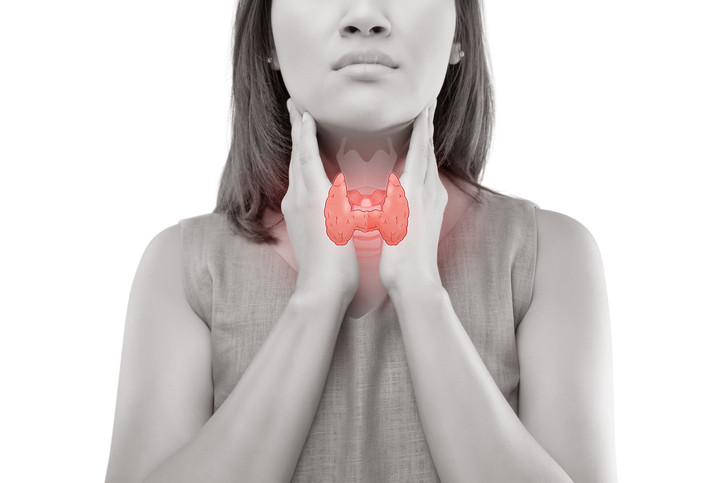
3. Gluten (For Sensitive Individuals)
Gluten can be problematic for some people with hypothyroidism, particularly those with Hashimoto’s thyroiditis, an autoimmune form of the condition.
Research shows a higher prevalence of gluten sensitivity and celiac disease in people with autoimmune thyroid disorders. Gluten may increase inflammation and worsen immune reactions.
Foods to limit include:
-
Wheat-based bread and pasta
-
Pastries
-
Processed foods containing hidden gluten
Tip: Not everyone with hypothyroidism needs to avoid gluten, but those with digestive issues or autoimmune thyroid disease may benefit from reducing or eliminating it.
4. Highly Processed and Sugary Foods
Hypothyroidism slows metabolism, making it easier to gain weight and harder to regulate blood sugar levels.
Foods high in refined sugar and processed carbohydrates can:
-
Increase inflammation
-
Contribute to insulin resistance
-
Worsen fatigue and weight gain
Examples include:
-
Sugary snacks and desserts
-
Sweetened beverages
-
White bread and refined grains
Limiting these foods helps support metabolic balance and energy levels.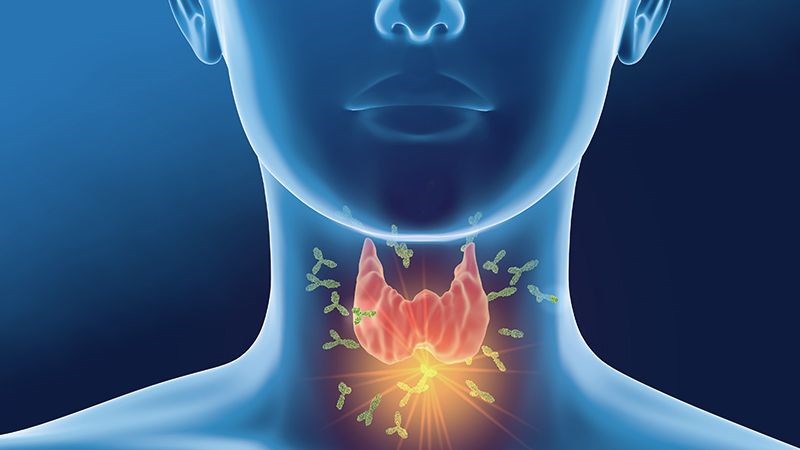
5. Fried and Fatty Foods
Unhealthy fats can interfere with hormone signaling and contribute to inflammation.
Foods to limit include:
-
Fried fast foods
-
Foods high in trans fats
-
Excessive saturated fats
These foods may also reduce the absorption of thyroid hormone medication and worsen cardiovascular risk, which is already higher in people with hypothyroidism.
Tip: Focus on healthier fats such as olive oil, nuts, seeds, and fatty fish (if tolerated).
6. Excess Fiber (Around Medication Time)
Fiber is essential for digestion and overall health, but too much fiber at once can interfere with thyroid medication absorption.
High-fiber foods include:
-
Bran cereals
-
Large portions of legumes
-
Fiber supplements
Tip: Do not eliminate fiber, but avoid consuming very high-fiber meals within 3–4 hours of taking thyroid medication.
7. Certain Fruits and Vegetables High in Goitrogens
In addition to cruciferous vegetables, other foods contain mild goitrogens, such as:
-
Peaches
-
Strawberries
-
Spinach
These foods are generally safe in moderation and rarely cause problems unless consumed excessively and raw, particularly in people with iodine deficiency.
8. Caffeine (Too Close to Medication Time)
Caffeine does not directly affect thyroid function, but it can significantly reduce the absorption of thyroid hormone medication if consumed too soon after taking it.
Sources include:
-
Coffee
-
Tea
-
Energy drinks
Tip: Wait at least 30–60 minutes after taking thyroid medication before consuming caffeine.
9. Alcohol
Alcohol can suppress thyroid hormone production and impair liver function, which plays a role in converting thyroid hormones into their active form.
Regular or excessive alcohol intake may:
-
Worsen fatigue
-
Increase inflammation
-
Disrupt hormone balance
Limiting alcohol supports both thyroid and overall metabolic health.
What to Focus on Instead
Rather than focusing only on restrictions, people with hypothyroidism benefit from a balanced, supportive diet that includes:
-
Lean protein sources
-
Selenium-rich foods (such as Brazil nuts and eggs)
-
Zinc-containing foods (like legumes and seeds)
-
Adequate iodine intake (without excess)
-
Plenty of vegetables, fruits, and whole foods
Consistency, moderation, and proper timing around medication are key.
Final Thoughts
Managing hypothyroidism goes beyond medication alone. Diet plays a meaningful role in symptom control, hormone balance, and overall well-being.
Limiting foods that interfere with thyroid function - such as excessive soy, raw goitrogens, processed foods, and poorly timed caffeine—can make treatment more effective and improve quality of life.
As with any health condition, dietary changes should be individualized. Consulting a healthcare professional or registered dietitian can help ensure nutritional needs are met while supporting optimal thyroid health.