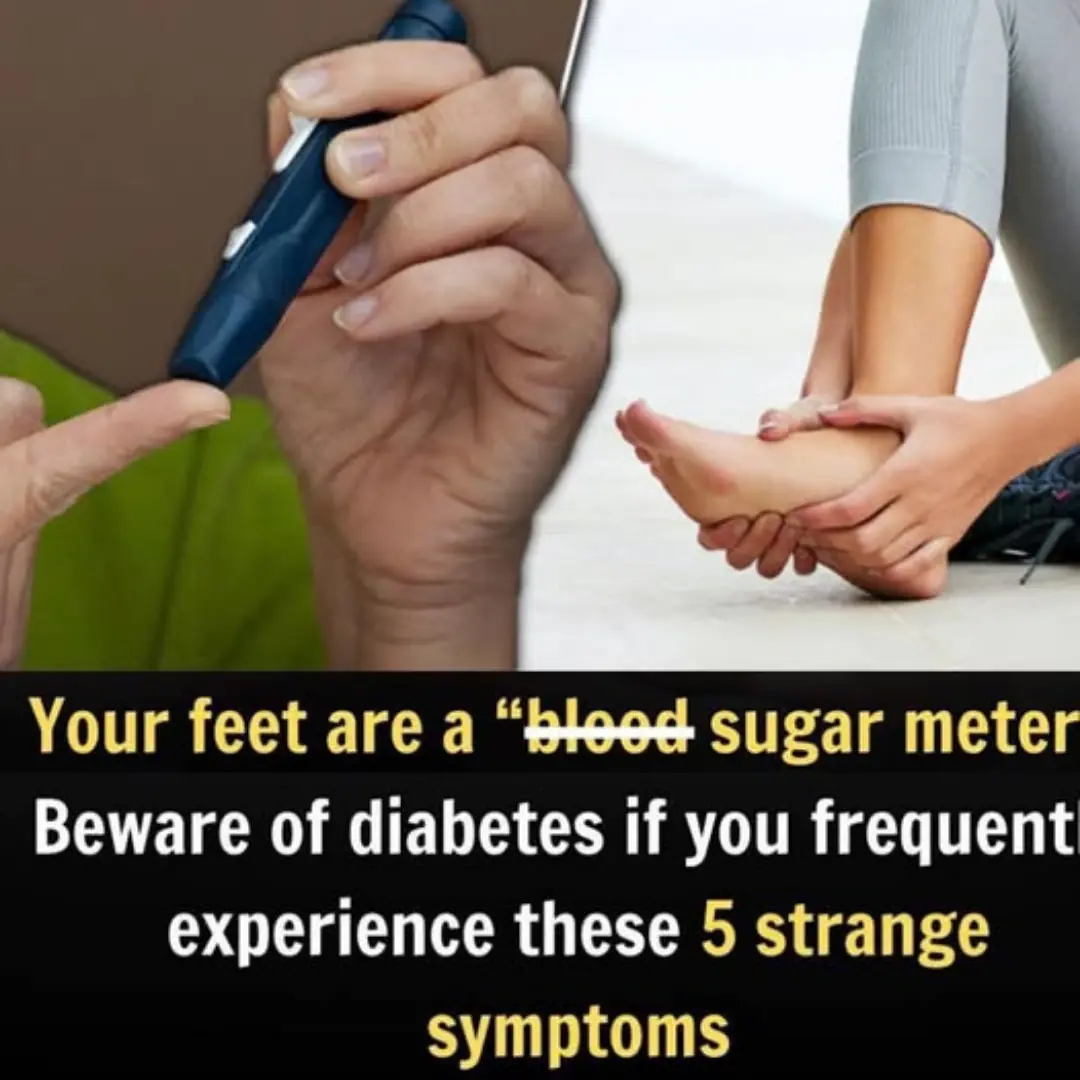
Blood sugar imbalance, especially when it remains uncontrolled over time, can quietly affect many parts of the body. While most people associate abnormal blood sugar with symptoms such as thirst, fatigue, or frequent urination, the feet are often one of the earliest and most overlooked areas to show warning signs.
Because the feet are far from the heart and rely heavily on healthy blood circulation and nerve function, they are particularly vulnerable to damage caused by high or unstable blood sugar levels. Paying attention to unusual changes in your feet may help detect problems earlier—sometimes before more obvious symptoms appear.
Below are five unusual foot symptoms that may signal abnormal blood sugar levels and should not be ignored.
1. Persistent Tingling, Numbness, or “Pins and Needles” Sensation
One of the most common early foot-related signs of abnormal blood sugar is peripheral neuropathy, a condition caused by nerve damage.
High blood sugar can damage small blood vessels that supply nerves, leading to:
-
Tingling or prickling sensations
-
Numbness in toes or soles
-
A burning or electric-like feeling
-
Reduced sensitivity to touch, heat, or pain
These sensations may start mildly and come and go, which is why many people dismiss them. Over time, however, nerve damage can worsen and become permanent if blood sugar remains uncontrolled.
2. Dry, Cracked, or Peeling Skin on the Feet
Abnormally high blood sugar can interfere with the body’s ability to regulate moisture and sweat gland function. As a result, the skin on the feet may become:
-
Extremely dry
-
Rough or flaky
-
Prone to cracking, especially around the heels
Cracks in the skin may seem harmless, but they create openings for bacteria and fungi. In people with abnormal blood sugar, even small skin injuries heal more slowly and are more likely to become infected.
3. Slow-Healing Wounds or Sores
Cuts, blisters, or minor injuries on the feet that heal very slowly can be a red flag for blood sugar problems.
High blood sugar affects healing in several ways:
-
Reduced blood flow limits oxygen and nutrient delivery
-
Impaired immune response slows infection control
-
Nerve damage reduces awareness of injuries
In some cases, people may not even notice a wound until it becomes serious. This is why foot ulcers are a major complication in individuals with long-term blood sugar imbalance.
4. Swelling or Puffiness in the Feet and Ankles
Foot and ankle swelling may indicate circulation problems linked to abnormal blood sugar levels.
Chronically elevated blood sugar can damage blood vessels, making it harder for blood and fluids to move efficiently. This can lead to:
-
Swelling at the end of the day
-
Tight or shiny skin
-
A heavy or uncomfortable feeling in the feet
Swelling may also be associated with kidney or heart complications related to long-standing blood sugar issues, making it an important symptom to evaluate.
5. Changes in Foot Temperature or Color
Unusual temperature or color changes in the feet can reflect circulation and nerve abnormalities.
Possible changes include:
-
Feet that feel unusually cold or hot
-
Pale, bluish, or reddish skin
-
Uneven coloration between the two feet
These changes may occur because damaged blood vessels cannot regulate blood flow properly. Over time, reduced circulation increases the risk of infection and tissue damage.
Why Blood Sugar Problems Affect the Feet First
The feet are especially vulnerable because:
-
They are far from the heart, making circulation more challenging
-
Small blood vessels are easily damaged by high glucose levels
-
Nerves in the feet are long and sensitive to metabolic stress
As a result, foot symptoms often appear before other serious complications are recognized.
When to Seek Medical Attention
You should consult a healthcare professional if you notice:
-
Persistent numbness or tingling
-
Non-healing sores or repeated infections
-
Swelling combined with pain or skin changes
-
Sudden changes in foot color or temperature
Early evaluation can help prevent long-term complications and may lead to earlier diagnosis of blood sugar abnormalities.
How to Protect Your Feet and Support Healthy Blood Sugar
While medical treatment is essential, daily habits play a major role in prevention and management.
Key preventive steps include:
-
Maintaining stable blood sugar through diet and medical care
-
Inspecting feet daily for cuts, cracks, or color changes
-
Keeping feet clean, dry, and moisturized
-
Wearing comfortable, supportive footwear
-
Staying physically active to improve circulation
People at risk of blood sugar imbalance should also have regular foot exams as part of routine health care.
Final Thoughts
Unusual foot symptoms may seem minor or unrelated, but they can be early indicators of abnormal blood sugar levels. Tingling, dryness, slow healing, swelling, and color changes are signals the body uses to communicate internal imbalance.
Listening to these signals and acting early can help prevent serious complications and protect long-term health. When it comes to blood sugar, early awareness is one of the most powerful forms of prevention.