Waking up to a wet pillow might seem like nothing more than a minor inconvenience - or even something to laugh off. However, frequent drooling during sleep can sometimes be a signal that your body is trying to tell you something important. While occasional drooling is common and usually harmless, persistent or excessive drooling may indicate underlying health conditions that deserve attention.
Saliva production is a normal and necessary process. During sleep, swallowing reflexes slow down, and muscle tone relaxes. In certain situations, this balance is disrupted, allowing saliva to accumulate and escape from the mouth. Understanding the possible causes can help determine when drooling is simply a sleep habit and when it may be a warning sign.
Below are six common medical and lifestyle-related causes of drooling during sleep that are often overlooked.
1. Sleep Apnea
Sleep apnea is one of the most serious conditions associated with nighttime drooling. It occurs when breathing repeatedly stops and starts during sleep due to airway obstruction or impaired brain signaling.
When throat muscles relax excessively, airflow becomes restricted. As a result, people with sleep apnea often breathe through their mouth during sleep, allowing saliva to escape more easily.
Why it causes drooling
-
Mouth breathing due to blocked airways
-
Reduced swallowing reflex during breathing pauses
-
Relaxation of facial and throat muscles
Common symptoms
-
Loud, chronic snoring
-
Pauses in breathing observed by others
-
Morning headaches
-
Waking up feeling unrefreshed
-
Excessive daytime sleepiness
Untreated sleep apnea is linked to high blood pressure, heart disease, stroke, and diabetes, making early diagnosis essential.
2. Gastroesophageal Reflux Disease (GERD)
GERD is a chronic digestive condition in which stomach acid flows back into the esophagus. While heartburn is the most well-known symptom, GERD can also contribute to excessive drooling during sleep.
Why it causes drooling
When acid irritates the throat and esophagus, the body responds by producing more saliva to neutralize the acid. Lying flat worsens reflux, especially at night, leading to saliva buildup that may spill out of the mouth during sleep.
Common symptoms
-
Burning sensation in the chest or throat
-
Sour or bitter taste in the mouth
-
Regurgitation of food or liquid
-
Chronic cough
-
Difficulty swallowing
Nighttime GERD is often underrecognized and may worsen sleep quality over time.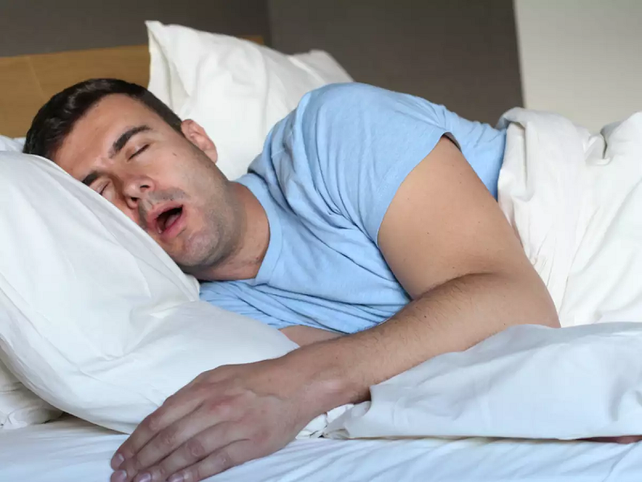
3. Neurological Conditions
Certain neurological disorders can interfere with the muscles and nerves responsible for swallowing and saliva control.
Conditions such as Parkinson’s disease, stroke, multiple sclerosis (MS), or brain injuries may impair muscle coordination, allowing saliva to
pool in the mouth - especially during sleep.
Why it causes drooling
-
Weakness or stiffness of facial and throat muscles
-
Impaired swallowing reflex
-
Reduced awareness of saliva buildup
Possible warning signs
-
Difficulty swallowing (dysphagia)
-
Slurred speech
-
Facial drooping
-
Tremors or muscle stiffness
-
Reduced facial expression
In these cases, drooling is often part of a broader neurological picture and should be evaluated promptly.
4. Allergies and Nasal Congestion
Seasonal allergies, sinus infections, or chronic nasal congestion can force people to breathe through their mouth during sleep. Mouth breathing significantly increases the likelihood of drooling.
Why it causes drooling
-
Blocked nasal passages lead to open-mouth breathing
-
Post-nasal drip mixes with saliva
-
Increased mucus production
Common symptoms
-
Stuffy or runny nose
-
Sneezing
-
Itchy or watery eyes
-
Throat clearing
-
Post-nasal drip
Allergy-related drooling often improves once nasal airflow is restored.
5. Mouth and Throat Infections
Infections affecting the throat or oral cavity - such as tonsillitis, strep throat, or oral infections - can make swallowing painful or difficult.
Why it causes drooling
When swallowing becomes uncomfortable, the body may unconsciously avoid it during sleep. This allows saliva to accumulate and leak out.
Warning signs
-
Sore throat
-
Red, swollen tonsils
-
Painful swallowing
-
Fever
-
Swollen lymph nodes
Drooling caused by infections usually resolves once the infection is treated, but medical evaluation is important.
6. Medication Side Effects
Certain medications can interfere with saliva control or swallowing reflexes, leading to nighttime drooling.
Common medication types involved
-
Antidepressants
-
Antipsychotics
-
Sedatives or tranquilizers
-
Antihistamines
-
Medications affecting the nervous system
Possible accompanying symptoms
-
Dry mouth alternating with drooling
-
Drowsiness
-
Muscle relaxation
-
Reduced alertness
If drooling begins after starting a new medication, a doctor may adjust the dosage or recommend an alternative.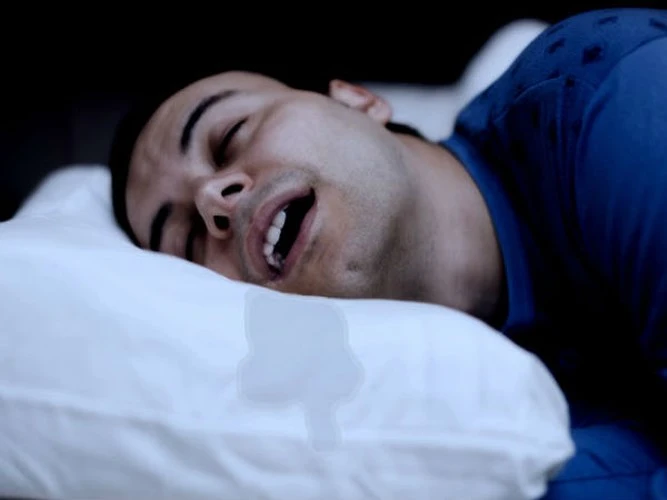
When Should You See a Doctor?
Occasional drooling is normal. However, medical advice should be sought if drooling:
-
Occurs frequently or worsens over time
-
Is accompanied by breathing problems, choking, or snoring
-
Appears alongside neurological symptoms
-
Interferes with sleep quality or daily functioning
A healthcare professional may recommend sleep studies, imaging tests, allergy evaluations, or medication reviews to determine the cause.
Final Thoughts
Drooling during sleep is often dismissed as a harmless habit, but in some cases, it serves as a subtle warning sign of underlying health issues. Conditions affecting breathing, digestion, nerves, or medication balance can all disrupt the body’s ability to manage saliva during rest.
Paying attention to persistent changes and acting early can protect not only sleep quality, but long-term health as well. When the body sends small signals, listening carefully can make a meaningful difference.