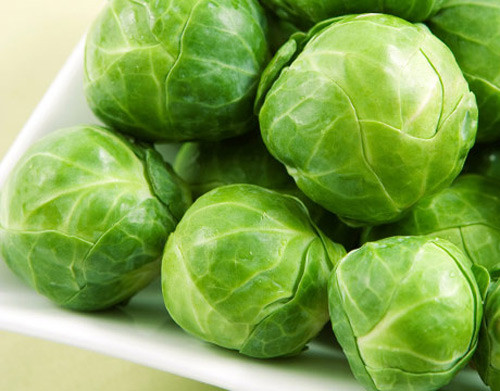
Cabbage is widely known as a nutritious and affordable vegetable. It is rich in fiber, vitamin C, vitamin K, antioxidants, and plant compounds that support digestion, immunity, and heart health. Many people include cabbage in salads, soups, stir-fries, or fermented foods like sauerkraut because of its impressive health benefits.
However, cabbage is not suitable for everyone.
Despite being healthy for most people, cabbage can cause discomfort or worsen certain medical conditions when consumed by specific groups. Its high fiber content, sulfur compounds, and natural goitrogens may create problems for some individuals.
Below are four types of people who should limit or avoid eating cabbage, along with the reasons why.

1. People With Thyroid Disorders (Especially Hypothyroidism)
Cabbage belongs to the cruciferous vegetable family, which contains goitrogens - natural substances that can interfere with iodine absorption in the thyroid gland.
Why cabbage can be problematic:
-
Goitrogens may reduce thyroid hormone production
-
Can worsen symptoms of hypothyroidism when eaten frequently or raw
-
May increase the risk of goiter in iodine-deficient individuals
This risk is especially higher when cabbage is eaten raw, such as in salads or juices.
Who should be careful:
-
People diagnosed with hypothyroidism
-
Individuals with iodine deficiency
-
Those with a history of thyroid enlargement (goiter)
What to do instead:
-
If you enjoy cabbage, eat it cooked, as cooking significantly reduces goitrogen content
-
Limit portion sizes
-
Ensure adequate iodine intake through iodized salt or doctor-recommended supplements
2. People With Sensitive Digestive Systems or IBS
Cabbage is very high in insoluble fiber and fermentable carbohydrates, which can be difficult to digest for people with sensitive stomachs.
Why cabbage causes digestive issues:
-
Produces gas during digestion
-
Can lead to bloating, cramping, and abdominal discomfort
-
Ferments in the gut, triggering symptoms in people with IBS (Irritable Bowel Syndrome)
Raw cabbage is especially hard on the digestive system.

Symptoms may include:
-
Excessive gas
-
Bloating
-
Stomach pain
-
Diarrhea or constipation
Who should avoid it:
-
People with IBS
-
Those with chronic bloating or indigestion
-
Individuals with weak digestion
Safer alternatives:
-
Eat smaller portions
-
Choose cooked cabbage over raw
-
Substitute with easier-to-digest vegetables like zucchini, carrots, or spinach
3. People With Gastritis, Acid Reflux, or Stomach Ulcers
Although cabbage juice is sometimes promoted as beneficial for ulcers, whole cabbage can irritate the stomach lining in people with existing digestive inflammation.
Why cabbage can worsen stomach conditions:
-
Stimulates gastric acid production
-
Can increase stomach discomfort when eaten raw
-
High fiber may aggravate inflamed stomach tissue
Potential effects:
-
Increased acid reflux
-
Stomach burning or pain
-
Nausea
Who should avoid cabbage:
-
People with gastritis
-
Those with stomach or duodenal ulcers
-
Individuals with frequent acid reflux (GERD)
Helpful tips:
-
Avoid raw cabbage completely
-
If consuming cabbage, eat it well-cooked and in small amounts
-
Monitor symptoms carefully
4. People Taking Blood-Thinning Medications
Cabbage is extremely rich in vitamin K, which plays a key role in blood clotting.
Why this matters:
-
Vitamin K can reduce the effectiveness of blood-thinning medications
-
Sudden increases in vitamin K intake may interfere with treatment
Who should be cautious:
-
People taking warfarin or other anticoagulants
-
Individuals with clotting disorders under medical supervision
Important note:
This does not mean cabbage must be completely eliminated, but intake should be consistent and monitored.
What to do:
-
Speak with your doctor or dietitian
-
Avoid sudden changes in cabbage consumption
-
Keep vitamin K intake stable
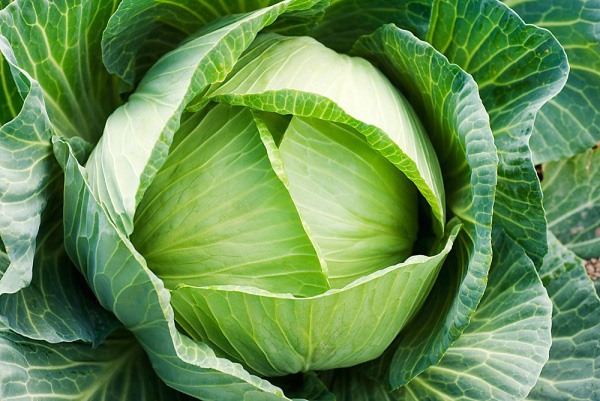
Should Everyone Else Avoid Cabbage?
No. For most healthy individuals, cabbage is a valuable and nutritious food that supports digestion, immunity, and heart health.
However, health is personal, and what works well for one person may cause discomfort for another.
How to Eat Cabbage More Safely
If you fall into one of the sensitive groups but still want to include cabbage occasionally, follow these tips:
-
Always cook cabbage thoroughly
-
Avoid eating it on an empty stomach
-
Eat small portions
-
Combine with digestion-friendly foods (ginger, cumin, or fennel)
-
Avoid raw cabbage if you have digestive or thyroid issues
Final Thoughts
Cabbage is often labeled a “superfood,” but even the healthiest foods have limitations. If you experience discomfort after eating cabbage or have a medical condition that may be affected by it, listening to your body is essential.
Being mindful of how your body responds and adjusting your diet accordingly - is one of the smartest steps toward long-term health.
If in doubt, always consult a healthcare professional before making significant dietary changes.