Do Women Have Only 400 Eggs in a Lifetime? The Truth Behind the Claim “Whoever Runs Out of Eggs First Ages First”
Women do not “age” because they ovulate more or fewer eggs. They age when they misunderstand their bodies—and fail to care for themselves properly.
Many women have heard the familiar claim: “A woman only has about 400 eggs in her lifetime. Once they’re gone, menopause begins.”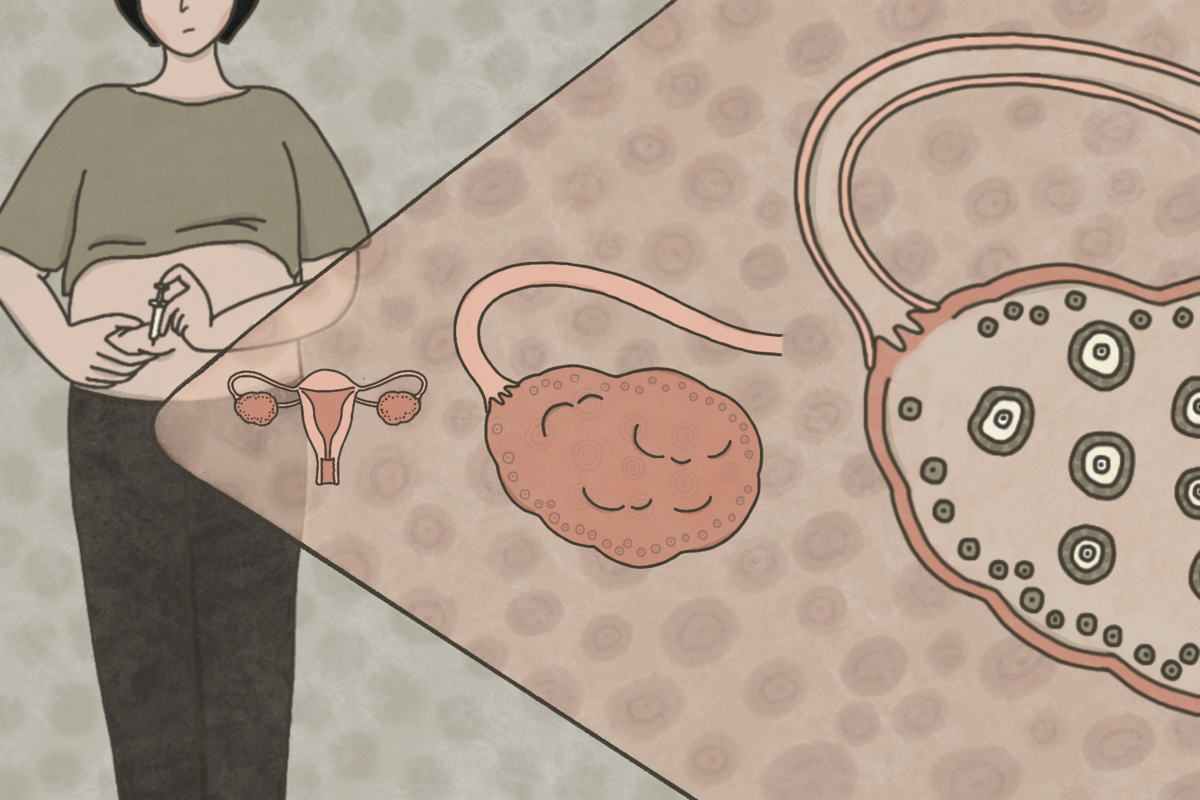
This statement has quietly fueled anxiety for years. Women with shorter menstrual cycles worry they will “run out of eggs faster,” while those who entered puberty early fear they might age sooner than others.
But scientific evidence tells a very different story: women do not need to live in fear of a hand-me-down number.
The “400 Eggs” Figure: An Average, Not a Fate
The number 400 is simply the result of a rough calculation. If a woman starts menstruating around age 12, reaches menopause around age 49, and ovulates once per month, the total number of ovulations across her life comes out to just over 400.
However, this is only an average. It does not reflect the wide biological variation among women. Some begin puberty earlier or later. Some reach menopause after age 50—or even 55. Menstrual cycle length also varies significantly from person to person.
There is no scientific basis for claiming that every woman has exactly 400 eggs over her lifetime.
Does a Short Menstrual Cycle Mean Eggs Are “Used Up” Faster?
Women with shorter cycles (24–26 days) often feel uneasy, believing they ovulate more frequently and therefore enter menopause earlier. This is a common misconception.
In reality, a baby girl’s ovaries already contain millions of egg cells while she is still in the womb. By puberty, although the number has declined, there are still hundreds of thousands of eggs in reserve—not just a few hundred, as many people believe.
During each menstrual cycle, multiple follicles begin to develop. Typically, only one matures and releases an egg; the rest naturally degenerate. Therefore, whether a cycle is shorter or longer does not determine how quickly eggs are “depleted.”
Menopause Does Not Happen Because All Eggs Are Gone
Here is a crucial fact that many women are never clearly told: menopause does not occur simply because a woman has “run out of eggs.”
The fundamental cause is the natural aging of the ovaries. As a woman gets older, ovarian function gradually declines, and levels of female hormones—especially estrogen—decrease. These hormonal changes are what lead to perimenopause and menopause symptoms.
In other words, menopause is a natural biological process, not the result of “ovulating too much.”
Statistically, the average age of menopause is around 49. Medically, menopause is considered “early” if it occurs before age 45. If ovarian function declines before age 40, it is classified as premature ovarian insufficiency.
Some people argue that although individuals differ, there must still be a fixed limit to the number of eggs a woman can produce—only a few hundred—and once they are used up, no more can be generated.
This assumption is also misleading. The number of eggs present in a woman’s body is far greater than most people realize.
The real reason women stop ovulating is not because the egg reserve is completely exhausted, but because the ovaries themselves age. This is a normal physiological process, similar to the aging of other organs and tissues. It is not caused by short menstrual cycles or excessive ovulation. Many marketing claims suggesting that “the ovaries stop working because all the eggs have been released” simply reverse cause and effect.
Does a Shorter Cycle Mean Faster Aging?
The answer is no.
A shorter menstrual cycle does not make women age faster, nor does it indicate weak ovaries or poor reproductive health. What matters far more is whether the cycle is regular and stable.
Only when menstrual patterns change abruptly—such as persistent irregularity, unusually heavy bleeding, or significantly increased pain—should women seek medical evaluation.
What Should Women Focus on Instead of Obsessing Over the Number 400?
Rather than worrying about inherited myths, women should focus on:
-
Listening to changes in their bodies
-
Maintaining a healthy lifestyle, with adequate sleep and balanced nutrition
-
Attending regular gynecological checkups
-
Paying attention to hormonal health from a young age
Because women do not age from ovulating too much or too little—they age when they lack accurate knowledge and fail to care for themselves properly.