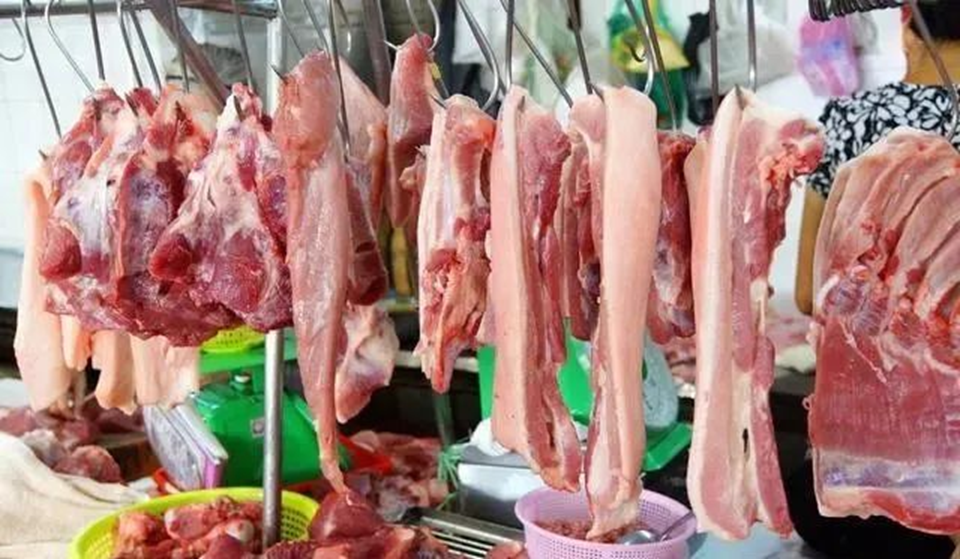
Livestock and Veterinary Experts: 5 Ways to Identify Safe, High-Quality Pork and Distinguish It from Dise.ased or De.ad Pigs
According to experts, consumers can rely on five basic visual and sensory signs to distinguish pork from healthy pigs from meat originating from diseased or dead animals.
Experts from the Livestock Breeding and Veterinary Station under the Wenzhou Municipal Agriculture Bureau (China) have issued specific guidelines to help the public identify pork from diseased or dead pigs and prevent the transmission of animal-borne diseases from pigs to humans.
According to specialists, the following five observable indicators are key to telling the difference between healthy pork and pork from diseased animals:
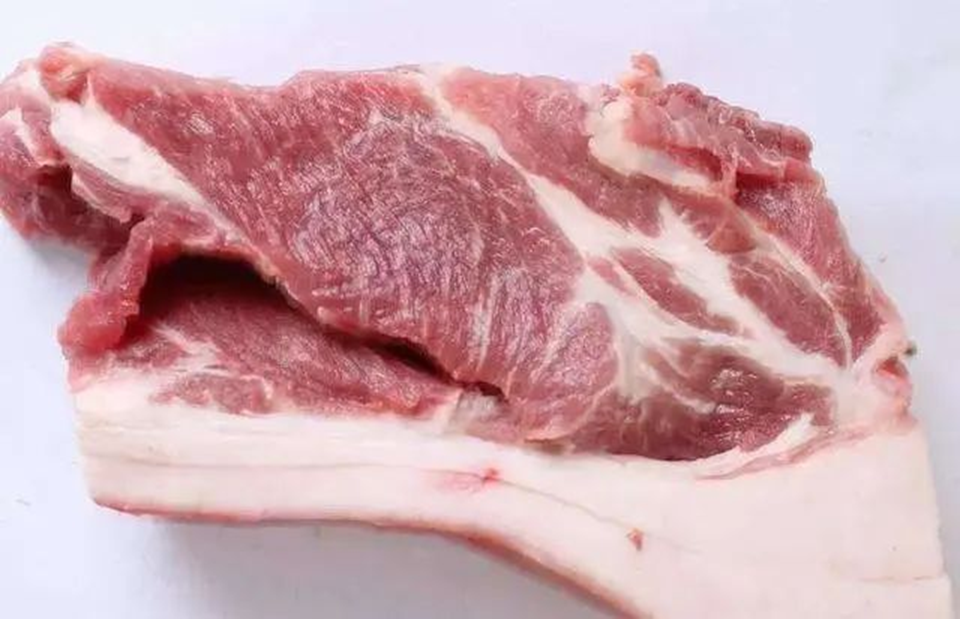
1. Examine the Skin Surface
Pork from healthy pigs has a clean skin surface with no abnormal markings. In contrast, pork from diseased or dead pigs often shows purple hemorrhagic spots, and in severe cases, widespread dark red bleeding under the skin. Some samples may also display raised nodules that are red or yellow in color.
2. Smell the Meat
Fresh pork has a natural, mild meat odor. Meat that has deteriorated or comes from diseased or dead pigs often emits a strong fishy smell, a foul odor, or other unusual scents—not only on the surface but also deep inside the meat.
3. Check Elasticity
Fresh pork has a firm texture and good elasticity. When pressed with a finger, the indentation quickly returns to its original shape. In contrast, pork from diseased or dead pigs has undergone significant tissue breakdown, causing the meat to lose elasticity and become soft or mushy. When pressed, the indentation does not recover and may even collapse or tear.
4. Observe the Fat
Fat from healthy pork is typically white or milky white with a glossy surface. Fat from diseased pigs may appear in abnormal colors such as red, yellow, or greenish.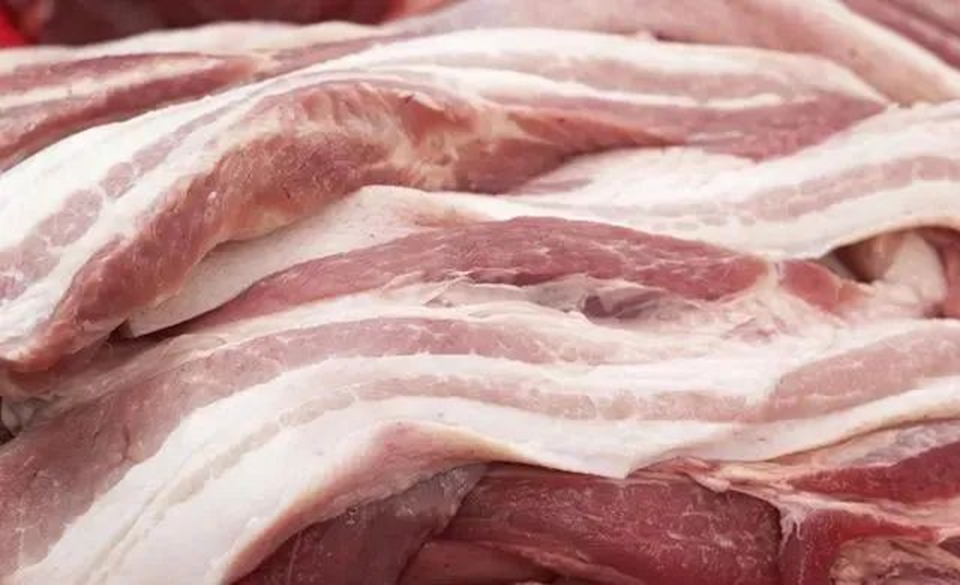
5. Assess Muscle Color
Lean meat from healthy pigs is usually bright red or light red, shiny in appearance, and releases little to no fluid. Pork from diseased or dead pigs often appears dark red or purplish, with a dull surface. When gently squeezed, dark blood-like fluid may seep out.
Experts also stress that when purchasing pork, consumers should look for official quarantine inspection stamps and valid slaughter inspection certification. Under no circumstances should meat of unknown origin or without veterinary certification be purchased.
In terms of disease prevention, individuals at the highest risk are those whose occupations involve frequent direct contact with pigs. For the general public, simply avoiding contact with diseased or dead pigs and refraining from consuming suspicious pork can significantly reduce the risk of infection.
Additionally, maintaining safe food-handling habits is critically important. After handling raw pork, hands should be thoroughly washed with soap. Surfaces and utensils that come into contact with raw meat must be properly cleaned. Knives and cutting boards used for raw and cooked foods should be kept separate to prevent cross-contamination. Uncooked pork should be stored in the freezer, while ready-to-eat or cooked foods should be kept in the refrigerator’s chilled compartment. When eating hot pot, separate utensils should be used for raw and cooked foods.
Experts further advise that during periods of disease outbreaks, consumers should limit the purchase of unpackaged ready-to-eat foods such as sausages, pâté, or pork-filled buns. If buying cooked foods, it is best to choose vacuum-sealed products with clear labeling, including the manufacturer’s name, address, contact information, and production date.