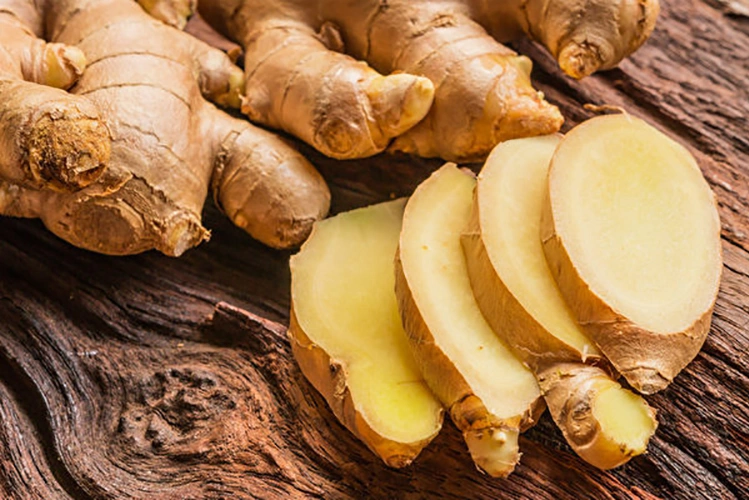
Fresh ginger is a staple in many kitchens. Its warm, spicy aroma enhances soups, stir-fries, teas, marinades, and countless traditional remedies. However, ginger has one frustrating drawback: if left at room temperature or stored improperly, it quickly shrivels, molds, or begins to sprout.
Many people buy a large piece of ginger, use a small portion, and then forget about the rest - only to find it dried out or spoiled a few weeks later. The good news is that with the right storage method, ginger can stay fresh for several months while maintaining its flavor and texture.
Below is a practical guide to understanding why ginger spoils and how to preserve it effectively for long-term use.
Why Ginger Shrivels, Rots, or Sprouts
Ginger is a rhizome, which means it is an underground stem that stores moisture and nutrients. Because of its high water content, it is vulnerable to:
-
Dehydration (causing shriveling)
-
Excess moisture (leading to mold and rot)
-
Warm temperatures (triggering sprouting)
Room temperature storage exposes ginger to air and fluctuating humidity, accelerating these processes.
Improper refrigeration can also cause condensation, which encourages mold growth.
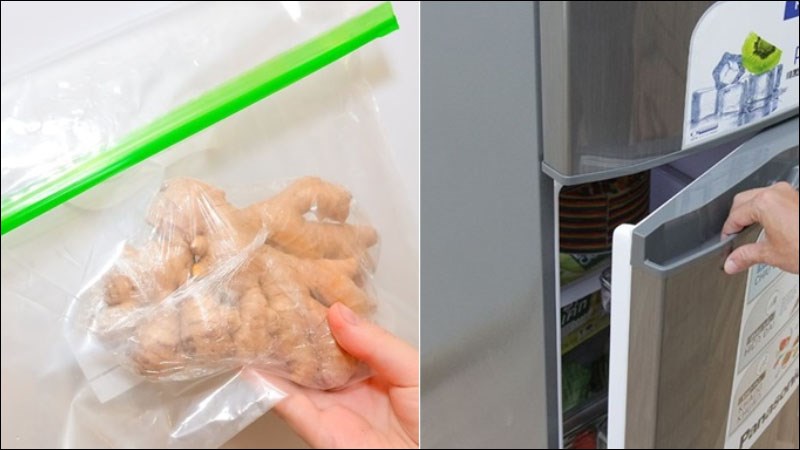
The Best Method: Freezing Ginger Whole
One of the simplest and most effective ways to preserve ginger for up to six months — or even longer — is freezing it.
Why Freezing Works
Freezing slows enzymatic activity and microbial growth, preventing spoilage while preserving the root’s natural oils and flavor.
Unlike many vegetables, ginger maintains its texture surprisingly well after freezing.
Step-by-Step Freezing Method
-
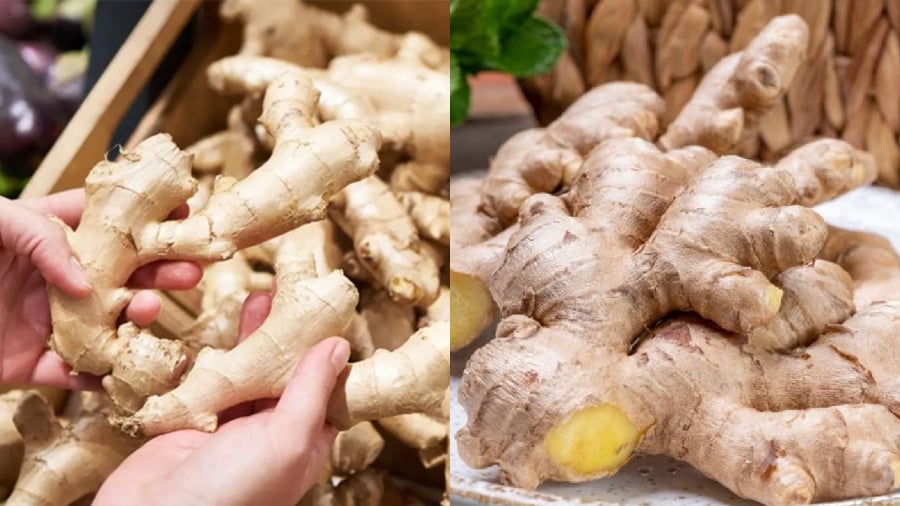
Choose fresh ginger
Select firm pieces with smooth skin. Avoid soft, wrinkled, or moldy sections. -
Do not peel before freezing
The skin protects the flesh inside. You can peel it after thawing or grate it directly from frozen. -
Place in an airtight container or freezer bag
Remove as much air as possible to prevent freezer burn. -
Store in the freezer
That’s it. No blanching required.
How to Use Frozen Ginger
One major advantage of freezing ginger is convenience.
You can:
-
Grate it directly from frozen
-
Slice off pieces as needed
-
Mince it without fully thawing
Frozen ginger is actually easier to grate than fresh ginger because it becomes firmer.
There is no need to thaw the entire piece unless you require larger slices.
Alternative Storage Methods
While freezing is the most reliable long-term solution, here are other options:
1. Refrigeration with Paper Towel
Wrap unpeeled ginger in a dry paper towel and place it in a breathable bag or container inside the refrigerator’s crisper drawer.
This method reduces moisture buildup and can extend freshness for 2–3 weeks.
However, it is not as long-lasting as freezing.
2. Storing in Alcohol
Some people preserve peeled ginger by submerging it in vodka or dry sherry inside a sealed jar in the refrigerator.
The alcohol helps inhibit microbial growth.
This method can extend shelf life for several weeks, though it may slightly alter flavor over time.
3. Drying or Powdering
If you have excess ginger, you can:
-
Slice thinly
-
Air-dry or use a dehydrator
-
Grind into powder
Dried ginger stores well in airtight containers for months, though its flavor differs from fresh ginger.

Common Mistakes to Avoid
To maximize freshness, avoid these errors:
-
Storing ginger uncovered in the refrigerator
-
Washing ginger before storage (moisture promotes mold)
-
Leaving it in plastic bags with trapped condensation
-
Keeping it at room temperature for extended periods
Always store ginger dry and protected from excess humidity.
How to Tell If Ginger Has Gone Bad
Discard ginger if you notice:
-
Soft or mushy texture
-
Strong sour smell
-
Visible mold
-
Excessive shriveling
-
Darkened or slimy interior
Small surface sprouts are not always harmful, but quality may decline.
Final Thoughts
Ginger may seem delicate, but with proper storage, it can remain usable for months. Freezing whole, unpeeled ginger is the simplest and most reliable way to prevent shriveling, sprouting, and mold growth.
By adopting this easy method, you can reduce food waste, save money, and always have fresh ginger ready for cooking or tea.
Sometimes, the smartest kitchen solutions are also the simplest ones.