Take a close look at your jeans. Inside the larger front pocket, you’ll find a much smaller one—barely big enough to hold anything useful by today’s standards. Many people assume it’s decorative. Others think it’s meant for coins or maybe a lighter. But the truth behind that tiny pocket is far more interesting.
This small detail has survived for over 150 years, and its origin takes us back to the Wild West.
A Design Born in the 1800s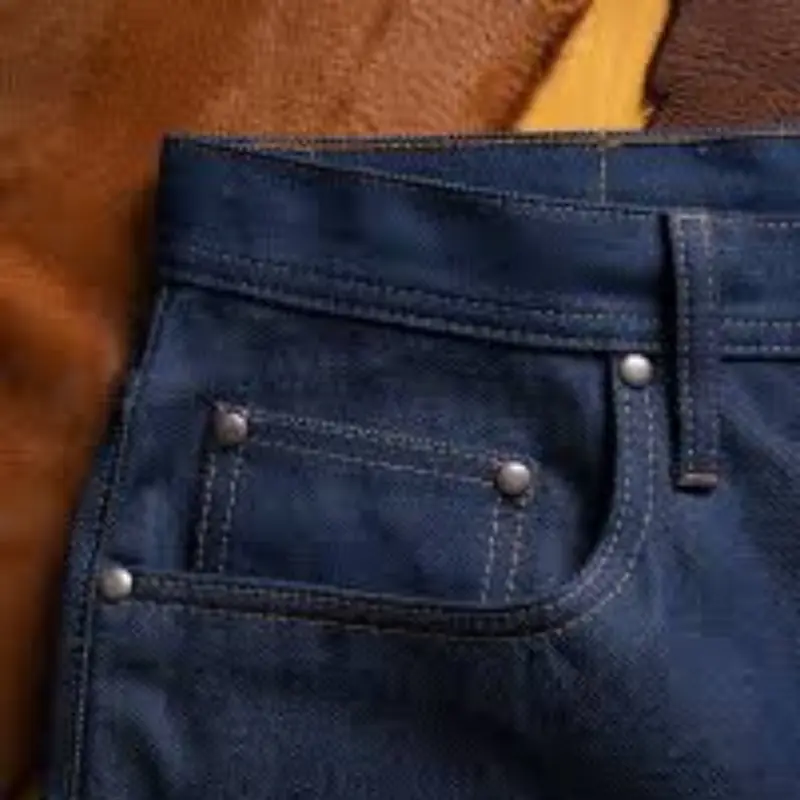
The tiny pocket first appeared in the late 19th century when jeans were designed primarily as durable workwear for miners, cowboys, and laborers. In 1873, Levi Strauss & Co., together with tailor Jacob Davis, patented riveted denim pants designed to withstand tough working conditions.
At the time, wristwatches didn’t exist. Instead, men commonly carried pocket watches attached to chains. These watches were valuable and fragile, and they needed protection from damage while working.
The solution? A small, reinforced pocket sewn inside the larger front pocket—specifically sized to hold a pocket watch securely.
Originally known as the “watch pocket,” this tiny compartment kept watches safe from scratches, falls, and rough movement.
Why It Hasn’t Disappeared
Over time, fashion evolved. Pocket watches gave way to wristwatches in the early 20th century. Yet the small pocket remained.
Why?
Because denim design values tradition. Jeans are one of the few clothing items that have retained much of their original structure for over a century. The tiny pocket became part of the classic five-pocket design, which includes:
-
Two front pockets
-
Two back pockets
-
One small watch pocket
Even though its original purpose faded, the small pocket became a recognizable feature of authentic denim jeans.
How People Use It Today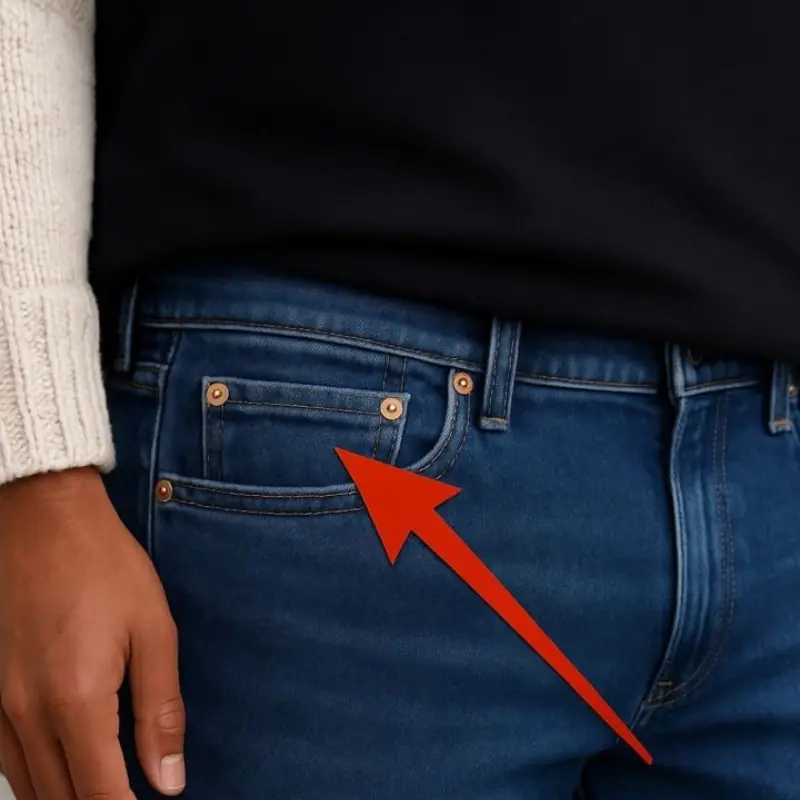
While it was originally designed for pocket watches, modern wearers have found creative uses for it, including:
-
Coins
-
Guitar picks
-
Rings or small jewelry
-
USB drives
-
Lighters
-
Earbuds
However, due to the rise of smartphones and larger accessories, the pocket’s practical value has diminished. It now functions more as a design signature than a daily necessity.
A Symbol of Durability
The tiny pocket is also reinforced with metal rivets—just like the main pockets. These rivets were revolutionary when first introduced. They prevented seams from tearing under stress, which was common in heavy labor environments.
That reinforcement helped jeans become known as durable, reliable workwear. The tiny pocket, despite its size, contributed to the overall strength and structure of the garment.
Why Brands Keep It
From a manufacturing perspective, removing the pocket wouldn’t significantly reduce production costs. Instead, keeping it preserves the classic identity of denim.
Consumers associate the five-pocket layout with authenticity. Removing the small pocket might make jeans feel incomplete or unfamiliar.
In fashion, tradition matters. The tiny pocket represents continuity—a link between modern style and 19th-century craftsmanship.
More Than Just Decoration
Some fashion historians argue that the tiny pocket symbolizes practicality and innovation. It reminds us that many design features we take for granted today were once essential tools for daily life.
Even though most people no longer carry pocket watches, the small pocket remains a subtle tribute to the era that shaped denim culture.
The Evolution of Denim
Jeans have transformed from rugged workwear to global fashion staples. They’re worn by people of all ages, professions, and lifestyles. Yet despite countless changes in cuts, washes, and trends, the tiny pocket persists.
Its survival highlights something unique about denim: it balances function and tradition.
The Bottom Line
That tiny pocket on your jeans isn’t random. It was originally designed in the 1800s to protect pocket watches worn by workers and cowboys. Over time, it became a signature element of classic denim design.
Today, it may hold coins or small accessories—or nothing at all. But it remains a small piece of history stitched into every pair of traditional jeans.