According to Sohu, a case was recently reported in Hubei, China, where a 6-year-old boy named Xiao Tong suffered a stroke.
One morning, Xiao Tong woke up with a severe headache. At first, his family assumed it was just an ordinary cold and paid little attention. However, just two days later, his condition worsened—he began vomiting, his mouth became crooked, his eyes turned cross, and one side of his body became limp. Terrified, his parents rushed him to the local hospital.
Illustrative Image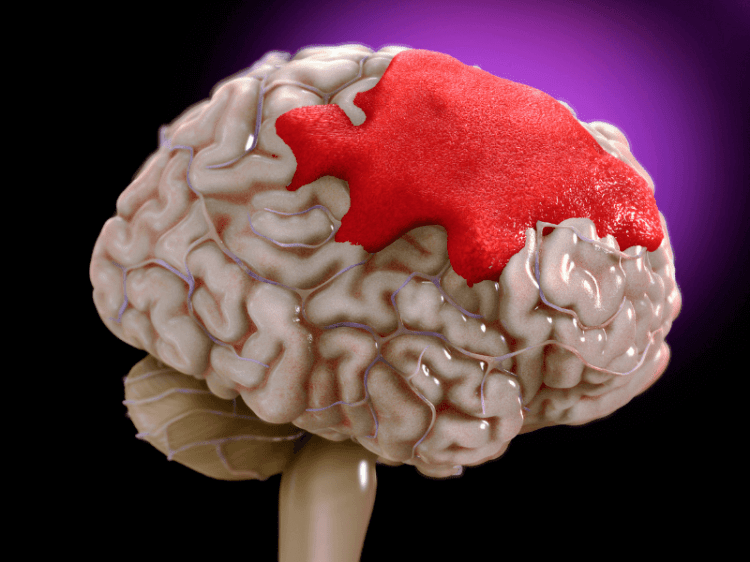
The diagnosis was shocking: Xiao Tong had suffered an ischemic stroke. He was immediately transferred to Wuhan Children’s Hospital for further treatment. There, doctors discovered that the blood vessels in his brain were completely blocked and he needed emergency surgery. Although his life was saved, his future now depends on a long and complex process of medical treatment and physical rehabilitation.
Xiao Tong’s heartbreaking story has raised the question: why can a condition often associated with middle-aged and elderly people also occur in children?
Dr. Guo Qing from the Hospital of Traditional Chinese Medicine recently provided recommendations regarding strokes in children.
4 Unexpected Causes of Stroke in Children
-
Head Injuries
The intracranial arteries of children are very delicate. If a child suffers a head injury from a fall or collision, blood clots may form, blocking cerebral arteries and causing a stroke. In Xiao Tong’s case, he had fallen while playing, but his parents overlooked it at first.
-
Infections Leading to Inflammation
Infections can cause vascular inflammation, leading to blockage. Inflammation not only narrows blood vessels but also produces harmful chemicals that increase stroke risk.
-
Obesity
Obese children face a higher risk of hypertension, hyperlipidemia, and diabetes—all of which are known risk factors for stroke.
-
Excessive Mental Stress
Children who endure prolonged stress from studying or playing video games may also face an increased risk of stroke. Persistent stress can negatively impact their overall health.
4 Warning Signs of Stroke in Children Parents Should Never Ignore
Doctors stress that parental vigilance is vital for early detection. If any of the following four symptoms appear, children should be taken to the hospital immediately:
-
Facial Asymmetry
Stroke can cause facial paralysis on one side, leading to a crooked mouth and visible asymmetry. -
Weakness or Numbness on One Side of the Body
If a child cannot raise an arm or leg on one side, or feels numbness, it requires immediate medical attention. -
Speech Difficulties
Sudden slurred speech or an enlarged tongue may indicate a lack of blood supply to the brain. -
Blurred Vision, Vomiting, or Fainting
These are serious symptoms that need urgent treatment.
How to Prevent Stroke in Children
-
Avoid Risky Activities
Limit children’s participation in activities that may cause head injuries. If they do suffer a head or neck injury, they should be taken to the hospital for examination. -
Reduce Stress and Fatigue
Research from Cambridge University shows that fatigue may be linked to stroke risk. Parents should ensure their children get adequate rest and limit their screen time. -
Maintain a Healthy Diet and Exercise
Encourage children to eat plenty of vegetables and fruits while avoiding fast food to prevent obesity. Parents should also involve their children in outdoor sports to boost their health and improve blood circulation.