Washing rice is a standard step before cooking, especially in many Asian households. It helps remove excess starch, dust, and impurities from the grains. However, where you wash your rice matters just as much as how you wash it.
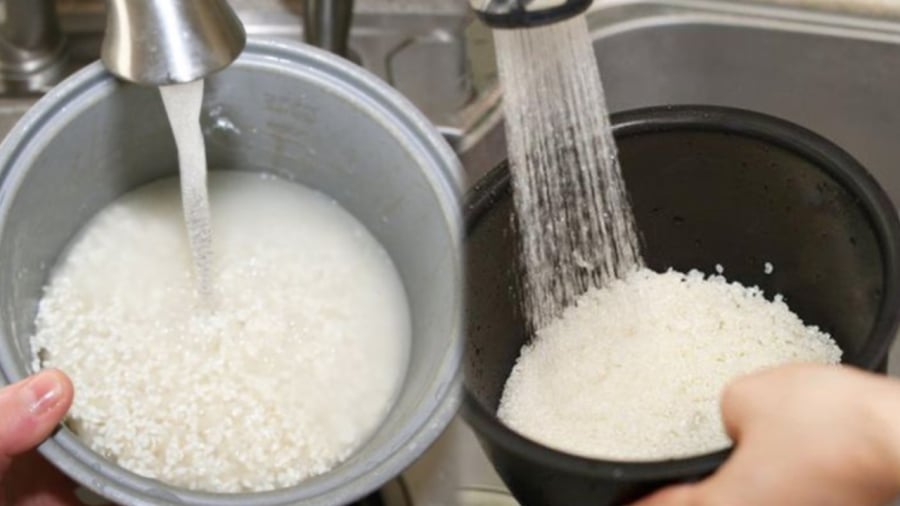
Many people rinse rice directly in the inner pot of a rice cooker for convenience. While this may seem harmless, it can actually lead to long-term damage to the appliance and affect cooking performance.

Understanding the Rice Cooker Inner Pot
The inner pot of a rice cooker is not just any container—it’s a precision-designed component. Most inner pots are coated with a non-stick layer and engineered to ensure even heat distribution.
This coating is essential because it:
- Prevents rice from sticking
- Ensures consistent cooking results
- Extends the lifespan of the cooker
However, it is also delicate and can be easily damaged if not handled properly.
1. Risk of Scratching the Non-Stick Coating
When washing rice, people often:
- Rub the grains together
- Use their hands or even utensils to stir
- Apply pressure while rinsing
Over time, this repeated friction can scratch or wear down the non-stick coating inside the pot.
Once damaged, the pot may:
- Cause rice to stick and burn
- Cook unevenly
- Become harder to clean
Even small scratches can gradually reduce the effectiveness of the coating.
2. Reduced Lifespan of the Rice Cooker
The inner pot is one of the most important (and often expensive) parts of a rice cooker. Damaging it through improper use can shorten the overall lifespan of the appliance.
Replacing the inner pot can be costly, and in some cases, it may be difficult to find a compatible replacement.
3. Risk of Water Damage to the Cooker
Another often overlooked issue is water exposure.
When washing rice directly in the inner pot, it’s easy to accidentally:
- Spill water onto the outer surface of the pot
- Leave the bottom of the pot wet
If the pot is placed back into the rice cooker while still wet, it can:
- Affect the heating element
- Cause electrical issues
- Reduce cooking efficiency
In worst cases, it may even lead to safety hazards.
4. Less Effective Cleaning of Rice
Ironically, washing rice in the inner pot may not even be the best way to clean it.
Using a separate bowl or strainer allows you to:
- Rinse more thoroughly under running water
- Drain water easily without losing grains
- Control the washing process better
This results in cleaner rice and better cooking outcomes.
5. Hygiene and Maintenance Concerns
Over time, repeated washing in the inner pot can lead to:
- Residue buildup
- Micro-scratches that trap dirt
- Difficulty maintaining cleanliness
A well-maintained inner pot not only performs better but also ensures safer and more hygienic cooking.
The Better Way to Wash Rice
To protect your rice cooker and improve your cooking results, follow this simple method:
- Place rice in a separate bowl or container
- Rinse under clean water, gently stirring
- Drain and repeat until the water becomes clearer
- Transfer the cleaned rice into the rice cooker pot
- Add the appropriate amount of water for cooking
This small change can make a big difference over time.
A Small Habit That Saves You Money
It might seem like a minor detail, but avoiding washing rice in the inner pot can:
- Extend the life of your rice cooker
- Maintain cooking quality
- Reduce repair or replacement costs
It’s a simple adjustment that protects both your appliance and your daily routine.
Final Thoughts
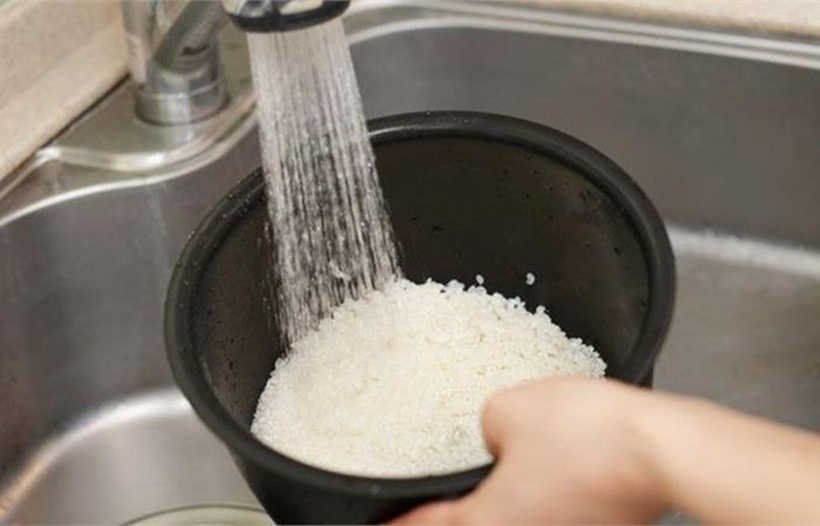
Convenience often leads people to wash rice directly in the rice cooker bowl, but this habit comes with hidden downsides. From damaging the non-stick coating to risking electrical issues, the long-term effects can outweigh the short-term ease.
By switching to washing rice in a separate container, you not only protect your equipment but also improve the overall quality of your meals.
Sometimes, the smartest kitchen habits are the ones that seem small - but make a lasting impact.