
Why Public Bathroom Doors Don’t Reach the Floor: The Surprising Reasons Behind the Design
If you’ve ever used a public restroom, you’ve probably noticed one common feature: the stall doors never fully reach the floor. While this design can feel awkward or uncomfortable, it is actually intentional—and serves several practical purposes.
Experts say this gap is not a flaw, but a carefully considered design choice.
Designed for Safety and Emergencies
One of the most important reasons for the gap is safety.
If someone inside a stall experiences a medical emergency—such as fainting—the space underneath allows others to:
- Check if the stall is occupied
- Identify if someone needs help
- Access the person more easily
This design can be crucial in situations where every second matters.
Improves Cleaning and Maintenance
Public restrooms require frequent cleaning, and the gap makes the process significantly easier.
Without floor-to-door contact, cleaning staff can:
- Mop floors quickly across all stalls
- Avoid dirt buildup around edges
- Maintain better hygiene overall
This helps keep restrooms cleaner and more sanitary in high-traffic areas.
Helps Reduce Misuse
Another reason for the design is to discourage inappropriate behavior.
The open gap increases visibility at ground level, making it harder for people to misuse stalls for activities other than their intended purpose. This can help improve overall safety and security in public spaces.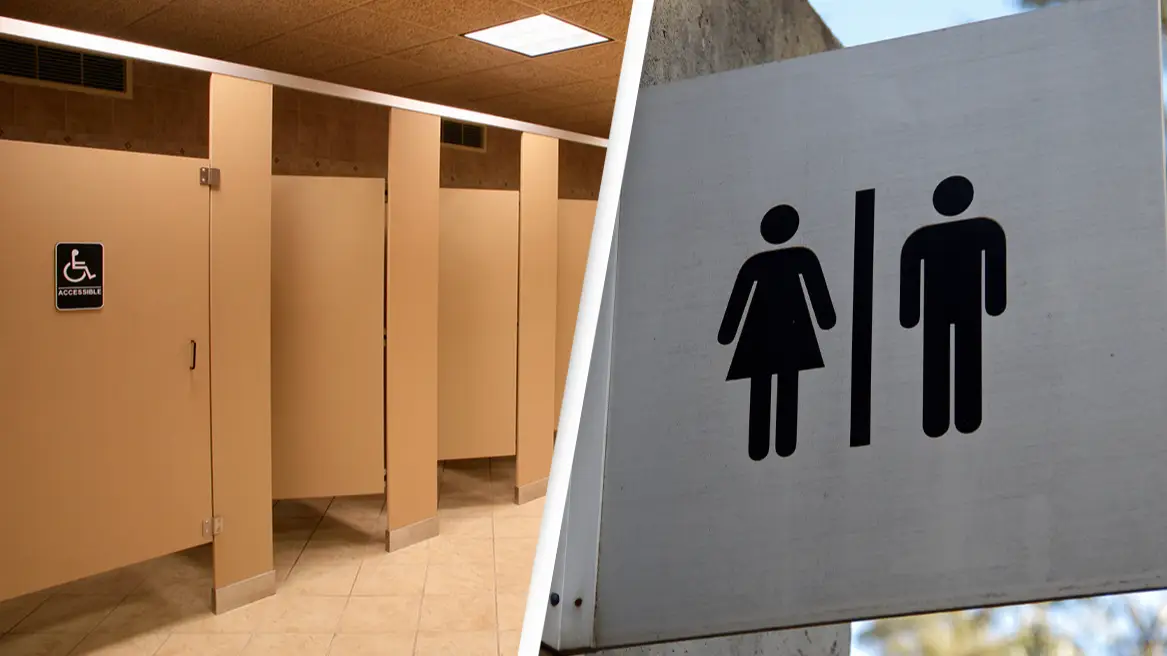
Better Air Circulation
Ventilation is another key factor.
The space beneath the door allows for improved airflow, which helps:
- Reduce unpleasant odors
- Prevent moisture buildup
- Maintain a more comfortable environment
This is especially important in busy restrooms where air can quickly become stale.
Cost-Effective and Practical
From a construction perspective, shorter doors are also more economical.
They:
- Use less material
- Are easier to install
- Require less precise alignment
This makes them a practical choice for large-scale public facilities.
Why It Still Feels Uncomfortable
Despite these benefits, many people feel uneasy about the lack of privacy.
The visible gap can create a sense of exposure, especially in crowded restrooms. However, designers balance this concern with the need for safety, hygiene, and efficiency.
The Bottom Line
Public restroom doors may seem oddly designed, but the gap at the bottom serves multiple purposes—from improving safety and cleanliness to reducing costs and enhancing ventilation.
What appears inconvenient is actually a thoughtful design solution shaped by real-world needs.