Almost everyone uses bath towels every single day, yet very few people ever stop to wonder about one strange detail: those woven lines or bands that appear near the ends of most towels. Some people think they are simply decorative. Others assume they are there to help fold the towel evenly. But the truth is far more interesting.
Those lines actually serve important purposes related to durability, absorbency, structure, and manufacturing quality. Towel designers and textile engineers carefully include them for practical reasons that most consumers never notice.
The next time you pick up a bath towel, take a closer look. Those mysterious lines are not random at all.
What Are the Lines on Towels Called?
The woven bands commonly found near the edges of bath towels are often called:
- Dobby borders
- Dobby bands
- Decorative borders
In textile manufacturing, a “dobby weave” refers to a special weaving technique that creates geometric patterns or flatter woven sections within fabric.
Unlike the fluffy loops that make up most of the towel surface, these bands are woven more tightly and flatly.
Although they may look simple, they serve several surprisingly important functions.
1. The Lines Help Prevent the Towel From Fraying
One of the biggest reasons towels include these woven lines is durability.
Bath towels go through enormous stress over time:
- Repeated washing
- High heat drying
- Pulling
- Twisting
- Moisture exposure
Without structural reinforcement, towels could lose their shape or fray much faster.
The woven lines act like stabilizing zones that strengthen the towel’s structure. They help prevent the fabric from unraveling and reduce wear along key areas.
This is especially important because towel fibers naturally weaken after hundreds of wash cycles.
2. They Help the Towel Keep Its Shape
Have you ever noticed how old towels sometimes become stretched, uneven, or warped?
The woven bands help reduce this problem.
Because the lines are woven tighter than the rest of the towel, they help maintain the towel’s dimensions and structure. They act almost like built-in support beams inside the fabric.
Without these stabilizing sections, towels could:
- Curl at the edges
- Stretch unevenly
- Lose their rectangular shape faster
The lines help towels stay flatter and more balanced after repeated use.
3. The Lines Improve Absorbency Balance
This may sound surprising, but the woven lines can actually help improve overall towel performance.
The fluffy looped areas of towels are highly absorbent because they trap water between fibers. However, if the entire towel were made only of thick loops, it could become:
- Too heavy
- Slow to dry
- More difficult to wash properly
The flatter woven bands create areas with less bulk, helping balance the towel’s structure and airflow.
This contributes to:
- Faster drying
- Reduced mildew risk
- Better fabric balance
In other words, those lines help towels function more efficiently.
4. They Make Towels Easier to Fold and Handle
Although this is not the primary reason for the lines, it does provide a practical benefit.
The woven bands create natural visual sections that make towels:
- Easier to fold evenly
- Easier to stack
- More organized in storage
Hotels and luxury spas especially appreciate this because neatly folded towels create a cleaner and more elegant appearance.
The lines help towels look more symmetrical and polished.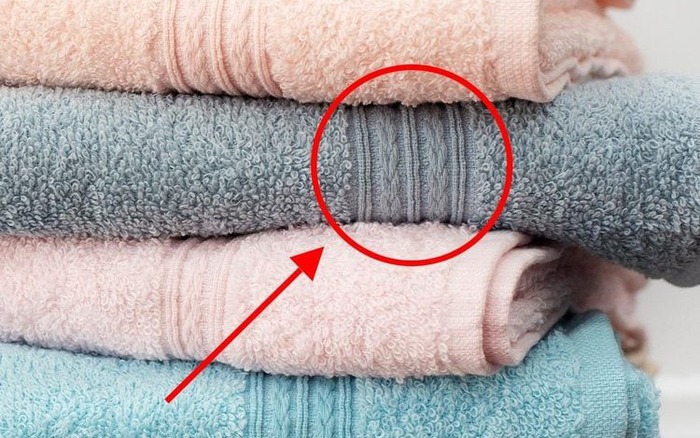
5. They Add a Decorative Touch
Of course, aesthetics also matter.
Towels are not just functional items anymore — they are part of bathroom design and home decor.
Manufacturers use woven borders to:
- Add texture
- Create elegant patterns
- Make towels appear more luxurious
- Differentiate product styles
Some high-end towels feature intricate dobby designs that enhance their visual appeal while still maintaining functionality.
The lines often give towels a more premium appearance compared to completely plain designs.
6. The Lines Can Reduce Fabric Shrinkage
Cotton towels naturally shrink over time due to repeated washing and drying.
The tightly woven bands help control how the fabric contracts during laundering. They create tension zones that reduce uneven shrinkage and help towels maintain more consistent proportions.
This may help extend the towel’s lifespan and preserve its appearance longer.
7. They Improve Manufacturing Efficiency
The lines also serve an important role during production.
In textile factories, woven borders help:
- Guide cutting and finishing
- Maintain weave consistency
- Reinforce stress points during sewing
These structural sections make towels easier to produce at high quality while reducing manufacturing defects.
What seems like a tiny design feature actually helps support the entire production process.
Why Are Towel Loops Different From the Border?
The fluffy part of a towel is made from looped fibers called terry cloth.
Terry cloth is designed specifically for:
- Maximum absorbency
- Softness
- Water retention
The woven lines, however, use a flatter and tighter weave because their job is structural rather than absorbent.
This contrast between fluffy loops and flat bands creates a balance between softness and durability.
Do Expensive Towels Have Better Lines?
In many cases, yes.
Luxury towels often use higher-quality weaving techniques and stronger dobby borders. Premium towels may include:
- Double-stitched borders
- Decorative jacquard patterns
- Reinforced edges
- High-density cotton weaving
These features improve durability and give towels a softer, thicker, and more luxurious feel.
Cheaper towels sometimes have thinner or poorly constructed borders that wear out faster after washing.
Why Hotel Towels Often Have Distinctive Borders
Hotels wash towels constantly — sometimes hundreds of times per year.
Because of this, hotel towels are designed for extreme durability.
Their woven borders help:
- Prevent rapid wear
- Maintain shape after industrial washing
- Keep towels looking clean and professional
That is why many hotel towels feature strong, noticeable dobby bands.
These towels are engineered to survive repeated laundering without quickly falling apart.
The Science Behind Towel Construction
A towel may seem like a simple household item, but towel engineering is surprisingly advanced.
Manufacturers carefully balance:
- Fiber density
- Loop height
- Cotton quality
- Weave structure
- Drying speed
- Durability
The woven lines are part of this engineering process.
Without them, towels would likely wear out faster, dry poorly, and lose their shape much sooner.
Common Myths About Towel Lines
Myth 1: The Lines Are Only Decorative
False. While they do improve appearance, their primary functions are structural and practical.
Myth 2: The Lines Reduce Absorbency
Not exactly. They slightly reduce absorbency in those specific sections, but they help improve the towel’s overall balance and drying performance.
Myth 3: Cheap Towels and Luxury Towels Use the Same Borders
Not usually. Higher-quality towels often use stronger weaving techniques and more durable construction.

Final Thoughts
Most people use towels every day without ever thinking about the small woven lines built into the fabric. Yet these simple-looking bands play a surprisingly important role in how towels function.
They help prevent fraying, maintain shape, improve durability, support absorbency balance, and even enhance the towel’s appearance.
What appears to be a decorative detail is actually a smart piece of textile engineering hidden in plain sight.
The next time you grab a towel after a shower, take a closer look at those mysterious lines — because they are doing far more work than most people ever realize.