Waking up and discovering drool on your pillow can feel embarrassing or strange, but it is actually far more common than most people think. Many adults occasionally drool during sleep, and in many cases, it is completely harmless. However, persistent or excessive drooling may sometimes reveal important clues about your sleeping habits, breathing patterns, or overall health.
Your body communicates in subtle ways while you sleep. Snoring, teeth grinding, sleep talking, and drooling can all provide signals about what is happening internally. Although drooling is often linked to deep sleep or sleeping position, it can also be associated with nasal congestion, stress, medications, or even certain medical conditions.
So why does drooling happen, and what might your body be trying to tell you?
What Causes Drooling During Sleep?
Drooling occurs when saliva escapes from the mouth during sleep. Normally, saliva is swallowed automatically throughout the night without conscious effort. However, certain factors may interfere with this process.
Common reasons include:
- Sleeping position
- Mouth breathing
- Deep sleep
- Blocked sinuses
- Excess saliva production
- Relaxed facial muscles
When the muscles around the mouth become fully relaxed, saliva may leak out more easily, especially if the mouth remains open during sleep.
In many cases, occasional drooling is completely normal. But persistent drooling may sometimes indicate an underlying issue worth paying attention to.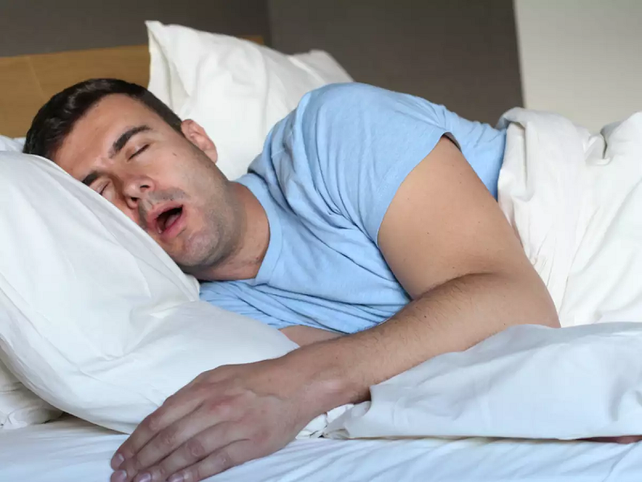
1. You May Be Sleeping Very Deeply
One surprisingly positive reason for drooling is deep sleep.
During deep sleep stages, the body becomes extremely relaxed. Muscles loosen, breathing slows, and swallowing reflexes may become less active.
If you drool occasionally, it may simply mean your body entered a highly restorative stage of sleep.
People who are sleep-deprived sometimes notice increased drooling because the body quickly falls into deeper sleep cycles when finally allowed to rest properly.
So in some cases, drooling can actually be a sign that your body is getting the rest it needs.
2. Your Sleeping Position Could Be the Main Cause
Sleeping position is one of the biggest factors behind nighttime drooling.
People who sleep on:
- Their side
- Their stomach
are much more likely to drool because gravity allows saliva to flow out of the mouth more easily.
Back sleepers tend to drool less because saliva naturally stays toward the back of the throat, where it can be swallowed more efficiently.
If drooling mainly happens occasionally and you sleep on your side, your sleeping position may simply be the explanation.
3. You Might Be Breathing Through Your Mouth
Mouth breathing is another very common cause of drooling.
When nasal passages become blocked, people often breathe through the mouth during sleep. This keeps the mouth open longer and increases the likelihood of saliva escaping.
Common causes of mouth breathing include:
- Allergies
- Colds
- Sinus infections
- Nasal congestion
- Deviated septum
People who wake up with:
- Dry mouth
- Bad breath
- Sore throat
- Drool on the pillow
may be breathing through their mouths overnight without realizing it.
4. Allergies or Sinus Problems Could Be Affecting You
If drooling happens frequently alongside congestion, your sinuses may be involved.
Blocked nasal passages force the body to adapt by breathing through the mouth. This increases airflow through the mouth and reduces normal swallowing patterns during sleep.
Seasonal allergies are especially common triggers.
Many people notice more nighttime drooling during:
- Allergy season
- Cold weather
- Respiratory infections
Treating underlying nasal congestion may help reduce drooling significantly.
5. Certain Medications Can Increase Saliva Production
Some medications may increase saliva production or affect swallowing reflexes.
Examples include certain:
- Antidepressants
- Sedatives
- Antipsychotics
- Neurological medications
When saliva production increases during sleep, the body may not swallow efficiently enough to keep up, leading to drooling.
If excessive drooling begins shortly after starting a new medication, it may be worth discussing with a healthcare professional.
6. Stress and Exhaustion May Play a Role
High stress levels and extreme fatigue can influence sleep quality and body function.
When the body becomes overly exhausted, sleep may become deeper and heavier than usual. This can increase muscle relaxation and make drooling more likely.
Stress can also contribute indirectly through:
- Teeth grinding
- Mouth breathing
- Sleep disturbances
- Poor sleep posture
In some cases, improving sleep hygiene and stress management may reduce nighttime drooling.
7. Acid Reflux May Be Triggering Excess Saliva
Acid reflux and GERD (gastroesophageal reflux disease) can sometimes increase saliva production.
This happens because the body may produce extra saliva in response to stomach acid irritation in the esophagus.
People with reflux-related drooling may also experience:
- Heartburn
- Sour taste in the mouth
- Chest discomfort
- Chronic throat irritation
Nighttime reflux often becomes worse when lying flat, which may contribute to both drooling and disrupted sleep.
8. Sleep Apnea Could Be a Warning Sign
Frequent drooling combined with loud snoring, choking during sleep, or daytime fatigue may sometimes point to sleep apnea.
Sleep apnea is a condition where breathing repeatedly stops and starts during sleep.
Symptoms may include:
- Heavy snoring
- Mouth breathing
- Morning headaches
- Dry mouth
- Excessive daytime sleepiness
- Restless sleep
Because sleep apnea can affect oxygen levels and long-term health, persistent symptoms should not be ignored.
9. Dental Problems May Contribute
Oral health can also influence drooling.
Issues such as:
- Misaligned teeth
- Jaw problems
- Infections
- Ill-fitting dental appliances
may interfere with how saliva is controlled during sleep.
Some people also drool more while wearing new retainers or dentures because the mouth initially responds by producing extra saliva.
10. Neurological Conditions Can Affect Swallowing
In rare cases, excessive drooling may be linked to neurological conditions that affect muscle control and swallowing reflexes.
Conditions such as:
- Parkinson’s disease
- Stroke
- Multiple sclerosis
can sometimes interfere with saliva management.
However, occasional drooling by itself does not mean someone has a neurological disorder. Persistent or severe symptoms combined with other neurological changes would require medical evaluation.
When Should You Be Concerned?
Occasional drooling is usually harmless. However, you may want to seek medical advice if drooling:
- Happens very frequently
- Suddenly becomes severe
- Disrupts sleep
- Comes with breathing problems
- Causes choking
- Occurs alongside other symptoms
Pay attention if drooling is accompanied by:
- Loud snoring
- Persistent fatigue
- Difficulty swallowing
- Facial weakness
- Speech changes
These signs may indicate a more serious underlying issue.
How to Reduce Drooling During Sleep
Fortunately, several simple changes may help reduce nighttime drooling.
Try Changing Your Sleeping Position
Sleeping on your back may help keep saliva inside the mouth more effectively.
Treat Nasal Congestion
Managing allergies or sinus issues can improve nasal breathing.
Improve Sleep Hygiene
Better sleep quality may reduce abnormal sleep patterns and mouth breathing.
Stay Hydrated
Dehydration can affect saliva consistency and mouth comfort.
Address Acid Reflux
Avoid heavy meals before bedtime and elevate the head slightly if reflux is a problem.
Consult a Doctor if Symptoms Persist
Persistent drooling should be evaluated if it affects sleep quality or daily life.
Final Thoughts
Drooling during sleep is far more common than most people realize. In many cases, it simply reflects deep sleep, side sleeping, or temporary nasal congestion. However, persistent drooling may also provide clues about breathing patterns, sleep quality, allergies, reflux, or other health conditions.
Your body often sends subtle signals while you sleep — and drooling can sometimes be one of them.
While occasional drooling is usually harmless, paying attention to changes in sleep habits and related symptoms can help you better understand what your body may be trying to tell you.