4 Things in Your Home That Silently Harm Your Lungs
Cells need oxygen to function and grow. The lungs are the organs responsible for bringing oxygen from the outside environment into the body. However, inside our homes, there may be several hidden factors that silently damage the lungs without people realizing it.
Healthy lungs help the body receive the oxygen it needs. On average, a person breathes about 25,000 times a day, according to the American health website Healthline.
The American Lung Association (ALA) notes that common symptoms of lung disease include a cough lasting more than 8 weeks, shortness of breath, excessive mucus in the airways, and chronic chest pain. If these signs appear, patients should see a doctor for examination.
In addition, people should avoid the following hidden indoor factors that may harm the lungs: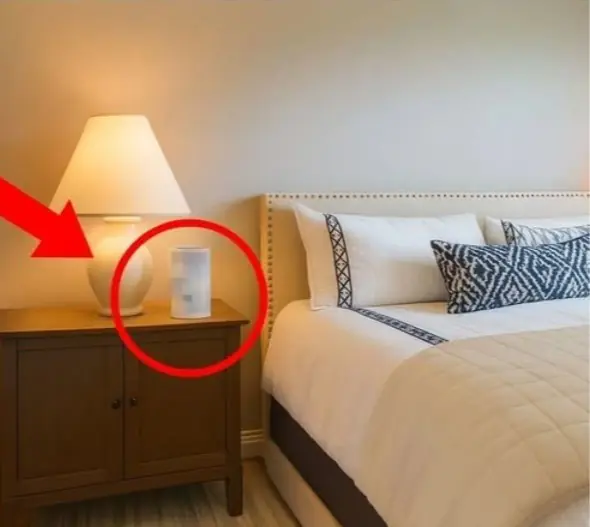
Cockroaches
Cockroaches are nocturnal tropical insects. If you see them during the daytime, it may mean their population has grown significantly. Cockroaches often enter homes through cracks and gaps around the house.
The U.S. Centers for Disease Control and Prevention (CDC) lists cockroaches as a source of allergies and asthma triggers.
Humidifiers
Humidifiers can help relieve cold and respiratory symptoms while also addressing problems caused by dry air, such as nosebleeds and dry sinuses.
However, if humidifiers are not cleaned thoroughly and regularly, they can become breeding grounds for mold and bacteria. In that case, humidifiers may contribute to pneumonia, according to the Mayo Clinic, a nonprofit medical organization in the United States.
To reduce the risk of pneumonia, experts recommend cleaning humidifiers every three days. Using distilled or demineralized water can also help reduce mineral buildup, which encourages bacterial growth.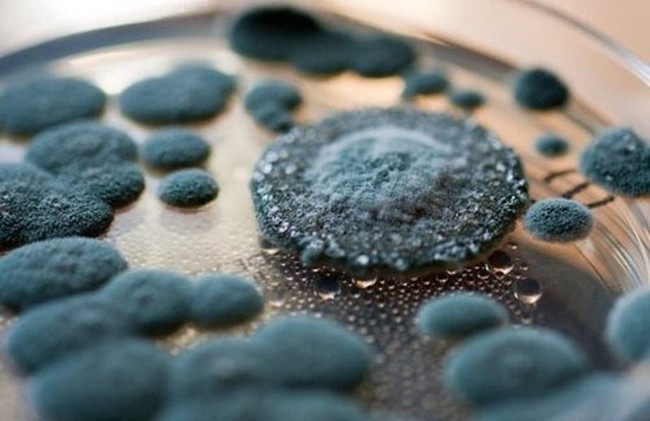
Mold
Mold not only grows on surfaces but can also float in the air. Anyone who inhales mold spores may experience allergies, coughing, wheezing, or asthma.
In addition, mold exposure may cause other symptoms such as nasal congestion, itchy eyes, and red eyes. People exposed to excessive amounts of mold, such as when handling moldy hay, may develop severe reactions including difficulty breathing and fever.
Carpets
Carpets can accumulate dust, bacteria, and pet hair, negatively affecting lung and respiratory health. For people with asthma or pneumonia, dirty carpets may worsen their condition.
To protect lung health, household items should be cleaned regularly. In addition, people should exercise consistently, prevent infections, and undergo regular health checkups, according to Healthline.