Avocados are often praised as one of the healthiest foods on the planet. Packed with healthy fats, fiber, vitamins, and antioxidants, they have become a favorite among health-conscious eaters worldwide. From smoothies and salads to toast and guacamole, avocados are now part of countless modern diets.
But while avocados offer many nutritional benefits, they are not perfect for everyone. Like many healthy foods, consuming too much or eating them under certain conditions may lead to unwanted side effects or health concerns.
Understanding both the benefits and the risks is important for maintaining balance in your diet. Here are seven important risks of eating avocados you shouldn’t ignore.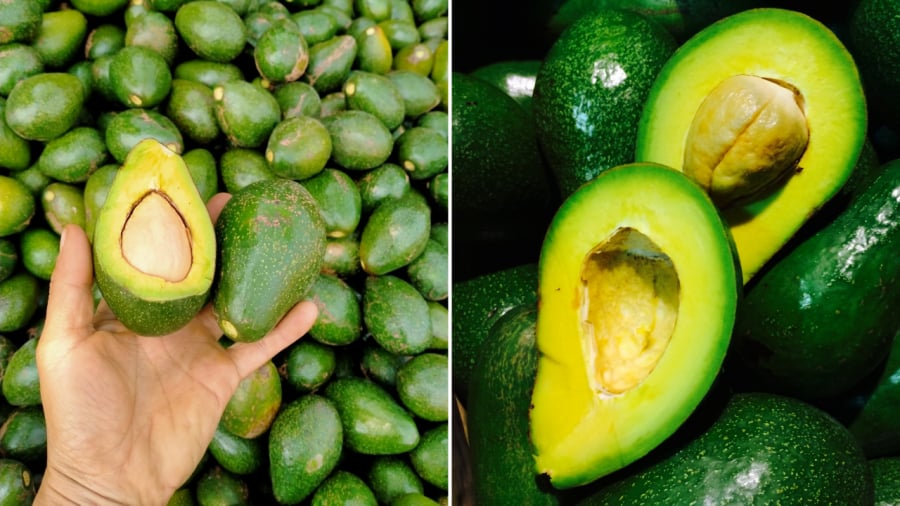
1. Avocados Are High in Calories
One of the biggest misconceptions about avocados is that people can eat unlimited amounts because they are considered “healthy.”
Although avocados contain healthy fats, they are still calorie-dense foods.
A single avocado can contain:
- Hundreds of calories
- Significant amounts of fat
- Large portions of daily energy intake
Healthy fats are beneficial, but excessive calorie consumption may still contribute to weight gain if not balanced properly with overall diet and activity levels.
Many people unintentionally overeat avocados by adding them to:
- Toast
- Smoothies
- Salads
- Sandwiches
- Dips
without realizing how quickly calories add up.
Moderation remains important, even with nutritious foods.
2. They May Cause Digestive Discomfort
Some individuals experience digestive issues after eating avocados.
Possible symptoms may include:
- Bloating
- Gas
- Stomach discomfort
- Diarrhea
This may happen because avocados contain high amounts of:
- Fiber
- Natural fats
- Certain carbohydrates
For sensitive individuals, eating large portions may overwhelm digestion, especially if the body is not used to high-fiber foods.
People with irritable bowel syndrome (IBS) or sensitive digestive systems may notice stronger reactions.
3. Avocados May Trigger Allergic Reactions
Although uncommon, avocado allergies do exist.
Some individuals may experience symptoms such as:
- Itching
- Swelling
- Rash
- Digestive upset
- Difficulty breathing in severe cases
Interestingly, avocado allergies are sometimes linked to latex allergy because the proteins can be similar.
This is known as latex-fruit syndrome.
People allergic to:
- Latex
- Bananas
- Kiwi
- Chestnuts
may have a higher chance of reacting to avocados as well.
Severe allergic reactions require immediate medical attention.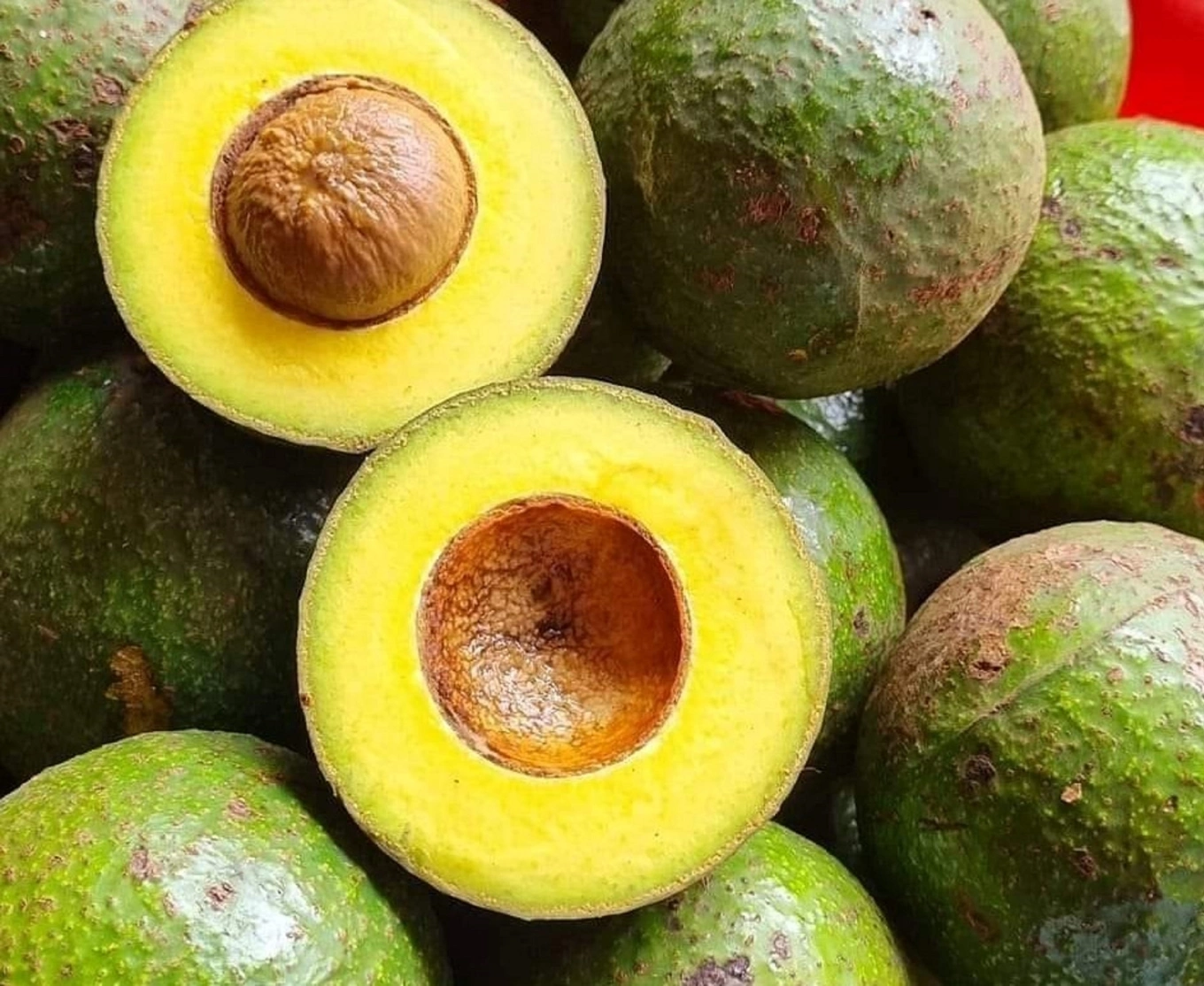
4. They Can Interact With Certain Medications
Avocados contain vitamin K, which plays an important role in blood clotting.
While vitamin K is beneficial for most people, individuals taking blood-thinning medications such as warfarin may need to monitor their vitamin K intake carefully.
Sudden large changes in vitamin K consumption could potentially affect how certain medications work.
Additionally, avocados are high in potassium, which may be an issue for individuals taking medications that influence potassium balance.
Anyone with medical conditions or prescription medications should discuss dietary concerns with a healthcare professional.
5. Excessive Intake May Affect Kidney Health in Some People
Avocados are rich in potassium, an important mineral that supports:
- Muscle function
- Nerve activity
- Heart health
However, individuals with kidney disease may struggle to remove excess potassium from the body effectively.
Too much potassium can become dangerous for people with impaired kidney function.
Because avocados contain significant potassium levels, individuals with kidney-related conditions are often advised to monitor intake carefully.
For healthy individuals, potassium is generally beneficial. But certain medical conditions require caution.
6. Avocados Can Be Expensive and Easy to Overconsume
This may sound less like a health risk, but it still matters.
Because avocados are marketed as a “superfood,” many people assume more is always better.
This mindset may lead to:
- Overeating
- Imbalanced diets
- Excess calorie intake
- Ignoring dietary variety
No single food should dominate a healthy eating pattern.
A balanced diet should include a wide range of fruits, vegetables, proteins, grains, and healthy fats — not just one trendy food.
Overdependence on any single “health food” may reduce nutritional diversity over time.
7. Some Avocado Products Contain Hidden Additives
Not all avocado-based products are as healthy as they appear.
Many packaged avocado foods may contain:
- Excess sodium
- Preservatives
- Added oils
- Artificial ingredients
Examples include:
- Packaged guacamole
- Avocado chips
- Avocado-flavored snacks
- Processed spreads
These products can sometimes contain far more calories, sodium, and additives than fresh avocados themselves.
Reading ingredient labels carefully is important.
Fresh avocados are generally far healthier than heavily processed avocado products.
The Benefits Still Matter
Despite these potential risks, avocados remain highly nutritious foods when eaten in moderation.
They contain:
- Healthy monounsaturated fats
- Fiber
- Potassium
- Folate
- Vitamin E
- Antioxidants
Research continues to suggest that moderate avocado consumption may support:
- Heart health
- Satiety
- Skin health
- Nutrient absorption
The key issue is not whether avocados are “good” or “bad,” but rather how much and how often they are consumed.
How Much Avocado Is Reasonable?
For many healthy adults, moderate portions are usually appropriate.
A reasonable serving may be:
- About one-third to one-half of an avocado per meal
This allows people to enjoy the nutritional benefits without excessive calorie intake.
Balance matters more than extremes.
Who Should Be More Careful?
Certain individuals may need to monitor avocado intake more closely, including people with:
- Kidney disease
- Latex allergies
- Digestive sensitivities
- Blood-thinner medications
- Specific dietary restrictions
Listening to your body and consulting a healthcare professional when necessary is always important.
Tips for Eating Avocados More Safely
Watch Portion Sizes
Even healthy fats should be consumed mindfully.
Pair Avocados With Balanced Meals
Combine them with vegetables, lean protein, and whole grains.
Choose Fresh Over Processed
Fresh avocados are usually healthier than processed avocado snacks.
Pay Attention to Reactions
If digestive issues or allergic symptoms appear, reduce intake and seek medical advice if needed.
Final Thoughts
Avocados are nutritious, versatile, and packed with beneficial nutrients. However, like any food, they are not completely risk-free.
From high calorie content and digestive discomfort to medication interactions and potassium concerns, there are several important factors people should understand before eating avocados excessively.
The good news is that most healthy adults can safely enjoy avocados as part of a balanced diet. The key is moderation, variety, and paying attention to how your own body responds.
Sometimes even the healthiest foods can become problematic when consumed without balance — and avocados are no exception.