Across many tropical regions of the world, a small wild plant grows quietly along roadsides, gardens, empty fields, and cracks in sidewalks. Most people walk past it without realizing that this humble herb has been used in traditional medicine for generations. Known scientifically as Euphorbia hirta, this plant is often called the “Asthma Plant” because of its long history in herbal wellness practices.
For centuries, traditional healers in Asia, Africa, and South America have used Euphorbia hirta to support respiratory health, digestion, skin care, and overall wellness. Modern researchers have also begun studying the plant’s natural compounds, discovering that it contains antioxidants, flavonoids, tannins, and other bioactive substances that may contribute to its traditional reputation.
Although Euphorbia hirta is not a miracle cure and should never replace professional medical treatment, its growing popularity has sparked curiosity worldwide. Here’s a closer look at the hidden power of this fascinating medicinal plant and the surprising health benefits people associate with it.
What Is Euphorbia Hirta?
Euphorbia hirta is a small flowering herb that belongs to the Euphorbiaceae family. It typically grows low to the ground and has:
- Hairy stems
- Tiny green leaves
- Small clustered flowers
- A milky sap inside the stems
Because it grows easily in warm climates, it is often considered a wild herb or even a weed. However, in traditional herbal medicine, it has been valued for generations.
Different cultures know the plant by many names, including:
- Asthma plant
- Snake weed
- Pill-bearing spurge
Traditional medicine systems have used various parts of the plant, including the leaves, stems, and extracts.
1. Traditionally Used for Respiratory Support
One of the most famous traditional uses of Euphorbia hirta is supporting respiratory health.
In many herbal traditions, the plant has been used to help with:
- Coughs
- Mild breathing discomfort
- Throat irritation
- Respiratory congestion
This is one reason it earned the nickname “Asthma Plant.”
Some researchers believe certain compounds in the plant may help support airway relaxation and reduce irritation. However, scientific evidence is still limited, and the plant should never replace prescribed asthma medication or emergency treatment.
Still, its historical association with respiratory wellness remains one of its most recognized features.
2. Rich in Antioxidants
Euphorbia hirta contains natural antioxidant compounds such as:
- Flavonoids
- Polyphenols
- Tannins
Antioxidants help protect the body from oxidative stress caused by unstable molecules called free radicals.
Oxidative stress is linked to:
- Aging
- Inflammation
- Cell damage
- Chronic disease risk
By supporting the body’s natural defense systems, antioxidant-rich plants may contribute to overall wellness and healthy aging.
3. May Help Support Digestive Health
Traditional herbal practices often use Euphorbia hirta to support digestion.
Some people have historically used it for:
- Mild stomach discomfort
- Bloating
- Digestive upset
- Diarrhea support
The plant contains compounds believed to have soothing and antimicrobial properties.
In traditional medicine, herbal teas made from the plant were sometimes consumed in small amounts for digestive wellness.
However, scientific research is still ongoing, and dosage safety is important.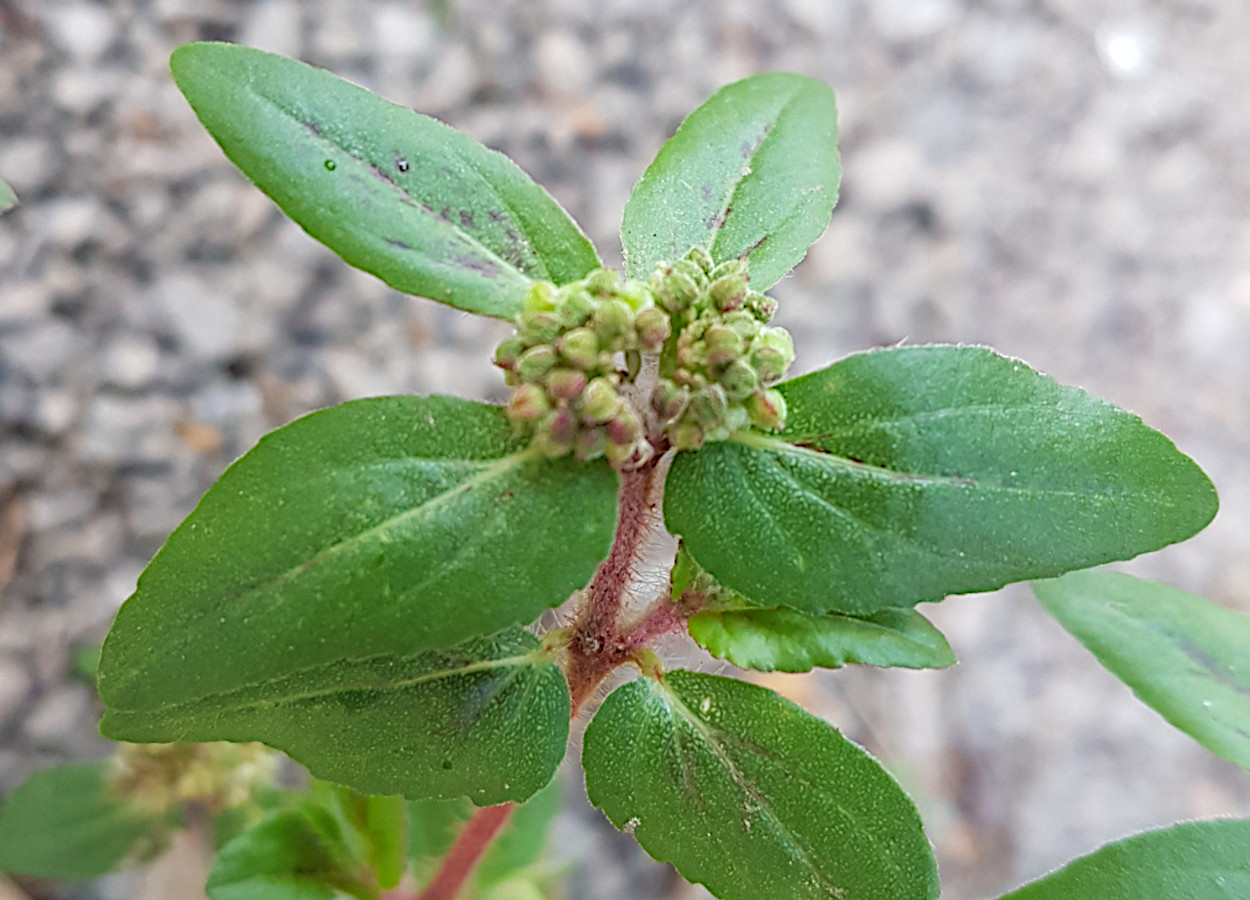
4. Traditionally Used for Skin Care
In some cultures, Euphorbia hirta has been applied externally to the skin.
Traditional uses include helping soothe:
- Minor skin irritation
- Insect bites
- Rashes
- Small wounds
The plant’s antioxidant and antimicrobial compounds may contribute to its popularity in folk remedies.
However, caution is important because the milky sap from some Euphorbia species may irritate sensitive skin in certain individuals.
Testing carefully and avoiding direct use without proper knowledge is essential.
5. May Have Antimicrobial Properties
Researchers have studied Euphorbia hirta for possible antimicrobial effects.
Some laboratory studies suggest the plant contains compounds that may help inhibit certain bacteria and microorganisms.
This traditional reputation contributed to its use in herbal wellness systems for centuries.
Still, laboratory findings do not automatically mean the plant is medically proven for treating infections in humans.
Professional medical treatment remains essential for serious illnesses.
6. Could Help Support Immune Health
Plants rich in antioxidants and bioactive compounds are often associated with immune support.
Because Euphorbia hirta contains various plant compounds, some herbal practitioners believe it may help support the body’s natural defense systems.
A healthy immune system relies on:
- Balanced nutrition
- Sleep
- Hydration
- Physical activity
- Stress management
Herbal plants may sometimes play a supportive role within broader healthy lifestyles.
7. Traditionally Used for Fever and Discomfort
In certain traditional medicine systems, Euphorbia hirta has been used during periods of fever or physical discomfort.
Its plant compounds are believed by some herbal traditions to have cooling or soothing effects.
This traditional use has contributed to the plant’s continued popularity in herbal communities.
However, fever can sometimes signal serious illness, so medical evaluation is important when symptoms are severe or persistent.
8. May Help Reduce Inflammation
Inflammation is a natural body response, but chronic inflammation may contribute to long-term health problems.
Some compounds found in Euphorbia hirta are currently being studied for possible anti-inflammatory effects.
Traditional herbal medicine has long associated the plant with soothing discomfort and supporting physical balance.
Although promising, more clinical research is still needed to fully understand these effects in humans.
9. Used in Traditional Herbal Teas
One of the most common traditional preparations is herbal tea made from dried leaves or stems.
People have historically consumed small amounts as part of traditional wellness practices.
These herbal preparations are often associated with:
- Relaxation
- Respiratory support
- Digestive comfort
However, because herbal plants can vary in potency and safety, self-treatment without proper knowledge may carry risks.
10. A Symbol of Natural Traditional Medicine
Perhaps one of the most fascinating aspects of Euphorbia hirta is how it represents the deep connection between nature and traditional healing practices.
Long before modern pharmaceuticals existed, communities relied on plants growing naturally around them for support and wellness.
Plants like Euphorbia hirta remind us how much ancient cultures observed nature and passed down herbal knowledge through generations.
Modern science continues exploring many of these traditional plants to better understand their potential health properties.
Important Safety Warnings
Although Euphorbia hirta is widely used in traditional medicine, safety is extremely important.
Some Euphorbia species contain compounds that may:
- Irritate the skin
- Cause digestive discomfort
- Be toxic in excessive amounts
The milky sap especially may irritate:
- Eyes
- Skin
- Sensitive tissues
Pregnant women, children, and individuals with medical conditions should avoid self-medicating with unfamiliar herbs without professional guidance.
Natural does not automatically mean safe.
Why People Are Becoming Interested Again
In recent years, interest in herbal wellness and traditional remedies has increased dramatically.
People are becoming more curious about:
- Natural plants
- Traditional medicine
- Herbal teas
- Ancient wellness practices
Social media and online communities have also contributed to renewed attention toward plants like Euphorbia hirta.
Still, balancing traditional wisdom with scientific evidence remains important.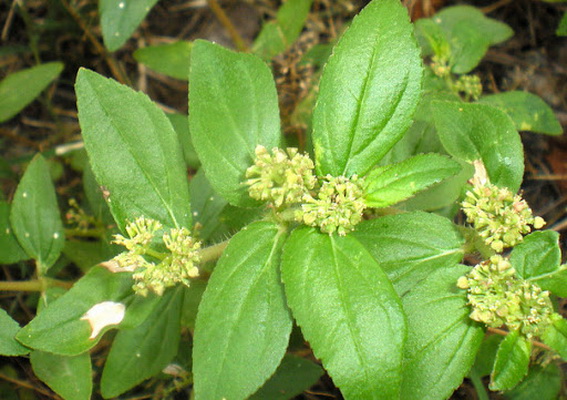
Final Thoughts
Euphorbia hirta may look like an ordinary roadside weed, but for centuries it has held an important place in traditional herbal medicine. From respiratory support and digestive wellness to antioxidant protection and skin care, this fascinating plant continues to attract attention from both herbal practitioners and researchers.
Although modern science is still studying many of its potential effects, the long history surrounding Euphorbia hirta reveals how deeply connected humans have always been to the healing power of nature.
At the same time, caution and proper knowledge are essential. Herbal plants can contain powerful compounds, and responsible use is always important.
Sometimes the most overlooked plants growing quietly under our feet may hold stories, traditions, and natural properties far more remarkable than we ever imagined.