
Most People Don’t Know Why Towels Are Designed With These Lines
Why Do Bath Towels Have Lines? The Answer Might Surprise You
Facts 25/05/2026 23:10
Rice is a staple food for billions of people around the world. It’s affordable, versatile, and easy to prepare in large batches. Because of this, leftover rice is incredibly common in many households. But while it may seem harmless to store and reheat rice for later meals, nutrition experts warn that improper handling can turn this everyday food into a potential health risk.
So, is leftover rice actually dangerous? The answer isn’t as simple as yes or no—it depends on how it’s stored, handled, and reheated.

The main concern with leftover rice isn’t the rice itself—it’s the bacteria that can grow on it. Uncooked rice often contains spores of a bacterium called Bacillus cereus, which can survive the cooking process.
When cooked rice is left at room temperature for too long, these spores can multiply rapidly and produce toxins. These toxins are not always destroyed by reheating, meaning that even properly reheated rice can still pose a risk if it wasn’t stored correctly in the first place.
This is why food safety experts often emphasize that rice should never be left out for extended periods.
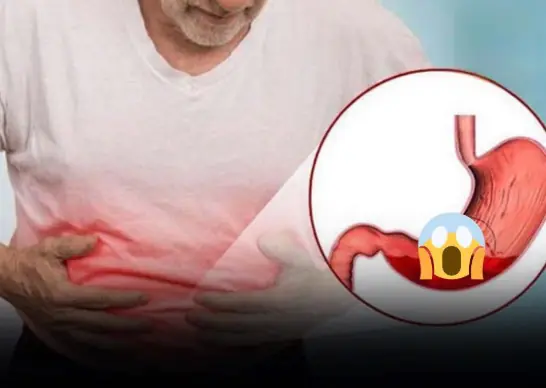
Consuming contaminated rice can lead to a type of food poisoning. Symptoms usually appear quickly—often within a few hours—and may include:
In most cases, symptoms are mild and resolve within 24 hours. However, for children, elderly individuals, or those with weakened immune systems, the effects can be more severe.

The good news? Leftover rice can absolutely be safe to eat—if handled properly. Experts recommend the following:
Cooling rice quickly is especially important. Spreading it out on a tray before refrigerating can help reduce its temperature faster and limit bacterial growth.
When it comes to reheating, temperature matters. Rice should be reheated until it is steaming hot all the way through. This helps kill most bacteria, although it may not eliminate toxins that were already formed.
Some safe reheating methods include:
If the rice smells off, has an unusual texture, or has been stored too long, it’s best to throw it away.
Nutrition and food safety experts agree on one key point: leftover rice is not inherently dangerous - but improper handling is.
The biggest mistake people make is leaving rice out at room temperature for too long. Even a few hours can be enough for bacteria to grow and produce harmful toxins. Reheating alone cannot always fix this.

Yes, eating leftover rice can harm your health—but only if it’s been stored or handled incorrectly. With proper storage, quick cooling, and thorough reheating, leftover rice can remain a safe and convenient part of your meals.
In the end, it’s not about avoiding leftover rice altogether—it’s about treating it with the same care you would give any perishable food.
Because sometimes, what seems like a simple leftover… can come with risks you didn’t expect.
Why Do Bath Towels Have Lines? The Answer Might Surprise You

A colonoscopy may reveal more than you expect…


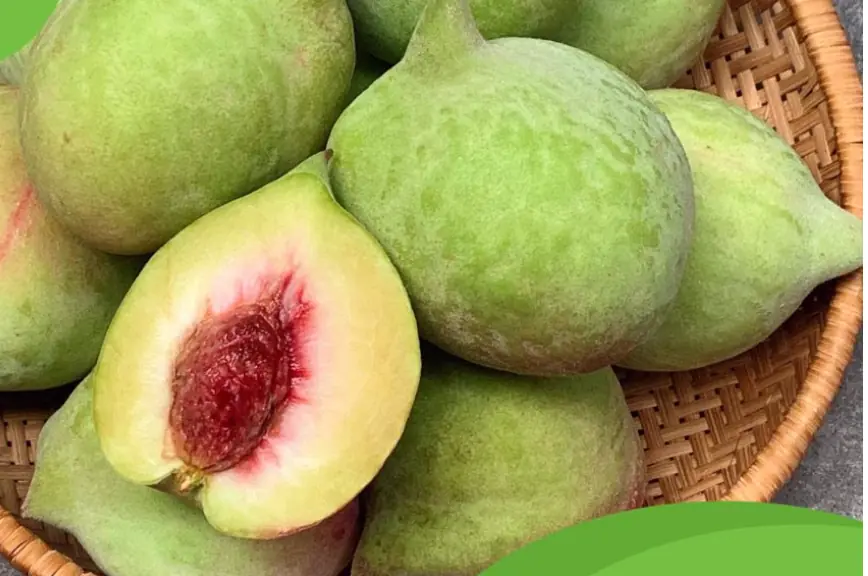
What Does the White Substance on a Peach Pit Actually Mean?
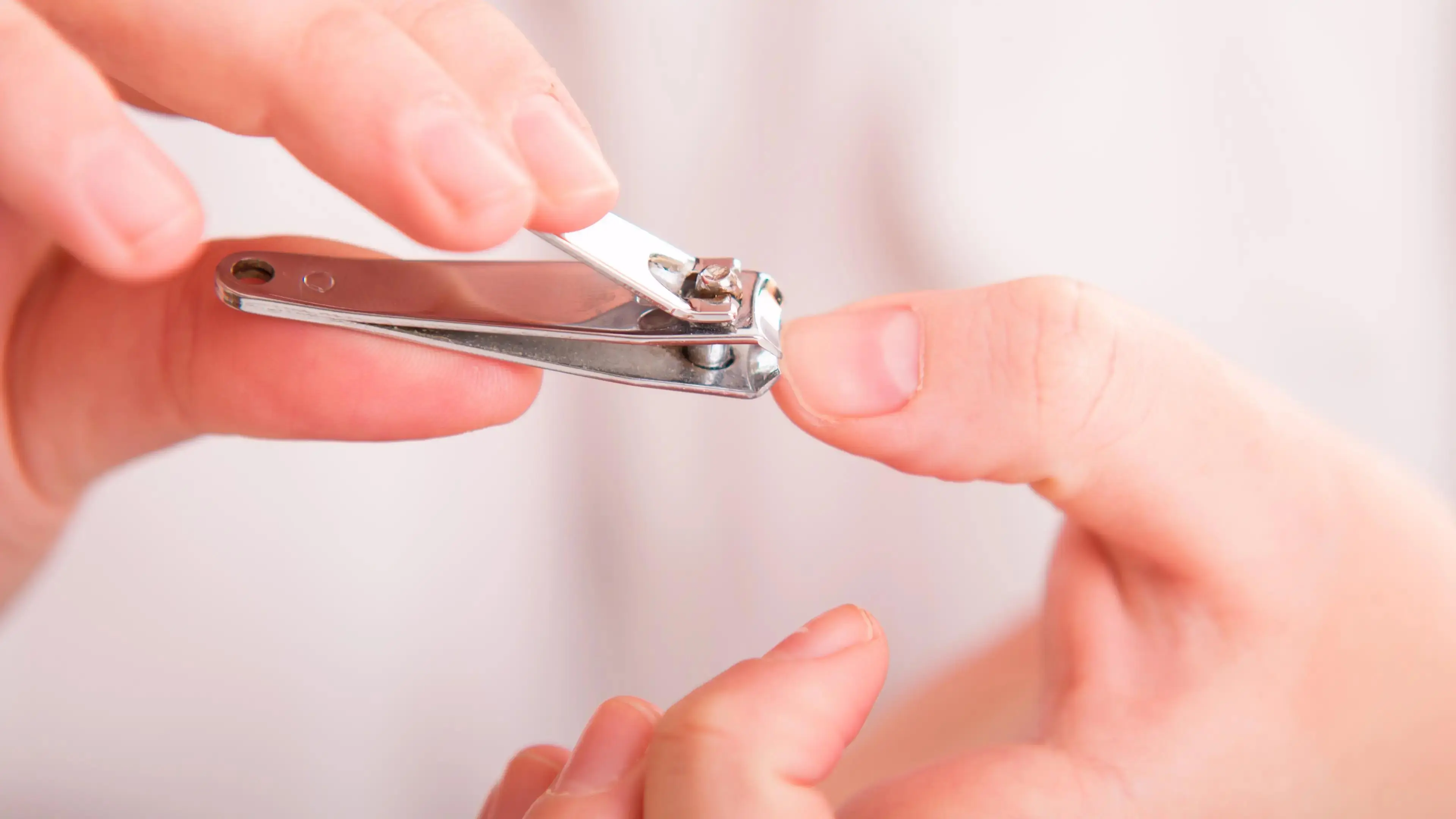
The Hidden Purpose Behind the Small Hole on Nail Clippers

The real reason dogs sniff humans in awkward places may surprise you…
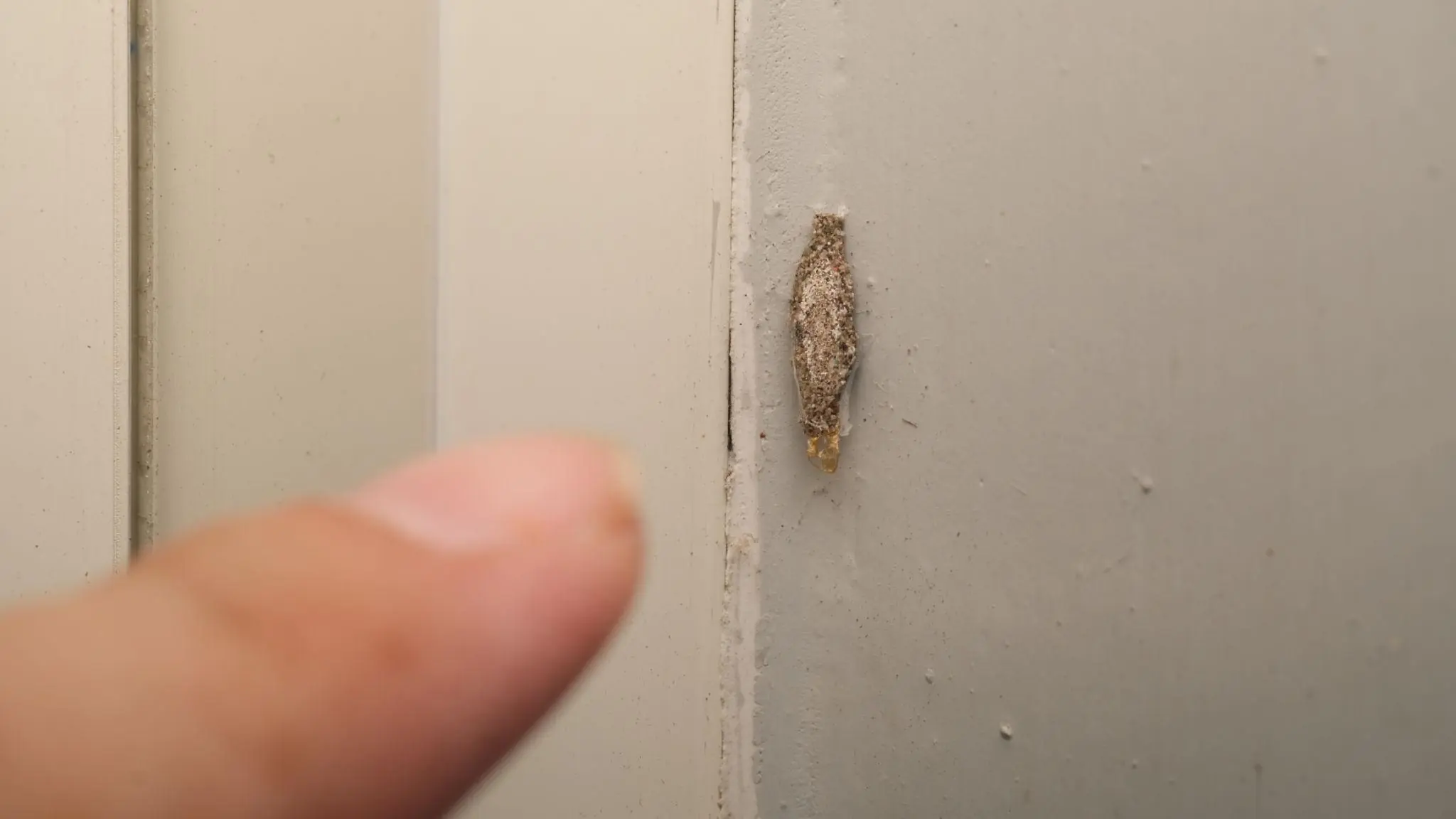
What Is This Strange Cocoon-Like Insect on Your Wall?

Manufacturers say the most energy-saving AC setting may NOT be the Eco button 😳
The Hidden Evolutionary Story Behind Your Tendons

What It Could Mean When Your Partner Avoids Kissing During Close Moments?
4 popular breakfast foods that may quickly damage your kidneys
If you see a coin stuck in your car door handle, don’t ignore it…
If You Have a Plantar Callus, It’s Not a Typical Corn — Doctors Explain What It Means

The Hidden Health Benefits of Sleeping on Your Left Side Every Night
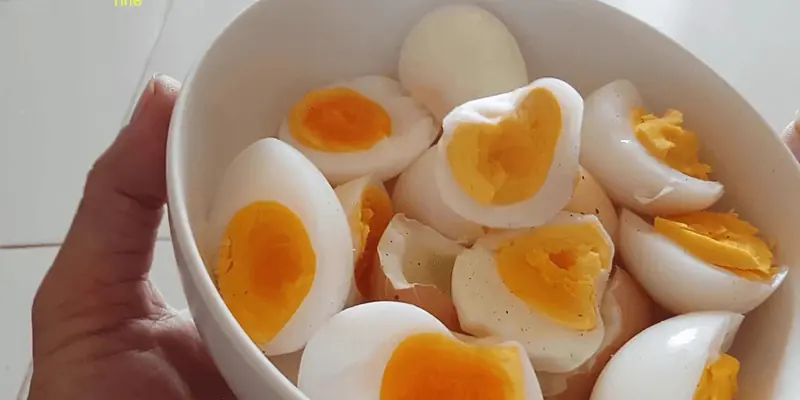
The Truth About Eating Eggs Daily May Surprise You
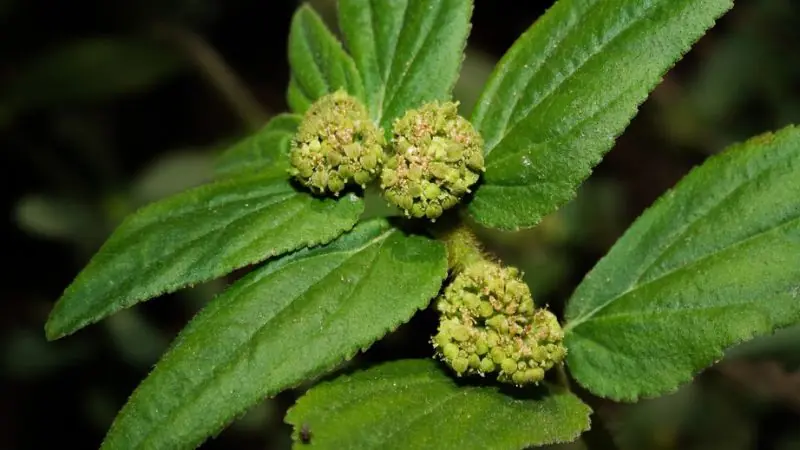
Euphorbia Hirta Benefits Explained: Why This Traditional Herbal Plant Is So Popular
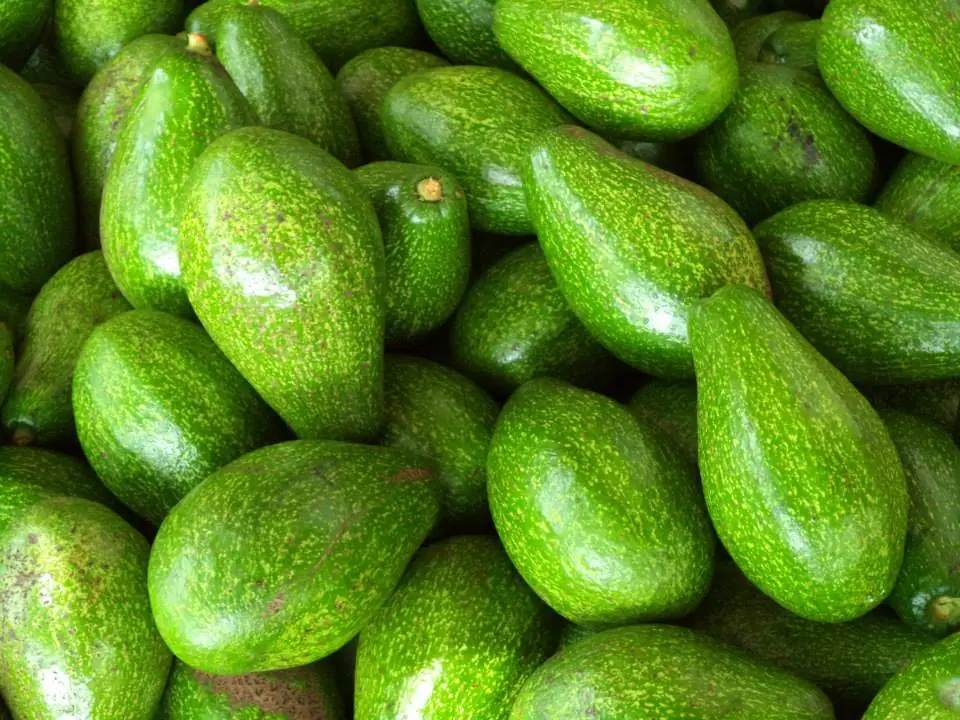
What Happens If You Eat Too Many Avocados? 7 Potential Risks
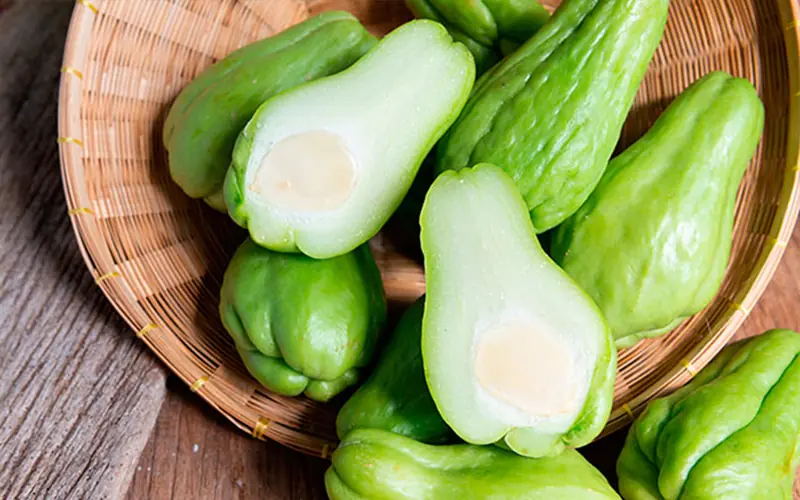
Chayote Juice: 17 Health Benefits Every Man and Woman Over 30 Should Know
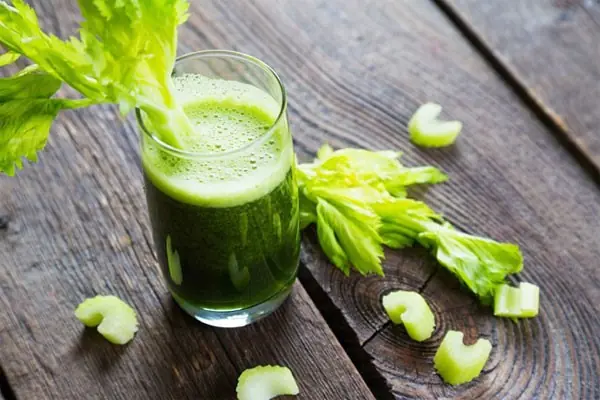
The Surprising Effects of Drinking Celery Juice Every Day
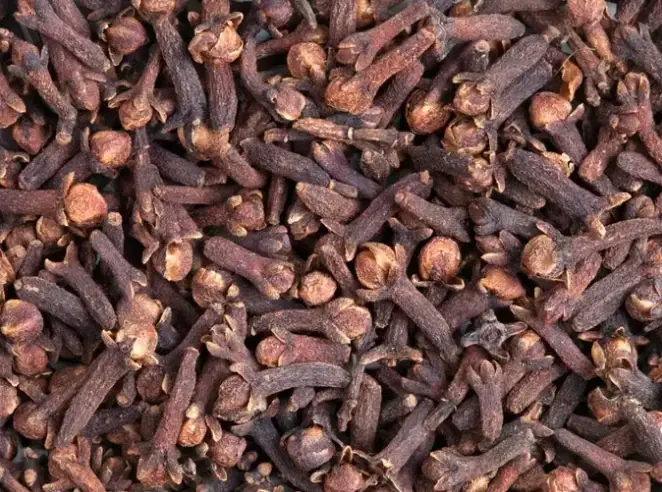
Eat 2 Cloves Daily for 7 Days and Here’s What May Happen

Tired of Waking Up With Painful Leg Cramps? Here’s What May Help

Drooling in Your Sleep? Here Are the Surprising Possible Causes
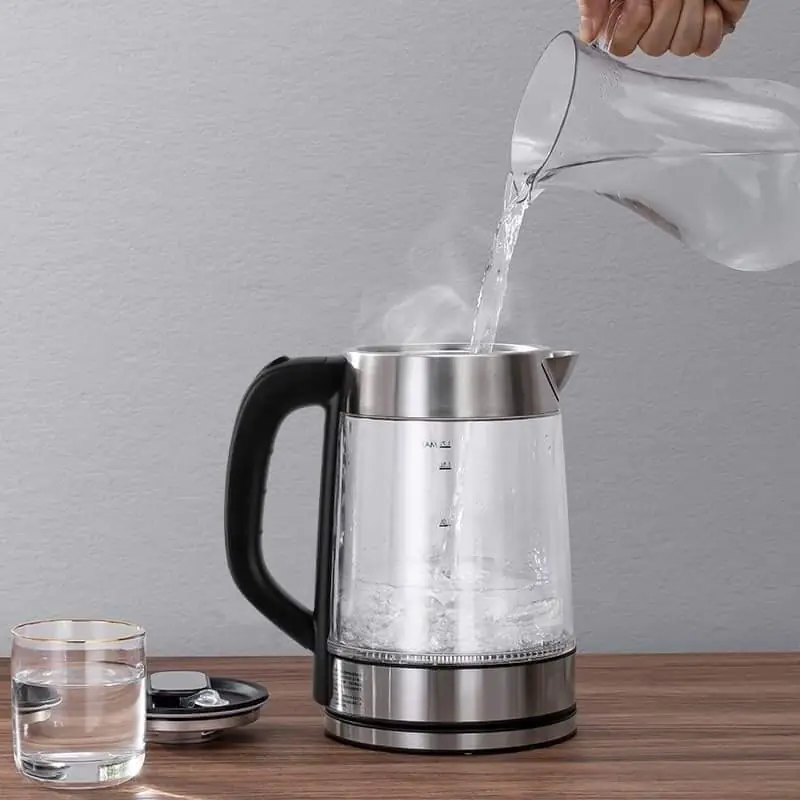
You Could Be Making These 3 Hidden Mistakes When Boiling Water 😨
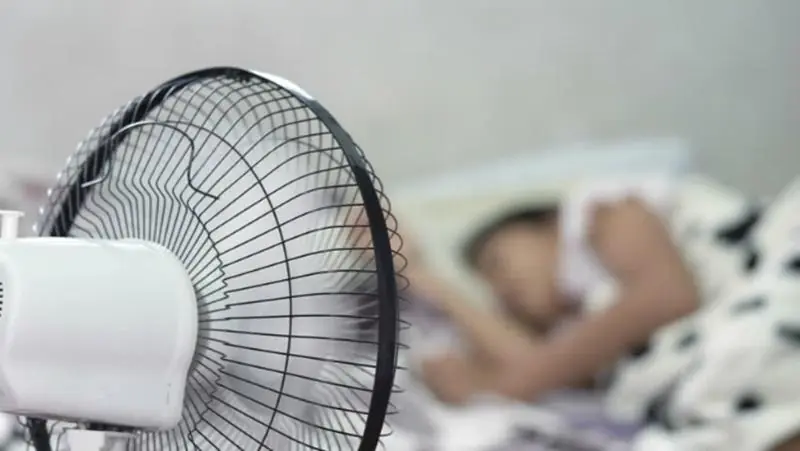
Experts reveal what sleeping with a fan all night may actually do
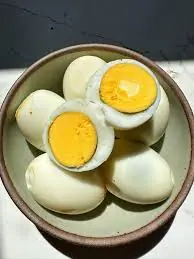
Start Your Day With Boiled Eggs and Your Body May Change in These 5 Ways
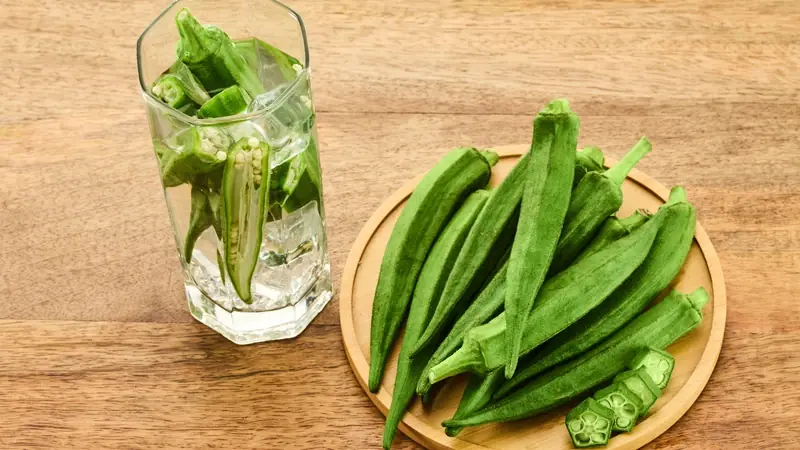
Soaked Okra Water: A Simple Natural Drink That May Support Overall Wellness

Doctors Reveal 10 Early Dementia Symptoms Many People Overlook 🚨
A common household ingredient may help floors stay cleaner for longer.

Okra Can Be Healthy, But These 7 People Should Think Twice Before Eating It

18 Amazing Reasons Aloe Vera Is One of Nature’s Most Powerful Plants

7 Hidden Benefits of Salt Water That May Shock You

Discover the Amazing Benefits of Drinking Warm Lemon Water Every Day

12 Little-Known Secrets Behind the Power of Coconut Water