In a world where thick mattresses and large bed frames dominate modern bedrooms, Japan offers a different perspective—one rooted in simplicity, flexibility, and tradition. Floor sleeping, often associated with futons laid directly on tatami mats, continues to be widely practiced across the country.
But this is not just about tradition. Floor sleeping in Japan represents a thoughtful balance between cultural heritage and practical living, shaped by centuries of lifestyle, architecture, and philosophy.
🏯 A Tradition Deeply Rooted in History
Floor sleeping in Japan dates back hundreds of years, long before Western-style beds were introduced. Traditional Japanese homes were designed with multipurpose rooms, where people would eat, relax, and sleep in the same space.
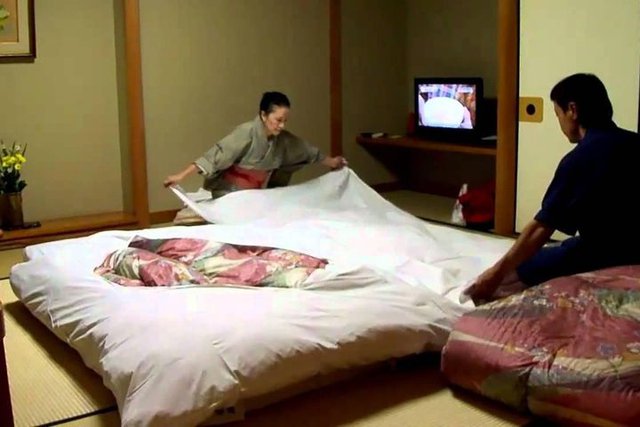
Instead of fixed furniture, people used futons—thin, foldable bedding that could be:
- Laid out at night
- Folded and stored during the day
This system allowed rooms to remain open and adaptable.
🛏️ The Futon System: Simple but Functional
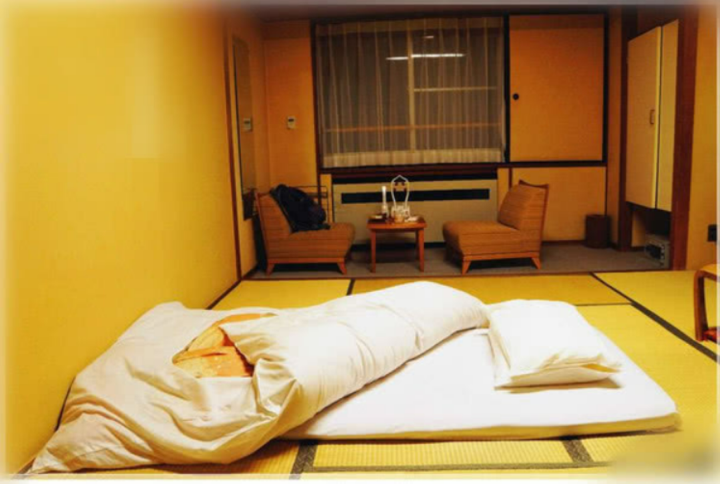
At the heart of floor sleeping is the Japanese futon, typically consisting of:
- A thin mattress
- A duvet or blanket
- A supportive pillow
Placed on tatami mats (woven straw flooring), this setup provides a firm yet comfortable sleeping surface.
Unlike Western beds, futons are:
- Lightweight
- Easy to store
- Flexible for small living spaces
🏠 Maximizing Space in Modern Living
One of the biggest reasons floor sleeping remains popular in Japan today is space efficiency.
Urban living in cities like Tokyo often means:
- Smaller apartments
- Limited storage space
By using futons instead of permanent beds:
- Rooms can serve multiple purposes
- Space is used more efficiently
- Living areas feel less crowded
👉 A bedroom at night can become a living room during the day.
🌿 A Minimalist Lifestyle
Floor sleeping aligns closely with Japan’s minimalist philosophy—keeping only what is necessary and valuing simplicity.
This approach emphasizes:
- Clean, uncluttered spaces
- Functional design
- Mindful living
For many, sleeping on the floor is not just practical—it’s a reflection of a broader lifestyle that prioritizes balance and intentionality.
🧠 Potential Physical Benefits
Some people believe that sleeping on a firmer surface may offer certain physical benefits.
These may include:
- Better posture support
- Reduced strain on the back
- More natural spinal alignment
However, comfort varies from person to person, and what works well for one individual may not suit another.
🌬️ Hygiene and Cleanliness
Another often-overlooked advantage is hygiene.
Because futons are:
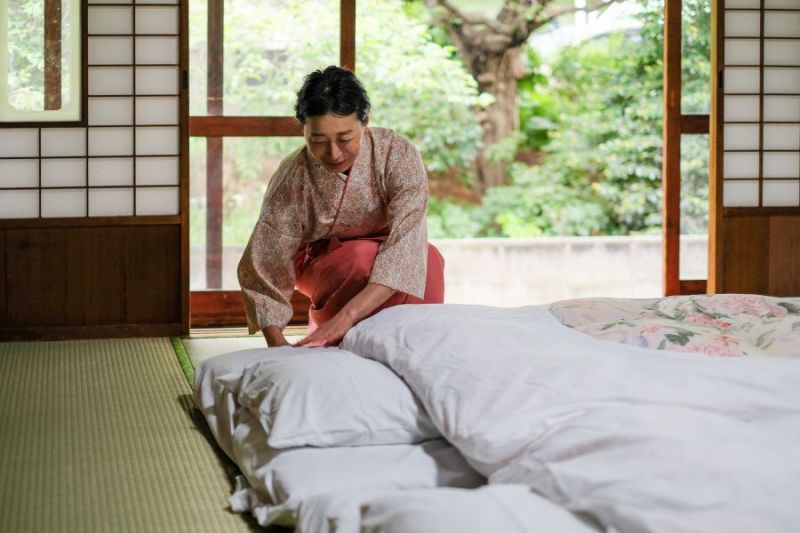
- Folded daily
- Aired out regularly
…it becomes easier to:
- Prevent moisture buildup
- Maintain cleanliness
- Reduce dust accumulation
This daily routine contributes to a healthier sleeping environment.
⚖️ Tradition Meets Modern Adaptation
While Western-style beds have become more common in Japan, many households still choose floor sleeping—either full-time or occasionally.
Today, you’ll find:
- Modern futons with improved comfort
- Hybrid homes with both beds and futons
- Young people rediscovering traditional practices
This shows how tradition continues to evolve rather than disappear.
💡 Is Floor Sleeping Right for Everyone?
Floor sleeping offers many advantages, but it may not be suitable for everyone.
Some considerations:
- It may feel too firm for those used to soft mattresses
- People with certain joint or mobility issues may find it challenging
- Transitioning may take time
🧠 Final Thoughts
Floor sleeping in Japan is more than just a way to rest—it’s a reflection of a culture that values simplicity, adaptability, and harmony between tradition and modern life.
In a fast-paced world filled with excess, this practice offers a gentle reminder:
👉 Sometimes, less truly is more.
Whether for cultural appreciation, space-saving, or lifestyle change, floor sleeping continues to stand as a unique and meaningful approach to everyday living.