Steamed Orange with Salt: Relieves Cough, Reduces Phlegm, and Aids Digestion
Facts 29/04/2026 20:14
12 Habits Many People Develop in Old Age—But No One Tells You About
Aging is a natural part of life. With time comes wisdom, experience, and perspective—but also subtle behavioral changes that often go unnoticed by the person themselves.
Interestingly, many of these habits are clearly seen by others, yet rarely addressed out of respect or fear of hurting feelings. However, being aware of them can help improve relationships and overall quality of life.
Here are 12 common habits that people may develop in old age—and how they affect those around them.
Many older adults tend to frequently complain about health, daily inconveniences, or life in general.
While loved ones may initially sympathize, constant negativity can become emotionally draining and push people away over time.
Adapting to new technology, ideas, or social changes can become more difficult with age.
Statements like “things were better before” can shut down conversations and create distance between generations.
Some elderly individuals may interrupt conversations to share their opinions, often believing their experience makes them right.
This can make others feel unheard or disrespected.
Offering advice without being asked—even with good intentions—can come across as intrusive.
People tend to appreciate advice more when it is requested and appropriately timed.
Constantly reminiscing about “the good old days” can prevent meaningful engagement with the present.
While memories are valuable, over-focusing on the past may make conversations repetitive and tiring for others.
Some people become more pessimistic with age, expecting the worst in situations.
This mindset can affect not only their own well-being but also the mood of those around them.
7. Not truly listening
Older adults may sometimes appear distracted or disengaged during conversations.
This may be due to fatigue, hearing difficulties, or slower processing—but it can still affect communication.
It’s common for older individuals to judge younger people as lazy or irresponsible.
However, differences in behavior often reflect changing times rather than declining values.
Some people stop prioritizing hygiene or personal care as they age.
This can impact not only their health but also how others perceive and interact with them.
Certain behaviors—such as being rude or dismissive—may be justified with “I’m old.”
However, age should never be an excuse for disrespectful behavior.
Telling the same stories repeatedly is common, sometimes due to memory lapses.
While understandable, it can become frustrating for listeners over time.
Some older adults believe learning is no longer necessary.
Phrases like “I’m too old for that” can limit personal growth and disconnect them from the modern world.
Aging doesn’t have to mean becoming rigid or disconnected.
By recognizing these habits, older adults can maintain stronger relationships, stay mentally active, and enjoy a more fulfilling life. Even small mindset shifts can make a big difference—for both themselves and the people around them.


Many people don’t realize this device uses more power than air conditioning
According to Nostradamus, those who own a cat may…
Why cats run away from home and never come back?

This small detail could turn $2 into thousands
You’ve seen this hand gesture a thousand times—but its meaning will surprise you
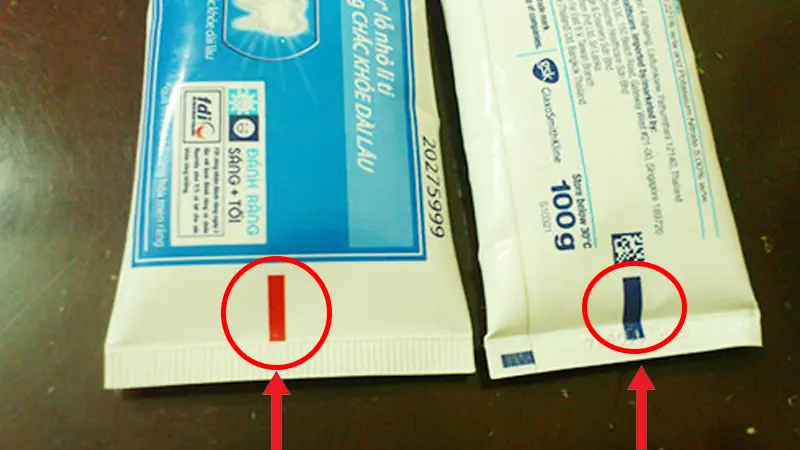
The hidden meaning behind the colored stripe on your toothpaste tube



8 hidden habits that can lead to bad odor in older women, according to doctors
Most People Miss This Sign — A Toad in Your House Isn’t Random
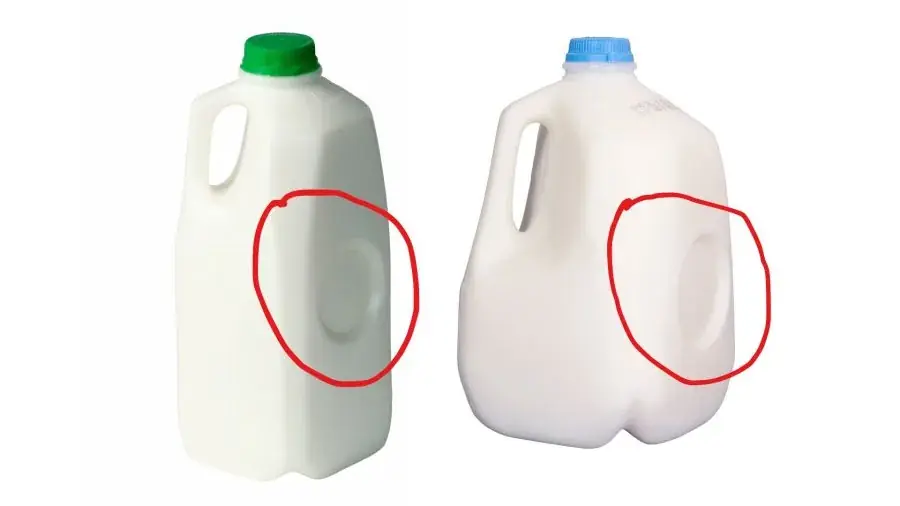
The Hidden Feature on Milk Bottles That Almost Nobody Understands

Small but Powerful—This Spice Is Highly Prized

9 kinds of touch women quietly desire

This Simple Night Habit Is Going Viral
Does Breast Size Reveal Your Hormones? The Truth May Surprise You

A man scratching a woman’s palm could signal something more than it seems

Why infidelity happens in marriage: looking beyond simple blame?

A healthy diet can backfire if balance and knowledge are ignored.




Subtle body changes may be early signs you shouldn’t ignore.
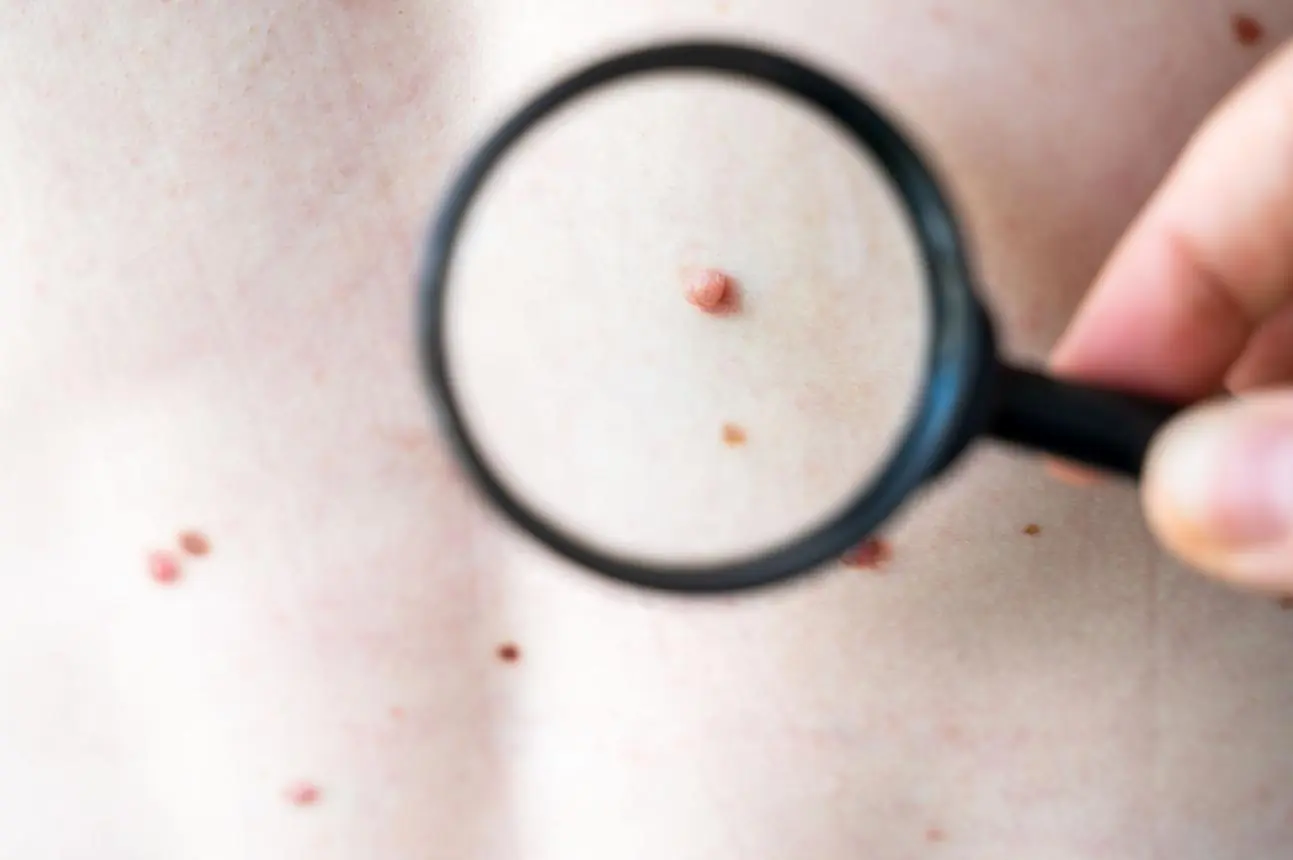
Subtle symptoms may signal serious illness—don’t ignore them early.