De.ath is one of the most profound and mysterious experiences of human life. Across cultures and generations, people have shared stories about the final moments of loved ones - some peaceful, some emotional, and others deeply puzzling. One question that often arises is this: why do some people cry before they die? And perhaps even more intriguingly - what are they experiencing in those final moments?
While the idea that people “see something” before de.ath can sound mysterious or even supernatural, science and medicine offer more grounded explanations that are no less fascinating.

🧠 The Brain in Its Final Moments
As the body begins to shut down, the brain undergoes significant changes. Reduced oxygen levels, fluctuating blood pressure, and chemical imbalances can all affect how the brain functions.
These changes may lead to:
- Altered perception
- Emotional sensitivity
- Confusion or disorientation
- Vivid internal experiences
In some cases, the brain may produce dream-like or hallucinatory states, which can feel very real to the person experiencing them.
😢 Why Do Some People Cry?
Crying before death is not universal, but when it happens, it can have several explanations:
1. Emotional release
As people approach the end of life, they may reflect on memories, relationships, regrets, or love. This emotional intensity can naturally lead to tears.
2. Fear or uncertainty
Facing the unknown can trigger anxiety or distress, especially if the person is conscious and aware of their condition.
3. Physical discomfort
Pain, difficulty breathing, or general discomfort may cause distress that is expressed through crying.
4. Neurological changes
As the brain becomes less stable, emotional regulation may weaken, leading to unexpected or intensified reactions.
👁️ What Do People “See” Before Death?
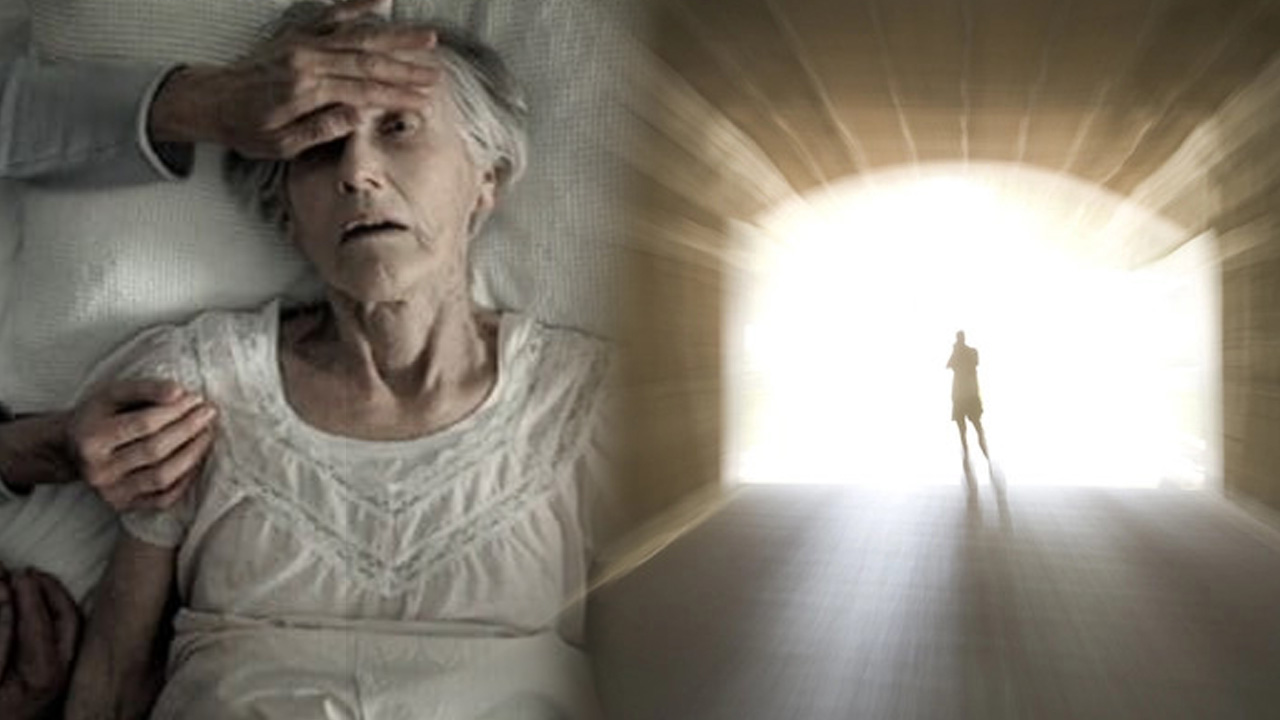
Many people report that dying individuals sometimes speak about seeing loved ones, bright lights, or unfamiliar scenes. These experiences are often described as peaceful, comforting, or surreal.
From a scientific perspective, these visions may be linked to:
- Hypoxia (low oxygen levels) affecting brain perception
- Chemical releases in the brain during stress
- Memory activation, where familiar faces or past experiences resurface
- Dream-like states similar to vivid hallucinations
These experiences are not fully understood, but they are not uncommon in end-of-life care settings.
💞 The Role of Emotions and Connection
In many cases, the emotional state of a person near death is influenced by their relationships. Some individuals may cry when seeing loved ones, expressing gratitude, or saying goodbye.
Others may become quiet and peaceful instead. There is no single “correct” way to experience the final moments—each person’s response is deeply personal.
⚠️ Separating Fact from Myth
It’s easy to interpret these moments as something supernatural or “unbelievable,” especially when they seem mysterious. However, most medical experts agree that:
- These experiences are natural responses of the brain and body
- They are often influenced by biology, emotion, and environment
- They do not necessarily indicate anything paranormal
Understanding this can help families approach these moments with more clarity and less fear.
🌿 A More Human Perspective
Rather than focusing only on what someone might “see,” it may be more meaningful to consider what they feel—emotionally and physically. The end of life is often a time of reflection, vulnerability, and deep human connection.
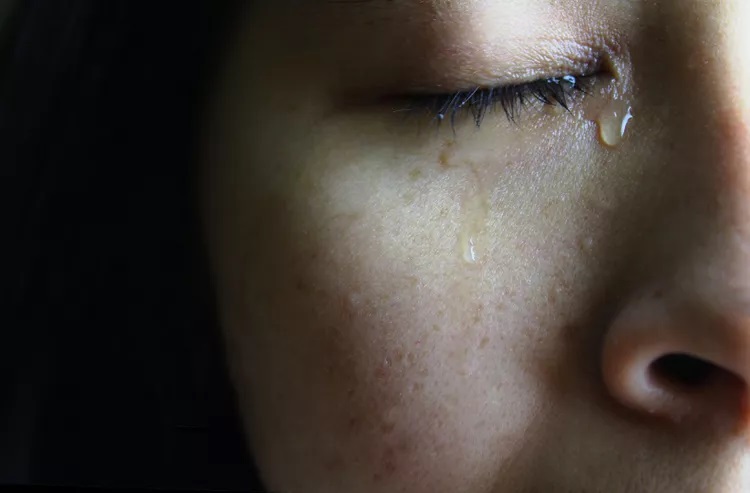
Crying, in this context, is not just a reaction - it can be a final expression of everything a person has experienced throughout their life.
✨ Final Thoughts
The idea that people cry before dying may seem mysterious, but the reality is both complex and deeply human. From neurological changes to emotional release, these moments reflect the intricate connection between the body, mind, and experience.
While science continues to explore what happens at the edge of life, one thing remains clear: the final moments are not defined by mystery alone - but by meaning, memory, and emotion.
And sometimes, tears are simply the most honest way the body knows how to express it.