From time to time, home cooking tips circulate suggesting that adding a few drops of lemon juice to frying oil can improve the cooking process. Some claim it reduces oil splatter, enhances flavor, or prevents the oil from burning too quickly. But what actually happens when lemon juice - which is water-based and acidic is added to hot oil?
To understand the results, it helps to look at the science behind oil, water, and heat.

1. Immediate Reaction: Oil and Water Do Not Mix
Lemon juice is primarily composed of water (about 90%) along with citric acid and small amounts of natural sugars and vitamins. Cooking oil, on the other hand, is entirely fat-based.
Oil and water do not mix.
When lemon juice is added to hot oil, the water component reacts instantly. Because oil heats to temperatures well above the boiling point of water (100°C / 212°F), the water in lemon juice rapidly turns into steam.
This can cause:
-
Sudden bubbling
-
Popping sounds
-
Increased oil splatter
In fact, adding water-based liquids to hot oil can increase splashing rather than reduce it.
2. Does Lemon Juice Reduce Oil Splatter?
Some cooking advice suggests lemon juice may reduce splattering. Scientifically, this claim is questionable.
Splattering occurs when moisture from food comes into contact with hot oil. The water instantly vaporizes, creating bursts of steam that push oil outward.
Because lemon juice contains water, adding it to oil before frying may actually increase splatter if the oil is already hot.
If the oil is not yet heated, the lemon juice will simply separate and sink or evaporate before frying begins.
There is no strong scientific evidence that lemon juice prevents oil splashing.
3. Does It Improve Flavor?
If lemon juice is added to oil before frying, the flavor impact is minimal.
Why?
-
The high heat may break down some aromatic compounds.
-
The acidic component does not blend with oil.
-
Most of the water evaporates quickly.
However, if lemon juice is applied directly to food before frying (as part of a marinade), it can:
-
Enhance flavor
-
Tenderize proteins
-
Add brightness
The key difference is whether the lemon juice is applied to the oil itself or to the food.
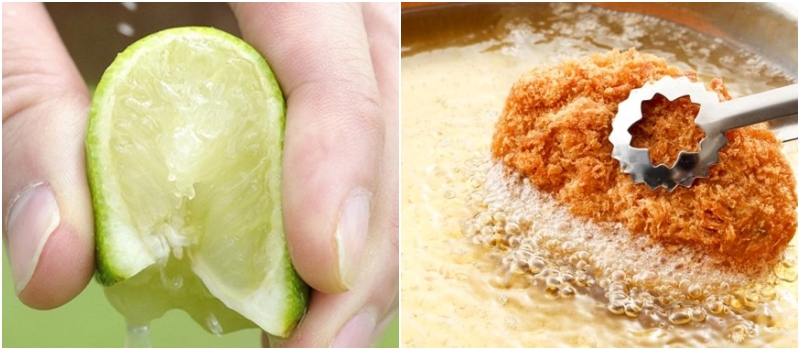
4. Can Lemon Juice Prevent Oil from Burning?
Some believe acidity might stabilize oil and prevent it from smoking.
In reality:
-
Oil breakdown depends primarily on temperature and oil type.
-
The smoke point of oil is not significantly changed by a few drops of lemon juice.
Oil degradation is caused by prolonged exposure to high heat, oxidation, and repeated reuse — not by lack of acidity.
Choosing an oil with a high smoke point (such as avocado oil or refined sunflower oil) is more effective than adding lemon juice.
5. Safety Considerations
Because lemon juice contains water, adding it to already hot oil can cause:
-
Sudden splattering
-
Minor burns
-
Increased fire risk in extreme cases
For safety reasons, it is generally not recommended to add water-based liquids directly into hot oil.

6. When Lemon Juice Is Helpful in Frying
Although adding lemon juice directly into oil is not particularly beneficial, lemon juice can be useful in other ways:
-
As a marinade ingredient before frying
-
As a finishing squeeze after frying
-
To reduce strong odors when cleaning pans afterward
For example, a light squeeze of lemon over fried fish enhances flavor without affecting the frying process itself.
7. Why the Myth Exists
Cooking myths often arise from tradition or anecdotal experiences. It is possible that:
-
Someone added lemon juice before the oil was hot, preventing splatter by coincidence.
-
Lemon juice was confused with salt (which can reduce splatter when sprinkled lightly in oil before heating).
Salt can help absorb small amounts of surface moisture in the pan - but lemon juice behaves differently due to its water content.
Final Thoughts
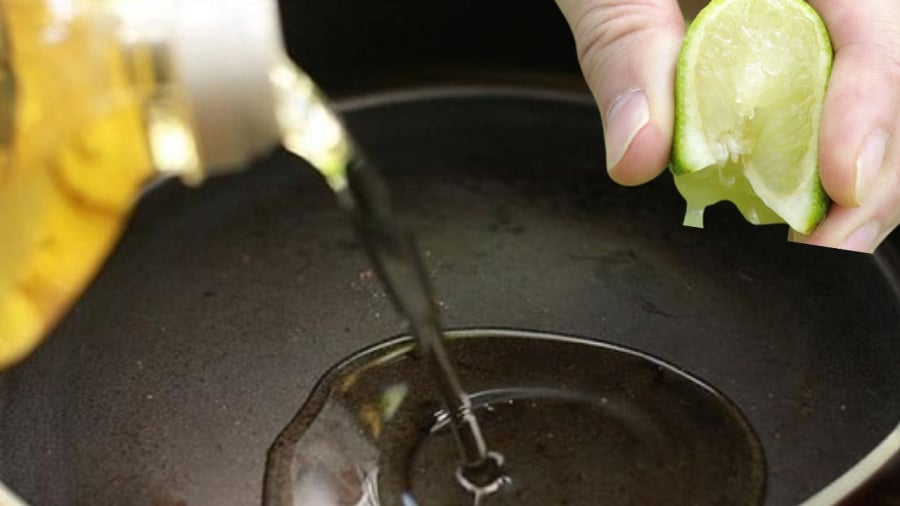
Adding lemon juice directly to frying oil does not significantly improve the frying process and may increase splattering if the oil is already hot. The water content reacts rapidly with high temperatures, leading to steam and popping.
While lemon juice is excellent for flavor enhancement, marinades, and finishing touches, it does not meaningfully alter oil stability or reduce splatter when added directly to cooking oil.
For safer and more effective frying:
-
Dry food thoroughly before frying
-
Use oils with appropriate smoke points
-
Avoid adding water-based liquids to hot oil
Understanding the science behind simple kitchen practices can help prevent accidents and improve cooking results.