Frying fish may seem simple: heat the oil, place the fish in the pan, and wait until golden brown. Yet many home cooks face the same frustrating problems — the fish sticks to the pan, the skin tears, or the flesh falls apart when flipped. While oil temperature is important, there’s another small but powerful step that can dramatically improve your results.
Instead of placing fish directly into hot oil, try adding a simple liquid mixture to the pan first. This small adjustment can help create a protective barrier, reduce sticking, and produce crisp, evenly browned fish that stays intact.
Why Fish Falls Apart During Frying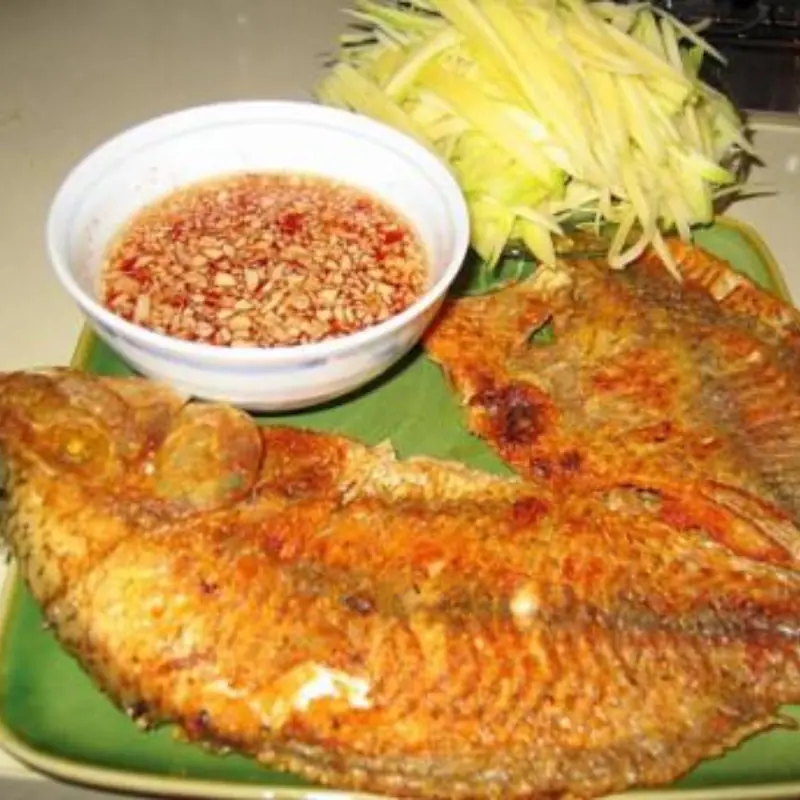
Fish is naturally delicate. Compared to red meat or poultry, its muscle fibers are shorter and softer. When exposed to high heat, the proteins tighten quickly, which can cause the flesh to separate — especially if the fish sticks to the surface of the pan.
Several factors contribute to this common issue:
-
Excess moisture on the fish
-
Oil that is either too hot or not hot enough
-
A pan surface that isn’t properly prepared
-
Flipping the fish too early
While patting the fish dry and preheating the oil are essential steps, adding a thin layer of liquid — such as diluted salt water or a light vinegar-water mixture — before frying can further protect the fish and improve texture.
The Simple Liquid Trick
One popular kitchen tip is to mix a small amount of water with a pinch of salt or a few drops of vinegar, then lightly coat the pan before adding oil. Another method is to brush the fish itself with a very thin layer of salted water and let it rest briefly before frying.
Here’s why this works:
-
Salt tightens surface proteins, helping the outer layer firm up slightly before it hits the heat.
-
A small amount of moisture evaporates quickly, creating a gentle steam effect that helps prevent sticking in the first few seconds of contact.
-
Vinegar can reduce strong odors and slightly firm the flesh.
After adding the liquid mixture, allow it to heat and evaporate before pouring in your cooking oil. Then, once the oil reaches the proper temperature, gently place the fish in the pan.
Step-by-Step Guide to Crispy Fried Fish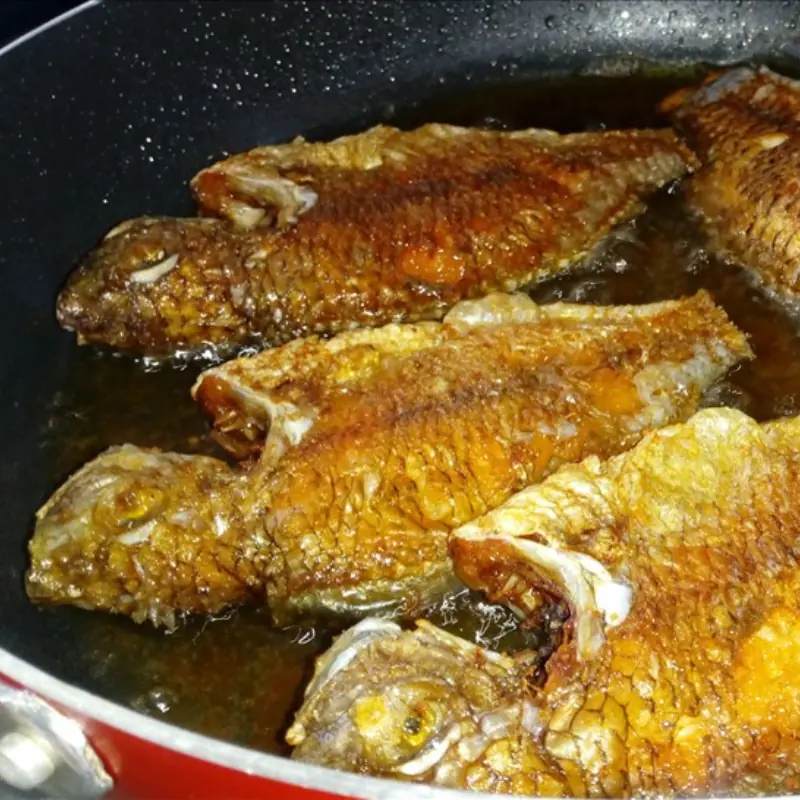
For best results, follow these steps:
-
Pat the fish completely dry with paper towels. Moisture is the enemy of crispiness.
-
Score the skin lightly if frying whole fish. This helps prevent curling.
-
Prepare your liquid mixture (water with salt or a few drops of vinegar).
-
Lightly coat the pan and heat until the liquid evaporates.
-
Add oil and heat properly — medium to medium-high is usually ideal.
-
Place the fish gently in the pan, skin side down.
-
Do not move the fish too soon. Let a crust form before flipping.
Patience is key. When the fish is ready to turn, it will naturally release from the pan with minimal resistance.
Additional Tips for Perfect Texture
Beyond the liquid trick, a few other techniques can elevate your fried fish:
-
Use a heavy-bottomed pan to distribute heat evenly.
-
Avoid overcrowding the pan, which lowers oil temperature.
-
Consider lightly dusting the fish with flour or cornstarch for extra crispiness.
-
Flip only once to maintain structure.
Choosing the right oil also matters. Neutral oils with high smoke points — such as vegetable oil, canola oil, or peanut oil — help achieve a golden crust without burning.
The Science Behind Crispiness
Crispy fish forms when moisture on the surface evaporates quickly and proteins brown through the Maillard reaction. If too much water remains, the fish will steam rather than fry, resulting in soft skin and pale color.
By controlling surface moisture and preparing the pan carefully, you create optimal conditions for browning. The thin liquid layer acts as a transitional step, reducing shock between raw fish and hot oil while supporting even heat transfer.
A Small Change, Big Difference
Many cooking frustrations come from skipping small preparatory steps. Frying fish is no exception. While it may feel counterintuitive to add liquid before oil, this simple technique can prevent sticking, improve texture, and help the fish hold its shape.