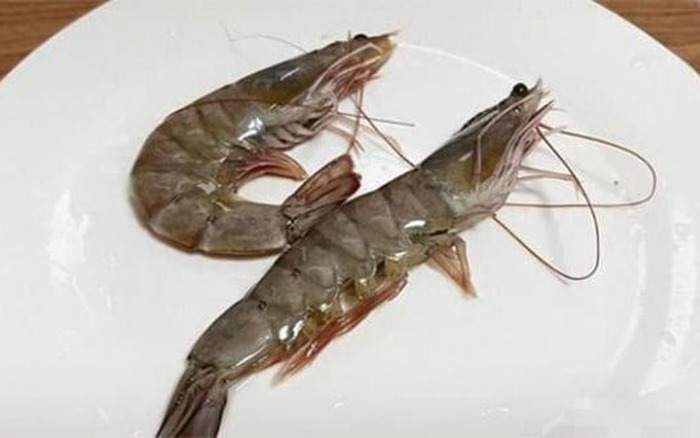
When shopping for shrimp at a market, many people notice a subtle but curious detail: some shrimp appear naturally curved, while others look unusually straight. This difference often raises questions. Does shape indicate freshness? Is one safer than the other? Does it affect taste or texture?
The answer is more nuanced than many assume. Shrimp shape can reflect natural biology, handling methods, and processing techniques. Understanding these factors helps you make a smarter choice based on quality, not myth.
Why Shrimp Naturally Curl
Shrimp are crustaceans with segmented bodies and flexible abdominal muscles. When alive, they move by contracting their abdominal muscles, which naturally curve the body inward.
After death, muscle proteins begin to stiffen through a process called rigor mortis. Because of the natural muscle structure, shrimp typically remain slightly curved when fresh and minimally handled.
A natural curve is therefore normal and expected.
Why Some Shrimp Appear Straight
Shrimp that appear very straight may have been:
-
Mechanically processed
-
Treated with additives
-
Overhandled during cleaning
-
Frozen and thawed improperly
In some cases, processors use chemical treatments (such as sodium tripolyphosphate) to retain moisture and improve appearance. This can alter muscle firmness and sometimes reduce the natural curl.
However, straight shrimp do not automatically mean poor quality. The context matters.
What Shape May Suggest About Freshness
Naturally Curved Shrimp
Often indicate:
-
Minimal processing
-
Natural muscle contraction
-
Standard freezing methods
Fresh shrimp typically maintain a moderate curl.
Extremely Straight Shrimp
May indicate:
-
Processing intervention
-
Excessive moisture retention
-
Mechanical straightening
But again, this is not a universal rule.

Signs of Freshness That Matter More Than Shape
Rather than focusing solely on curvature, evaluate shrimp using these quality indicators:
1. Smell
Fresh shrimp should smell mild and slightly briny, like the ocean.
Avoid shrimp with:
-
Sour odor
-
Ammonia-like smell
-
Strong fishy scent
2. Texture
Fresh shrimp should feel:
-
Firm
-
Slightly springy
-
Moist but not slimy
Sliminess suggests spoilage.
3. Shell Appearance
Look for:
-
Shiny, translucent shells
-
No black spots (unless they are natural tiger stripes)
-
No yellowing

4. Head Condition (if head-on)
The head should:
-
Be firmly attached
-
Not appear blackened or mushy
What Happens When Shrimp Spoil
As shrimp deteriorate:
-
Enzymes break down muscle tissue
-
Bacteria multiply
-
Texture softens
-
Odor becomes stronger
In some spoiled shrimp, the body may become overly limp or oddly straight due to muscle breakdown.
However, severe curvature can also happen in overcooked shrimp — so context is key.
Does Shape Affect Taste?
Not directly.
Taste depends more on:
-
Freshness
-
Storage conditions
-
Cooking method
-
Species
Overprocessed shrimp may retain extra water, which can dilute flavor and cause a rubbery texture when cooked.
Naturally handled shrimp tend to maintain firmer texture and cleaner taste.
Frozen vs. Fresh Considerations
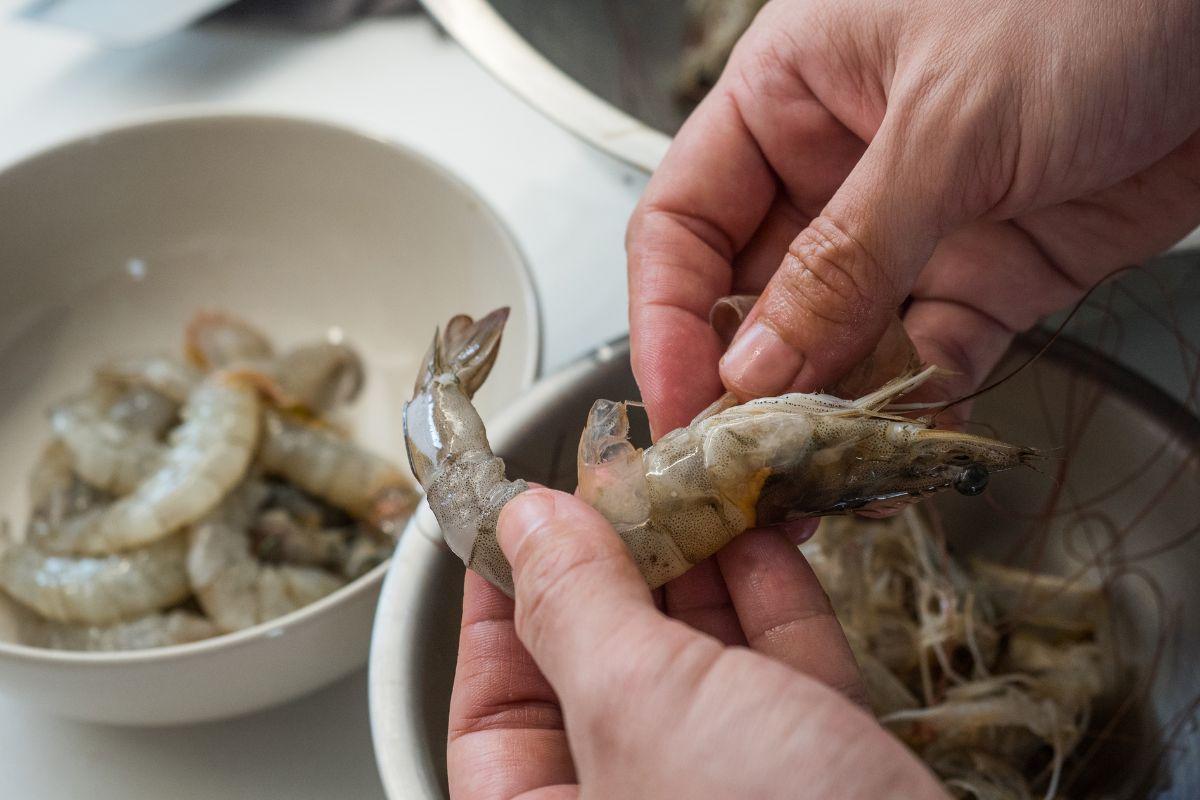
Many “fresh” shrimp at markets were previously frozen. Properly frozen shrimp can be excellent quality.
When buying frozen shrimp:
-
Avoid packages with excessive ice crystals
-
Avoid frost buildup
-
Choose individually quick frozen (IQF) options
Improper thawing can sometimes alter body shape slightly.
Common Myths
Myth 1: Straight shrimp are fake.
Not necessarily. Shape alone cannot confirm authenticity.
Myth 2: Curved shrimp are always fresher.
Often true in minimally processed seafood, but not guaranteed.
Myth 3: Shrimp shape determines safety.
Safety depends on temperature control and hygiene, not curvature.
Which Should You Choose?
If all other quality indicators are equal, moderately curved shrimp often suggest more natural handling and fewer additives.
However, prioritize:
-
Fresh smell
-
Firm texture
-
Clean appearance
-
Reputable source
The best shrimp choice is one that meets safety and freshness standards — regardless of slight variations in shape.
Final Thoughts
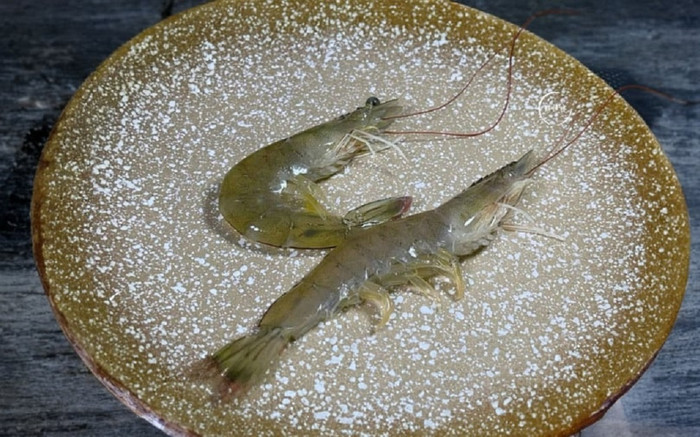
The difference between straight and curved shrimp is usually related to natural muscle structure, processing methods, and storage conditions.
While naturally curved shrimp often reflect minimal intervention, shape alone should not determine your purchase decision. Focus on smell, texture, color, and source reliability.
At the market, knowledge matters more than appearance. A careful inspection ensures better flavor, better texture, and safer meals.