Fast Eaters vs. Slow Eaters: Who Lives Longer?
It might sound surprising, but how fast you eat could have a meaningful impact on your long-term health — and possibly even your lifespan.
While no major study proves an exact number of years gained or lost, growing research suggests that eating speed is strongly linked to obesity, metabolic health, and heart disease risk — all major factors that influence life expectancy.
So, who lives longer: fast eaters or slow eaters?
Let’s break it down.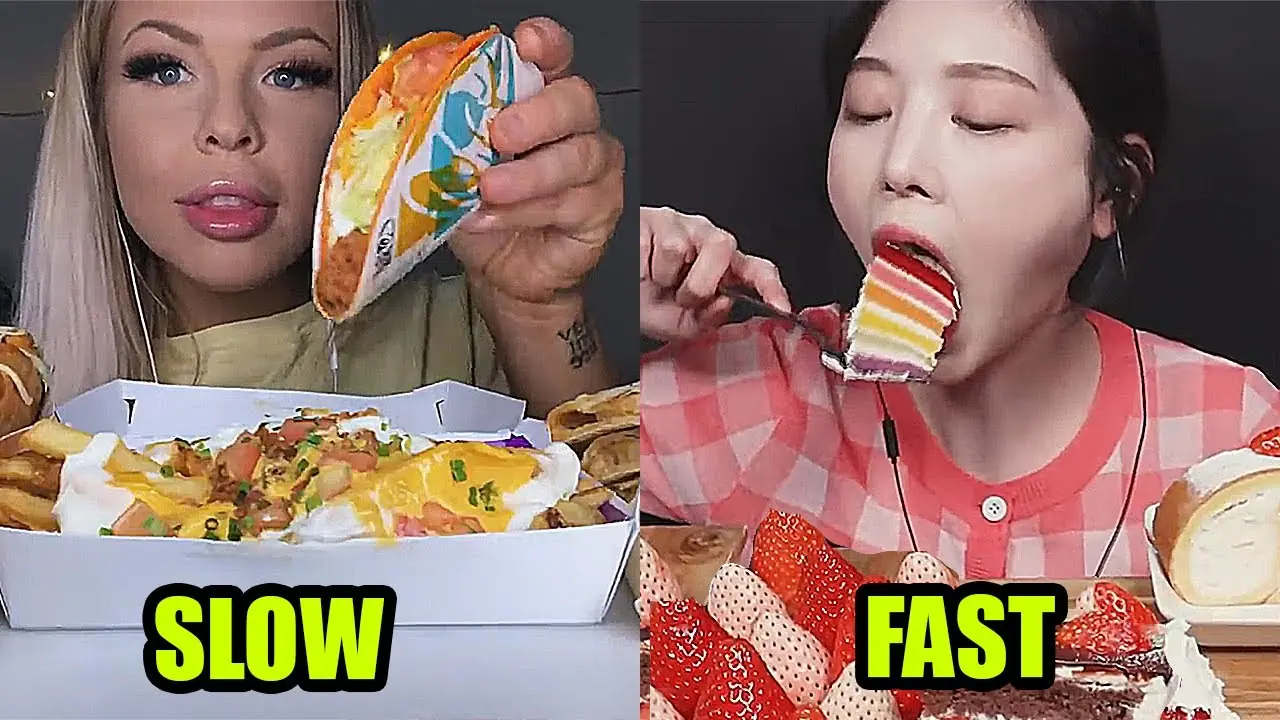
🥄 What Happens When You Eat Too Fast?
When you eat quickly, several things happen inside your body:
1️⃣ You Overeat Without Realizing It
Your brain takes about 20 minutes to receive fullness signals from your stomach. Fast eaters often consume more calories before their brain registers that they’re full.
Over time, this can lead to:
-
Weight gain
-
Increased belly fat
-
Higher risk of obesity
And obesity is a major risk factor for heart disease, stroke, and type 2 diabetes.
2️⃣ Higher Risk of Metabolic Syndrome
Research has shown that fast eating is associated with a greater risk of metabolic syndrome — a cluster of conditions including:
-
High blood pressure
-
High blood sugar
-
High triglycerides
-
Low HDL (“good”) cholesterol
-
Excess abdominal fat
Metabolic syndrome significantly increases the risk of cardiovascular disease and premature death.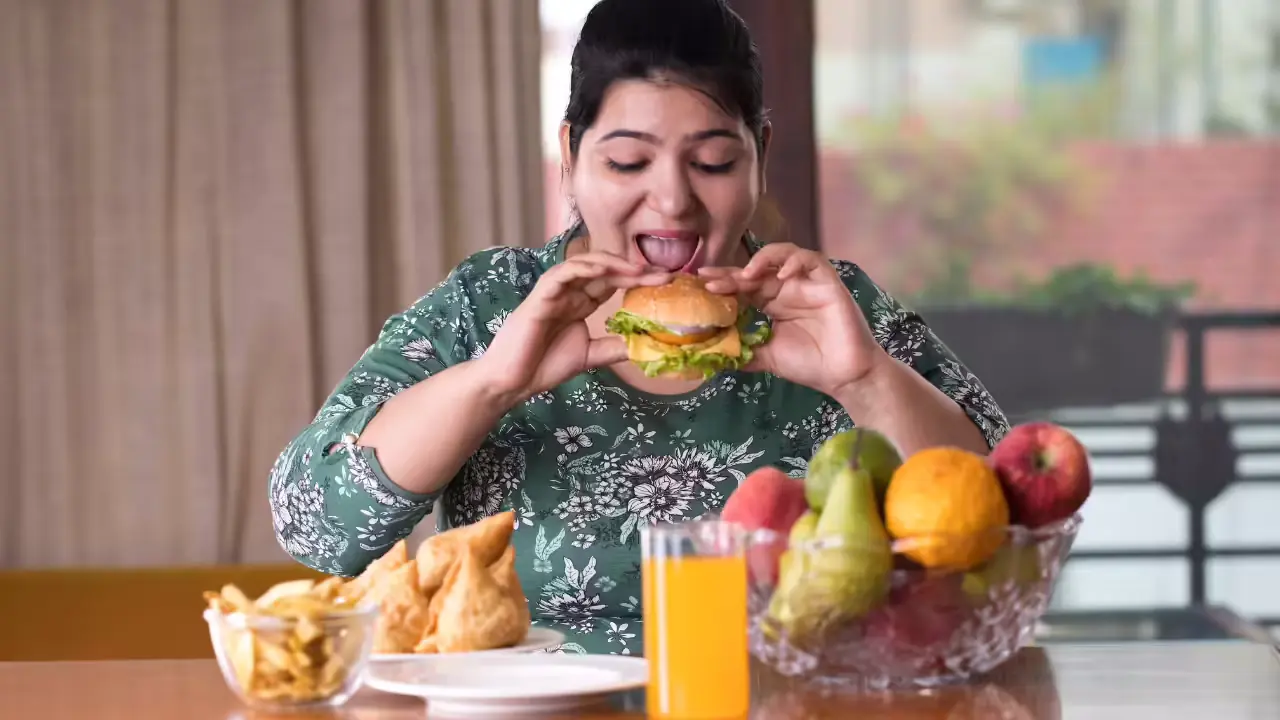
3️⃣ Poorer Blood Sugar Control
Eating quickly can cause rapid spikes in blood sugar. Over time, repeated spikes may contribute to insulin resistance — a key driver of type 2 diabetes.
Slower eating allows for better glucose regulation and improved insulin response.
🧘 Why Slow Eaters May Have the Advantage
People who eat slowly tend to:
-
Consume fewer calories
-
Maintain healthier body weight
-
Have better digestion
-
Experience more stable blood sugar levels
Slow eating also encourages mindful eating — paying attention to hunger cues, chewing thoroughly, and enjoying meals without distractions. These habits are consistently linked to better long-term health outcomes.
🫀 Does This Affect Life Expectancy?
There isn’t a precise number of “extra years” tied directly to eating speed. However:
-
Obesity can reduce life expectancy by several years.
-
Type 2 diabetes and heart disease significantly shorten lifespan.
-
Healthier eating patterns are associated with longer life expectancy.
Since fast eating increases the risk of these conditions, it may indirectly contribute to a shorter lifespan.
In contrast, slower eaters often develop habits that protect heart health, metabolic function, and overall longevity.
🕒 How to Slow Down Your Eating

If you’re naturally a fast eater, small changes can make a big difference:
-
Put your fork down between bites
-
Chew each bite thoroughly
-
Avoid screens while eating
-
Aim for meals to last at least 20 minutes
-
Start with vegetables or protein to increase fullness
🧠 The Bottom Line
There’s no magic number of years attached to eating speed — but the pattern is clear:
Fast eating is linked to higher health risks. Slow eating supports better metabolic health.
In the long run, slowing down at mealtime may be one of the simplest — and most underrated — habits for protecting your health.
Sometimes, living longer isn’t just about what you eat…
It’s about how you eat it.