
Don’t Dismiss These 5 Symptoms — They Could Signal a Future Heart Attack
Heart attacks are often sudden and devastating, but the reality is that your body can give you warning signs months before the event occurs.
Health 26/02/2026 13:32
Meat is a major source of protein, iron, zinc, and essential vitamins such as B12. When consumed in moderation and prepared properly, it can be part of a balanced diet. However, not all meat products are equal in terms of nutritional value and potential health impact.
Certain types of meat raise concerns due to processing methods, fat composition, contamination risk, or cooking practices. The issue is not necessarily the meat itself, but how it is produced, preserved, and consumed.
Here are five types of meat that may warrant extra attention.
![Infographic] Loại thịt phổ biến nhất được tiêu thụ ở các quốc gia trên thế giới](https://photo2.tinhte.vn/data/attachment-files/2021/11/5723275_Cover_thit.png)
Examples:
Sausages
Hot dogs
Bacon
Ham
Deli meats
Processed meats are preserved through smoking, curing, salting, or adding chemical preservatives such as nitrates and nitrites.
Research has linked high consumption of processed meats with increased risk of:
Colorectal cancer
Cardiovascular disease
Hypertension
The concern centers around:
Sodium content
Preservatives that may form potentially harmful compounds when heated
High saturated fat levels
Moderate, occasional consumption is unlikely to cause harm, but regular daily intake may increase long-term risk.
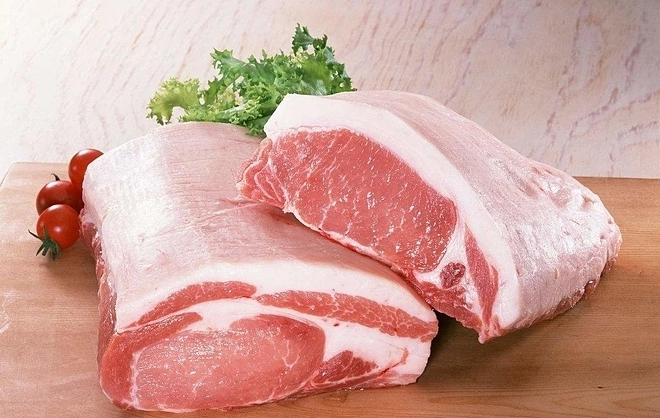
Examples:
Burnt grilled steak
Blackened barbecue meat
Charred beef or pork
When red meat is cooked at very high temperatures — especially over open flames — certain chemical compounds may form, including:
Heterocyclic amines (HCAs)
Polycyclic aromatic hydrocarbons (PAHs)
These compounds have been studied for their potential carcinogenic properties.
It is not red meat alone that raises concern, but:
Frequent high-temperature cooking
Visible charring
Long cooking times
Using moderate heat and avoiding excessive charring can significantly reduce these risks.
Examples:
Ribeye steak
Pork belly
Lamb shoulder
Highly marbled beef
These cuts tend to contain higher levels of saturated fat.
Excessive saturated fat intake has been associated with:
Elevated LDL cholesterol
Increased cardiovascular risk
Weight gain when consumed in excess
However, lean red meat in moderate portions can still provide valuable nutrients such as iron and B vitamins.
Balance and portion control are crucial.
Examples:
Rare ground beef
Raw pork
Undercooked poultry
Raw or improperly cooked meat may carry harmful bacteria, including:
Salmonella
E. coli
Campylobacter
Ground meat is particularly concerning because bacteria can be distributed throughout the product.
Foodborne illnesses may cause:
Severe diarrhea
Vomiting
Dehydration
In rare cases, kidney complications
Proper cooking temperatures are essential to reduce risk.
.jpg)
Examples:
Meat from unknown suppliers
Improperly stored meat
Illegally sold wildlife meat
Meat exposed to unsanitary conditions
Meat safety heavily depends on:
Storage temperature
Hygiene standards
Veterinary inspection
Handling practices
Poor-quality meat may carry contamination risks or spoilage toxins.
Consumers should purchase meat from reputable suppliers who follow proper food safety guidelines.
No single food automatically determines health outcomes. Risk depends on:
Frequency of consumption
Portion size
Preparation method
Overall diet pattern
Individual health status
For example:
Eating processed meat occasionally is different from consuming it daily.
Lean grilled chicken is different from deep-fried, heavily processed meat products.
Context matters.
To reduce potential risks:
Choose lean cuts when possible.
Limit processed meats.
Avoid excessive charring during cooking.
Use lower-temperature cooking methods (baking, steaming, stewing).
Ensure proper food storage and handling.
Balance meat intake with vegetables, whole grains, and fiber-rich foods.
Dietary diversity is key.
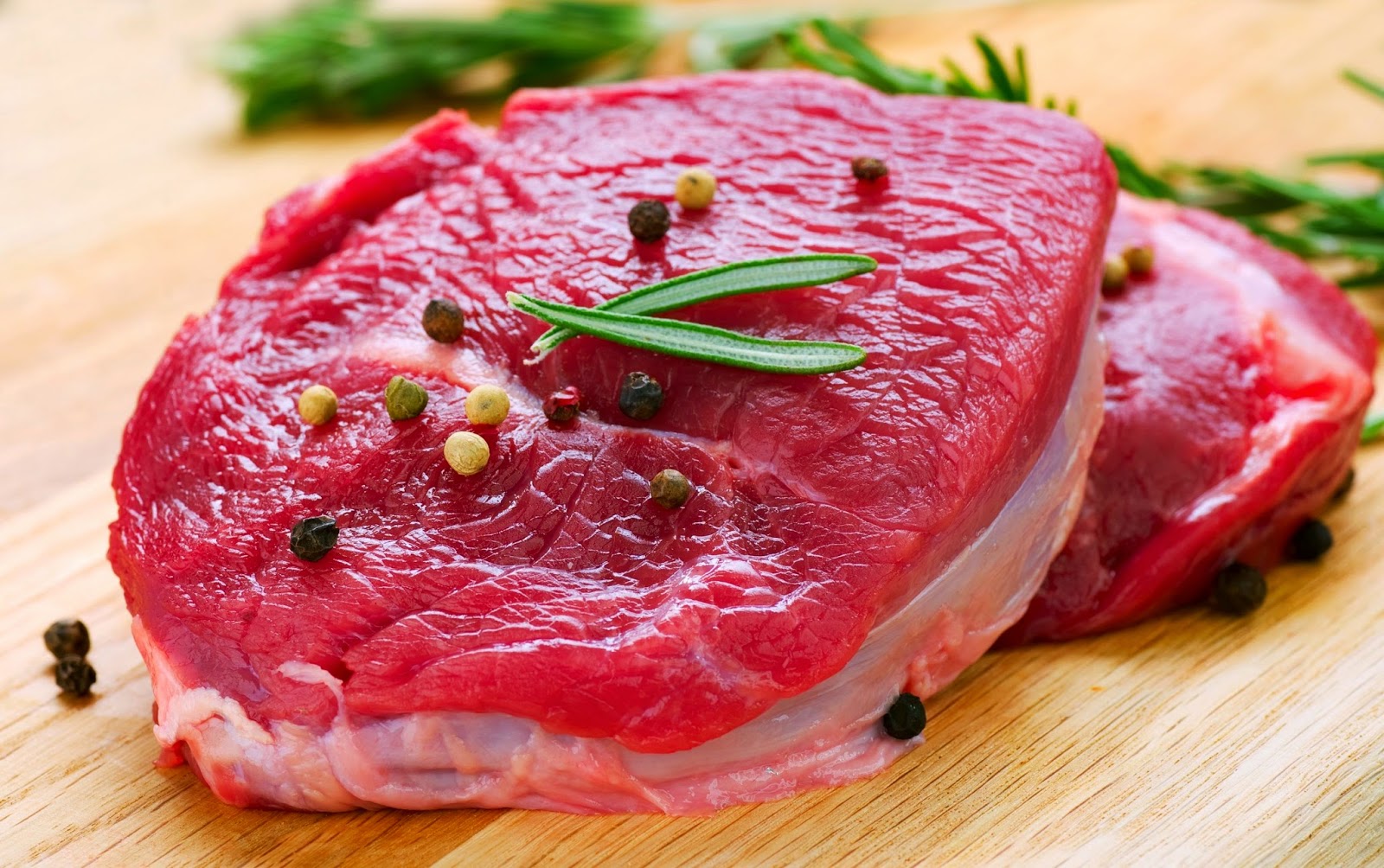
Individuals with the following conditions may need to monitor meat intake more closely:
Cardiovascular disease
High cholesterol
Hypertension
Diabetes
Family history of colorectal cancer
Healthcare providers may recommend adjusting meat consumption accordingly.
Meat itself is not inherently harmful. It provides high-quality protein and essential nutrients. However, certain types — particularly processed, heavily charred, fatty, undercooked, or poorly sourced meat — may carry higher health risks when consumed frequently.
The goal is not elimination, but informed moderation.
Choosing quality sources, using safe cooking methods, and maintaining a balanced diet can allow meat to remain part of a healthy lifestyle without unnecessary risk.
Heart attacks are often sudden and devastating, but the reality is that your body can give you warning signs months before the event occurs.
Kidney dam.age before age 30: Doctors highlight two common habits that may raise the risk
Doctors highlight 5 after-meal symptoms that may be associated with late-stage stomach can.cer

7 surprising uses and possible health benefits of corn silk

How your body may respond to a long-term habit of eating sweet potatoes in the morning
The X-ray That Exposed a Young Woman’s Chr.onic Constipation
4 everyday habits that may be weakening your immune system

One Person Boils Water, Whole Family Gets Cancer? 3 Water-Boiling Habits That “Poison” Your Family Without You Knowing

The possible health effects of eating one clove of garlic each day

Abandoned Baby Macaque Punch At Ichikawa Zoo Wins Hearts Worldwide After Viral

4 Unexpected Facial Clues That May Point to Underlying Health Problems

Sinus pressure driving you crazy? Try this easy method right now.
Before you try med.icine, add these 7 foods to your diet.

Carrot juice is a simple way to nourish your skin and support visual health
6 conditions that require caution when consuming eggs

The Surprising First Sign the Body May Give at the End of Life

Don’t ignore this — signs your lump needs urgent medical attention.

A Guide to Foods That Should Not Be Stored in the Refrigerator

Why does eating sometimes trigger the need to use the bathroom?
Heart attacks are often sudden and devastating, but the reality is that your body can give you warning signs months before the event occurs.
Kidney dam.age before age 30: Doctors highlight two common habits that may raise the risk
Doctors highlight 5 after-meal symptoms that may be associated with late-stage stomach can.cer
7 surprising uses and possible health benefits of corn silk

Your refrigerator has a tiny hidden button that could save you a surprising amount on your electricity bill

Your Brain Uses About 20% of Your Body’s Total Energy — Even at Rest
How your body may respond to a long-term habit of eating sweet potatoes in the morning
The X-ray That Exposed a Young Woman’s Chr.onic Constipation
4 everyday habits that may be weakening your immune system

Everyone deserves the chance to experience love, no matter what stage of life they are in.
One Person Boils Water, Whole Family Gets Cancer? 3 Water-Boiling Habits That “Poison” Your Family Without You Knowing
The possible health effects of eating one clove of garlic each day
Abandoned Baby Macaque Punch At Ichikawa Zoo Wins Hearts Worldwide After Viral
4 Unexpected Facial Clues That May Point to Underlying Health Problems

Stop boiling chicken with just salt and water.

How to fix moldy, peeling, and flaking wall paint.
Sinus pressure driving you crazy? Try this easy method right now.
Before you try med.icine, add these 7 foods to your diet.

What men are really attracted to — and it’s not what you think. 👀