
Lumps and Cysts: Signs, Causes, and Essential Care for Your Health
Lumps and cysts are common concerns that can appear on various parts of the body. Most people will experience at least one lump in their lifetime — but not all are the same. Some are harmless and easy to treat, while others may require medical attention. Understanding the difference between benign bumps and warning signs that need evaluation is key to protecting your health.
This guide explains what lumps and cysts are, what causes them, how to tell if they might be serious, and what you should do when you notice one.
What Are Lumps and Cysts?
A lump refers to any swelling or bump that can be felt under the skin. A cyst is a sac-like pocket filled with fluid, air, or semi-solid material. Cysts often feel smooth, round, and movable. They can form in many areas, including the skin, breasts, ovaries, and other internal organs.
Both lumps and cysts may appear suddenly or develop slowly over time. While many are harmless, some require evaluation to rule out infection, inflammation, or, in rare cases, cancer.
Common Causes of Lumps and Cysts
There are many reasons why lumps or cysts develop. Common causes include:
1. Blocked Glands or Hair Follicles
Sebaceous cysts form when oil glands become blocked. These are usually non-cancerous and slow growing.
2. Infections
Localized infections can cause painful lumps filled with pus (abscesses). These may require antibiotics or drainage.
3. Fatty Tissue Build-Up
Lipomas are soft, fatty lumps that form under the skin. They are typically benign, painless, and slow to grow.
4. Hormonal Fluctuations
Women may develop cysts in the breasts or ovaries related to hormonal changes during the menstrual cycle.
5. Trauma or Injury
Bruises and swelling from injuries can form temporary lumps as the body heals.
Warning Signs You Shouldn’t Ignore
Most lumps and cysts are harmless, but there are certain signs that warrant medical evaluation:
-
Rapid growth
-
Pain or tenderness that gets worse
-
Hard, fixed lump that doesn’t move
-
Changes in skin color or texture over the lump
-
Unexplained lumps in lymph node areas
-
Recurring cysts or lumps that return after treatment
If a lump shows any of these characteristics, especially if it continues to grow or causes discomfort, it’s important to consult a healthcare provider.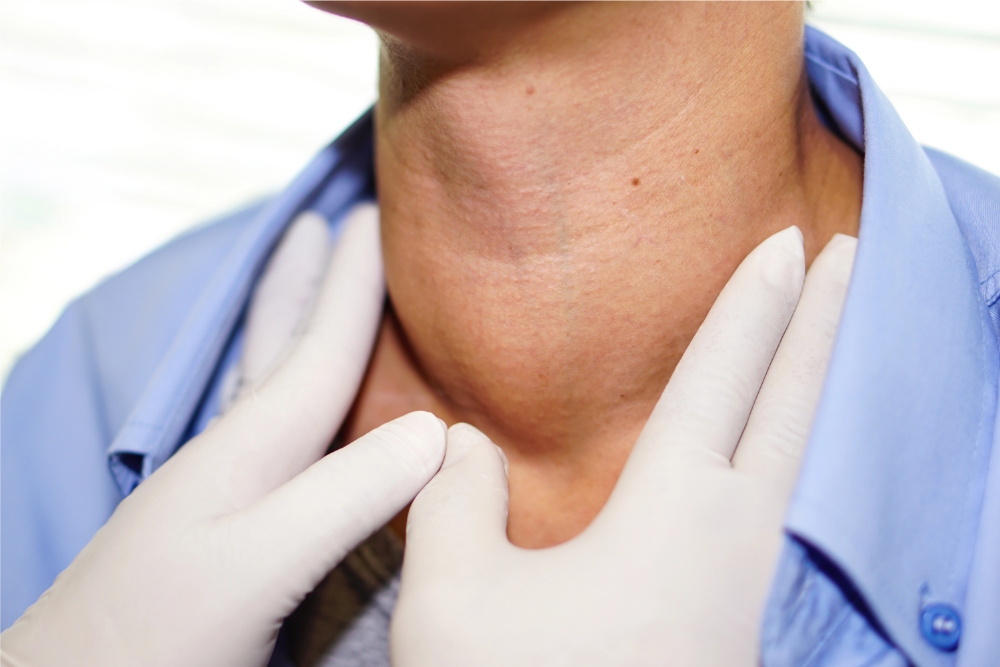
How Are Lumps and Cysts Diagnosed?
When you see a doctor about a lump, they may:
-
Take a detailed medical history
-
Perform a physical exam
-
Order imaging tests (like ultrasound or MRI)
-
Recommend biopsy if needed
These steps help determine whether the lump is benign, needs treatment, or requires monitoring over time.
Treatment and Care Options
Care for lumps and cysts varies depending on the cause:
Harmless Lumps or Cysts
-
Observation and monitoring
-
Warm compresses
-
Gentle massage
Infected or Painful Lumps
-
Antibiotics
-
Professional drainage
-
Proper wound care
Persistent or Suspicious Lumps
-
Surgical removal
-
Further testing to rule out malignancy
Even if a lump is harmless, some people choose to have it removed for comfort, cosmetic reasons, or peace of mind.
When to Seek Immediate Help
Seek emergency care if:
-
The lump is growing rapidly
-
You develop high fever
-
The lump becomes extremely painful or red
-
You have unexplained weight loss along with new lumps
-
You experience trouble breathing, swallowing, or moving the affected area
Final Thought
Lumps and cysts are common and are often harmless, but they should never be ignored. Knowing how to recognize concerning signs and when to see a doctor can make all the difference. Early evaluation helps ensure any serious conditions are identified promptly and treated effectively.
Taking action early — especially if a lump changes or causes symptoms — is one of the best ways to protect your long-term health.