Should People with Thyroid Problems Avoid Soy? And Can Supplements “Accelerate” Thyroid Cancer?
The image makes two strong claims:
-
People with thyroid issues should avoid soy.
-
Two supplements may accelerate thyroid cancer.
Those are serious statements. Let’s examine what current scientific evidence actually supports — without fear-driven exaggeration.
First: How the Thyroid Works


The thyroid gland produces hormones (T3 and T4) that regulate:
-
Metabolism
-
Heart rate
-
Energy levels
-
Temperature regulation
Thyroid disorders include:
-
Hypothyroidism (underactive)
-
Hyperthyroidism (overactive)
-
Thyroid nodules
-
Thyroid cancer
Diet can influence thyroid function — but usually indirectly and modestly.
Part 1: Should People with Thyroid Problems Avoid Soy?
The Concern
Soy contains compounds called isoflavones, which are classified as phytoestrogens. In laboratory settings, these compounds can:
-
Interfere mildly with thyroid peroxidase (an enzyme involved in thyroid hormone production)
-
Affect iodine utilization in extreme deficiency
This has led to concern that soy may worsen hypothyroidism.
What Research Actually Shows
For people with adequate iodine intake:
-
Moderate soy consumption does not cause hypothyroidism.
-
Soy does not cause thyroid cancer.
-
Soy does not significantly alter thyroid hormone levels in healthy individuals.
However:
If someone is taking levothyroxine (thyroid hormone replacement), soy can interfere with medication absorption if consumed at the same time.
Practical rule:
Take thyroid medication on an empty stomach.
Wait 30–60 minutes before eating soy-containing foods.
That’s about absorption — not cancer acceleration.
Who Should Be More Careful?
People with:
-
Iodine deficiency
-
Untreated hypothyroidism
-
Infants on soy-based formula (special clinical situations)
For most adults with managed thyroid disease, soy in normal dietary amounts is considered safe.
Avoiding soy entirely is not universally recommended.
Part 2: Can Supplements “Accelerate” Thyroid Cancer?
The phrase “accelerate thyroid cancer” is highly dramatic. There is no widely accepted evidence that common supplements directly accelerate thyroid cancer progression in otherwise healthy individuals.
However, there are two areas worth clarifying.
1. Excess Iodine Supplementation


The thyroid requires iodine to produce hormones.
But excessive iodine intake can:
-
Trigger hyperthyroidism
-
Worsen autoimmune thyroid disease
-
Disrupt normal thyroid regulation
High-dose iodine supplements (especially kelp-based products) may cause thyroid dysfunction in susceptible individuals.
Important:
This is about thyroid hormone imbalance — not proven cancer acceleration.
2. Unregulated “Thyroid Boosting” Supplements
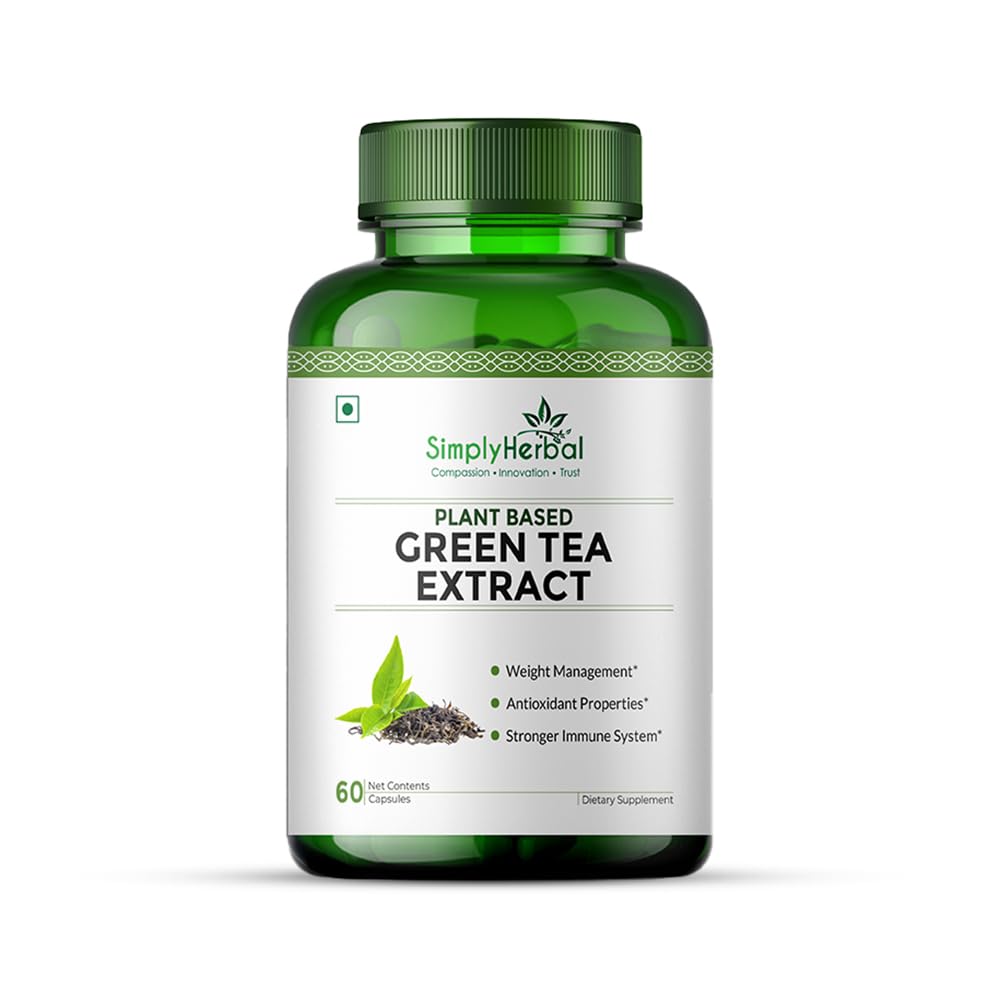


Some over-the-counter supplements marketed as “thyroid boosters” may contain:
-
Excess iodine
-
Undisclosed thyroid hormones
-
Herbal stimulants
These can disrupt hormone balance and potentially stress the gland.
But there is no strong clinical evidence that standard vitamins (like vitamin D, selenium, or B-complex) accelerate thyroid cancer.
What About Selenium?
Selenium is sometimes discussed in thyroid health because it plays a role in hormone metabolism.
At appropriate doses:
-
It may support autoimmune thyroid conditions.
At excessive doses: -
It can be toxic.
Again, toxicity is different from accelerating cancer.
Thyroid Cancer Specifically

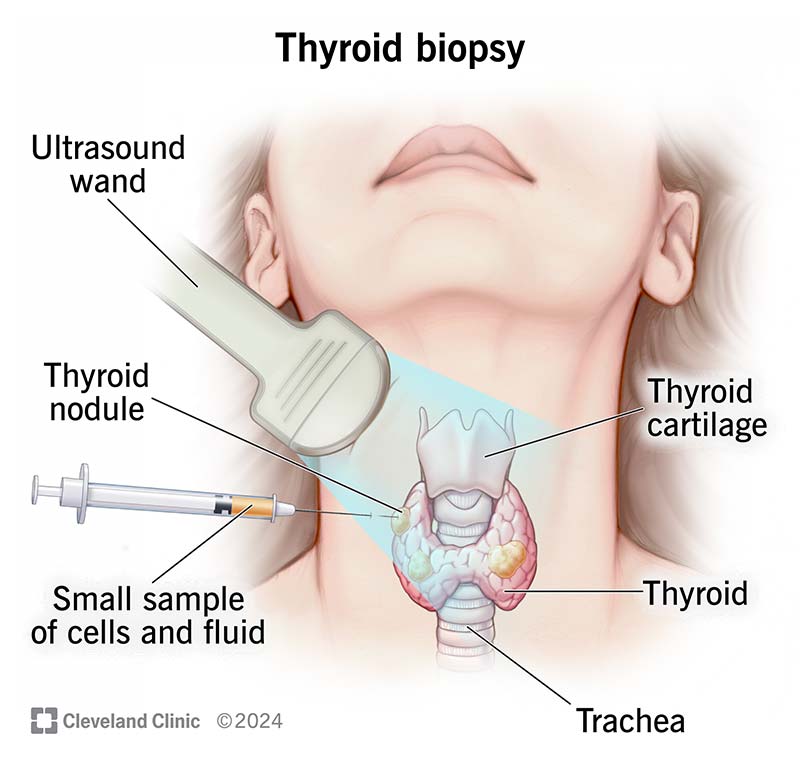
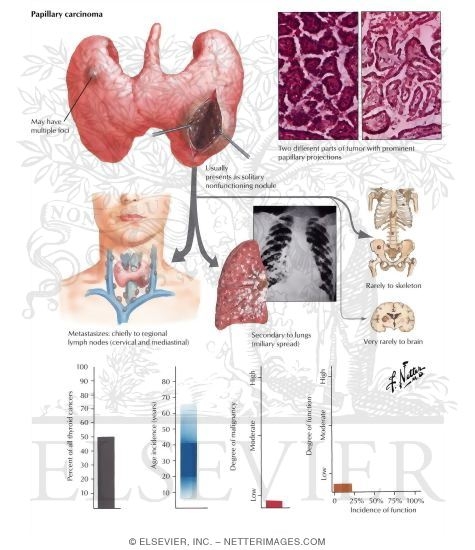
Most thyroid cancers:
-
Grow slowly
-
Have high survival rates
-
Are not driven by diet alone
Established risk factors include:
-
Radiation exposure
-
Genetic mutations
-
Family history
Dietary supplements are not recognized as primary accelerators of thyroid cancer in clinical guidelines.
Why Headlines Like This Spread
They combine:
-
A common food (soy)
-
A common health condition (thyroid disorder)
-
A serious disease (cancer)
That combination triggers fear.
But scientific medicine relies on:
-
Controlled studies
-
Long-term outcome data
-
Biological plausibility
Currently, there is no strong evidence that moderate soy intake or typical vitamin supplementation accelerates thyroid cancer.
Practical Guidance
If someone has thyroid disease:
-
Maintain adequate iodine intake — not excessive.
-
Take levothyroxine away from soy, calcium, and iron supplements.
-
Avoid unregulated “thyroid boosting” products.
-
Follow endocrinologist guidance.
-
Monitor thyroid function tests regularly.
Dietary balance matters more than single ingredients.
Final Takeaway
Should people with thyroid problems avoid soy completely?
For most individuals: No.
Should people fear common supplements accelerating thyroid cancer?
There is no strong evidence supporting that claim.
The real risks come from:
-
High-dose iodine misuse
-
Unregulated supplement products
-
Ignoring medical monitoring
When it comes to thyroid health, consistency and medical supervision matter far more than dramatic dietary restrictions.
Stay informed.
Avoid extreme claims.
Rely on evidence — not viral warnings.