5 Early Signs of Thyroid Cancer You Should Not Ignore
The image highlights the neck area with arrows pointing to a small swelling — suggesting thyroid cancer. While this type of headline is designed to grab attention, thyroid cancer is often highly treatable when detected early. The key is awareness without panic.
Let’s go through the medically recognized early signs in a clear, evidence-based way.
Understanding the Thyroid First


The thyroid is a butterfly-shaped gland located at the front of the neck, just below the Adam’s apple. It regulates metabolism, heart rate, body temperature, and energy levels through hormone production.
Thyroid cancer develops when abnormal cells form in this gland. Unlike many other cancers, most thyroid cancers grow slowly and have high survival rates when treated appropriately.
1. A Painless Lump in the Neck

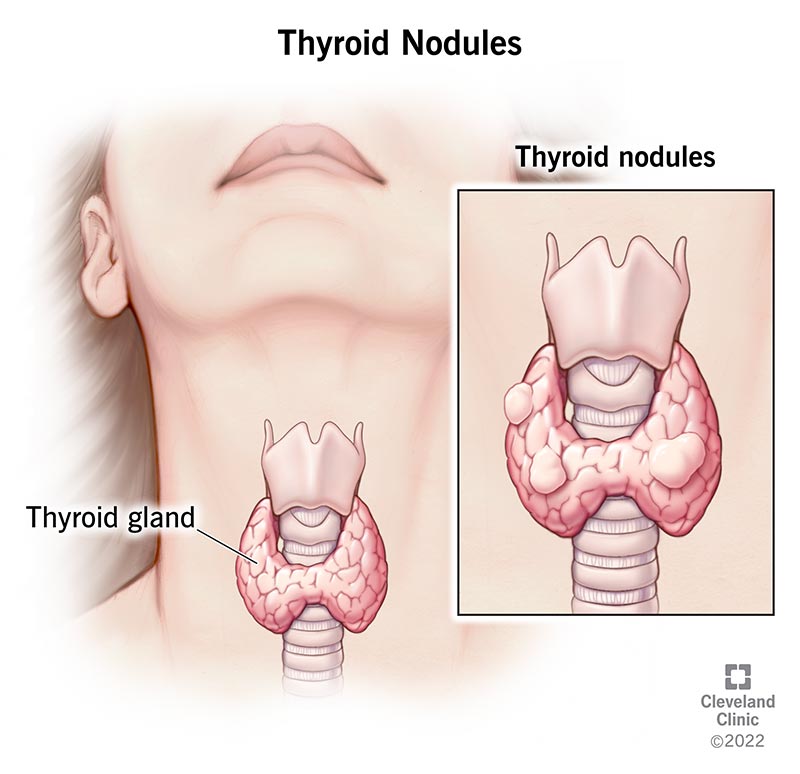

The most common early sign is a small lump or nodule in the front of the neck.
Important details:
-
Usually painless
-
May move when swallowing
-
Often discovered accidentally
However, most thyroid nodules are benign, not cancerous. In fact, thyroid nodules are extremely common, especially in women and older adults.
What matters is:
-
Rapid growth
-
Firm, fixed texture
-
Associated lymph node enlargement
Medical imaging (ultrasound) is needed to assess risk properly.
2. Persistent Hoarseness or Voice Changes


The thyroid sits near the recurrent laryngeal nerve, which controls vocal cords.
If a tumor presses on this nerve, symptoms may include:
-
Hoarseness
-
Voice weakening
-
Persistent voice changes lasting more than 2–3 weeks
Temporary hoarseness from infection is common. Persistent, unexplained changes require evaluation.
3. Difficulty Swallowing or Breathing


As a thyroid mass enlarges, it can compress nearby structures.
Possible signs:
-
Feeling like something is stuck in the throat
-
Trouble swallowing solid foods
-
Shortness of breath (rare in early stages)
-
Pressure sensation in the neck
These symptoms usually appear when the mass is larger.
4. Swollen Lymph Nodes in the Neck


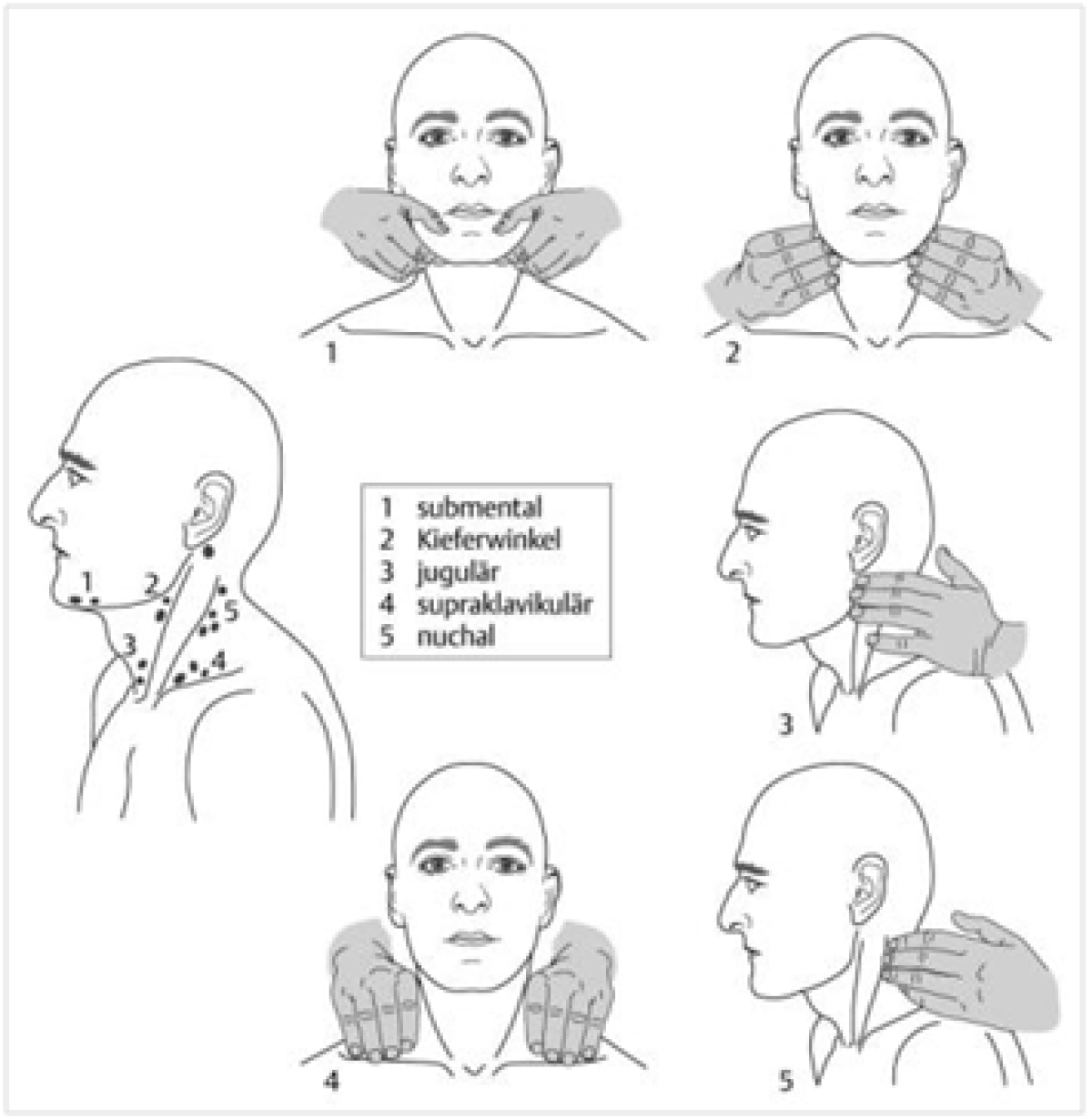
Thyroid cancer can spread to nearby lymph nodes early, especially papillary thyroid carcinoma (the most common type).
Warning signs include:
-
Persistent swollen lymph nodes
-
Firm, non-tender nodes
-
Enlargement lasting more than a few weeks
Swollen lymph nodes from infections are common and usually painful. Persistent painless swelling is more concerning.
5. Neck Pain Radiating to the Ears


Although less common, some individuals experience:
-
Dull neck pain
-
Pain radiating to the jaw or ears
This symptom alone does not confirm cancer, but when combined with a neck mass, it warrants evaluation.
What the Image Oversimplifies
The phrase “early signs you can easily notice” can be misleading.
Many thyroid cancers:
-
Cause no symptoms initially
-
Are discovered incidentally during imaging
-
Progress slowly
Additionally, symptoms like fatigue, weight changes, and mood shifts are usually related to thyroid hormone imbalance — not necessarily cancer.
Thyroid function tests (TSH, T3, T4) often remain normal in thyroid cancer cases.
Risk Factors to Be Aware Of
Major risk factors include:
-
Family history of thyroid cancer
-
Radiation exposure to the head/neck (especially in childhood)
-
Certain genetic syndromes
-
Female sex (higher incidence)
Lifestyle factors like diet or stress are not primary causes of thyroid cancer.
When to See a Doctor
Seek evaluation if:
-
A neck lump persists beyond 2–3 weeks
-
Hoarseness lasts longer than expected
-
Swollen lymph nodes do not resolve
-
Symptoms worsen over time
Doctors typically perform:
-
Neck ultrasound
-
Fine-needle aspiration biopsy (if needed)
-
Imaging studies
Early detection significantly improves outcomes.
Prognosis: A Reassuring Perspective
Thyroid cancer, especially papillary type, has:
-
High survival rates
-
Effective treatment options
-
Excellent long-term outcomes when managed properly
Not every neck lump is dangerous.
But persistent changes should not be ignored.
Final Takeaway
The goal is awareness, not anxiety.
Most neck lumps are benign.
Most voice changes are temporary.
Most lymph node swelling is infection-related.
However, persistent or progressive symptoms deserve professional evaluation.
In health, clarity comes from medical assessment — not from alarming headlines.
Pay attention to the body.
Seek proper diagnosis.
Act early, but stay calm.